

Quick Overview
Learn about clitoris anatomy, structure, functions, common problems, symptoms, diagnosis, laboratory tests, treatment, and prevention.
- CategoryParts of Body
- Read time7 min
- UpdatedSep 2026
Table of Contents
Clitoris: Anatomy, Functions & Common Conditions
The clitoris is a highly sensitive erectile organ of the external female genitalia that plays a central role in sexual sensation and contains extensive erectile tissue and sensory nerve endings.
01 What Is the Clitoris?
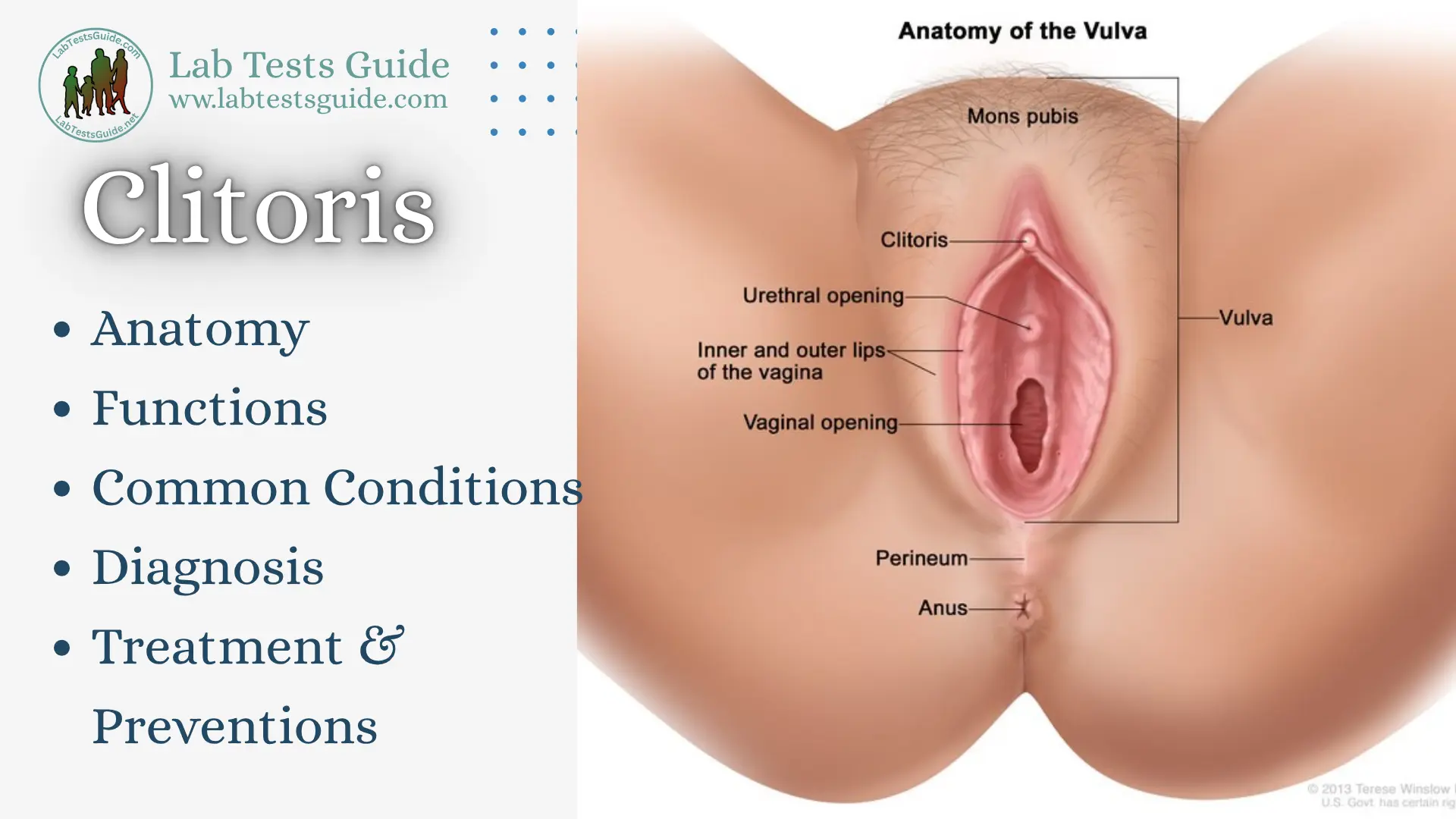
The clitoris is a highly sensitive erectile organ of the external female genitalia. It contains a dense concentration of sensory nerve endings and erectile tissue and plays an important role in sexual sensation and arousal.
The clitoris has both visible and internal structures, including the glans, body, crura, and associated erectile tissues. Most of the clitoris is located internally, with the glans forming the visible portion at the front of the vulva.
02 Types and Functions of the Clitoris
The clitoris is primarily involved in sexual sensation and arousal. Its extensive network of sensory nerves and erectile tissue responds to stimulation, while increased blood flow during arousal causes the erectile tissues to become engorged.
03 Common Clitoral Problems
04 Laboratory Tests and Diagnosis
Most clitoral and vulvar problems are evaluated through the patient’s symptoms and clinical examination. Laboratory testing is usually reserved for selected cases, particularly when infection, inflammation, recurrent symptoms, or another underlying condition is suspected.
05 Clitoral Symptoms and When to Seek Care
Seek medical evaluation for persistent or severe clitoral pain, significant swelling, unexplained bleeding, sores or skin changes, fever, unusual discharge, recurrent symptoms, or symptoms that do not improve with appropriate self-care. Prompt assessment is especially important when symptoms are accompanied by severe pain or signs of significant infection.
06 How Are Clitoral Problems Diagnosed?
Clitoral problems are usually evaluated through the patient’s symptoms, medical history, and examination of the clitoris, vulva, and surrounding tissues. Laboratory tests are not routinely required for uncomplicated irritation or localized symptoms.
07 Treatment and Prevention
- Avoiding irritating soaps, fragrances, and personal-care products may help reduce local irritation.
- Keeping the vulvar area clean and dry may support comfort and reduce irritation.
- Antifungal, antibacterial, or other medicines may be recommended when a specific infection or condition is diagnosed.
- Persistent or recurrent symptoms may require medical or specialist evaluation.
- Avoid known irritants and excessive friction involving the vulvar area.
- Use gentle, unscented products around the external genital area when appropriate.
- Wear breathable underwear and change out of damp clothing when possible.
- Follow recommended treatment and maintain appropriate vulvar hygiene as advised by a healthcare professional.
08 Key Takeaways & Related Laboratory Tests
The clitoris is a highly sensitive erectile organ of the external female genitalia that plays an important role in sexual sensation and arousal. Most clitoral problems are evaluated clinically, while laboratory testing may be useful in selected cases involving suspected infection, significant inflammation, persistent symptoms, or recurrent problems.
Related Laboratory Tests
References and Sources
- Cleveland Clinic. Clitoris: Anatomy, Location, Purpose & Conditions. Updated January 26, 2026. Cleveland Clinic – (accessed on September 04, 2026)
- Kenhub. Clitoris: Location, Structure, Diagram. Reviewed November 03, 2023. Kenhub – (accessed on September 04, 2026)
- OpenStax. Human Reproductive Anatomy and Gametogenesis. Biology, Section 43.3. OpenStax – (accessed on September 04, 2026)
- American College of Obstetricians and Gynecologists (ACOG). Disorders of the Vulva: Common Causes of Vulvar Pain, Burning, and Itching. ACOG – (accessed on September 04, 2026)
- Centers for Disease Control and Prevention (CDC). Getting Tested for STIs. Updated March 17, 2026. CDC – (accessed on September 04, 2026)
- Royal College of Obstetricians and Gynaecologists (RCOG). Skin Conditions of the Vulva. RCOG – (accessed on September 04, 2026)
- DermNet. Genital Skin Problems. DermNet – (accessed on September 04, 2026)
- Mayo Clinic. Vaginitis: Diagnosis and Treatment. Mayo Clinic – (accessed on September 04, 2026)
- MedlinePlus. Vaginitis. MedlinePlus – (accessed on September 04, 2026)
- Cambridge University Hospitals NHS Foundation Trust. Care of the Vulval Skin. Cambridge University Hospitals NHS – (accessed on September 04, 2026)
- PubMed. O’Connell HE, Sanjeevan KV, Hutson JM. Anatomy of the clitoris. Journal of Urology. 2005;173(4):1183-1188. DOI: 10.1097/01.ju.0000156516.94442.33. PubMed – (accessed on September 04, 2026)
Related
Cervix
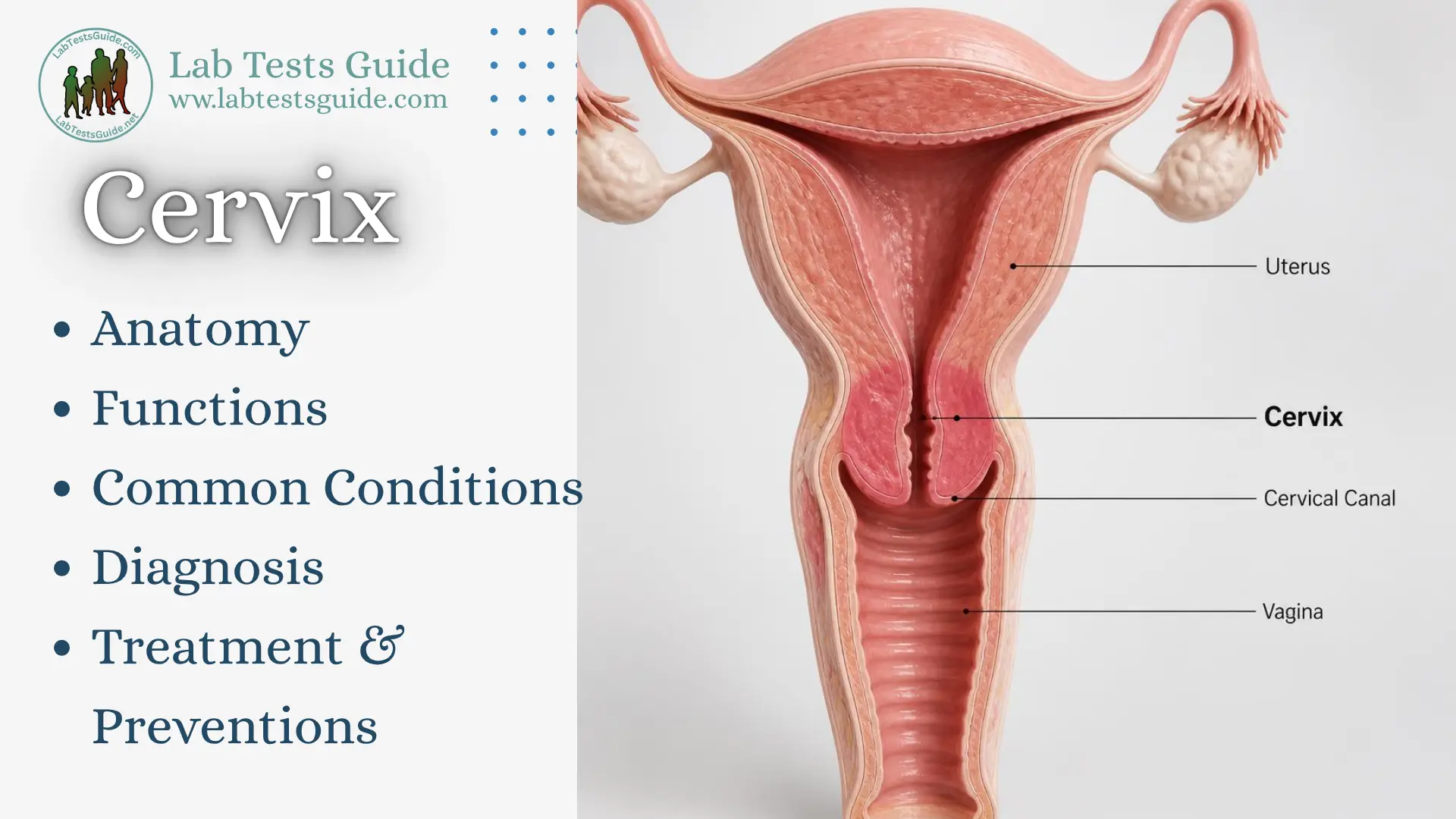
The cervix is the lower part of the uterus that connects to the vagina and plays important roles in menstruation, pregnancy, childbirth, and reproductive…
Bulbourethral Gland
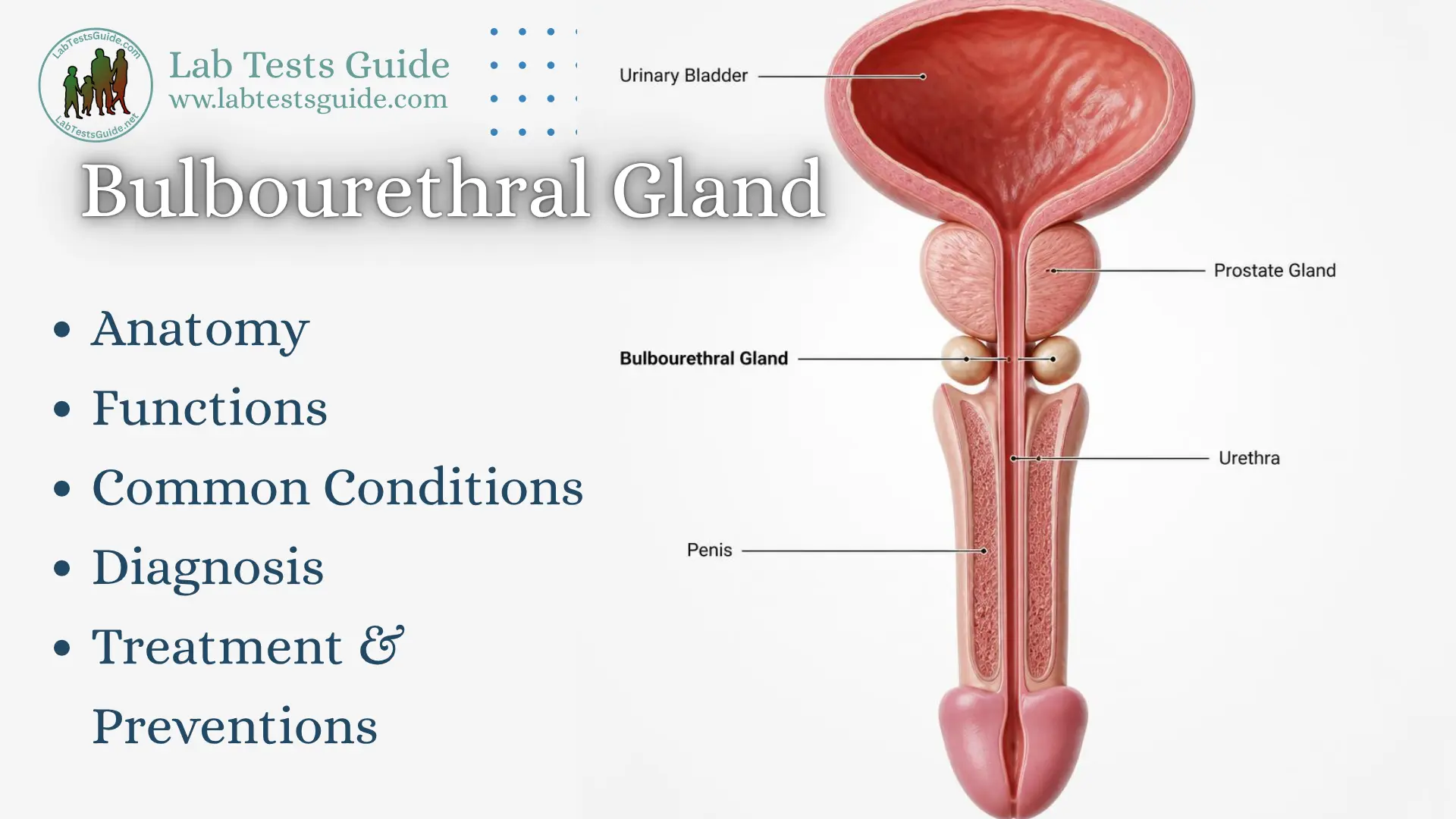
ANATOMY & CLINICAL LABORATORY GUIDE Bulbourethral Gland: Anatomy, Functions & Common Conditions The bulbourethral glands are small paired glands in the male reproductive system…
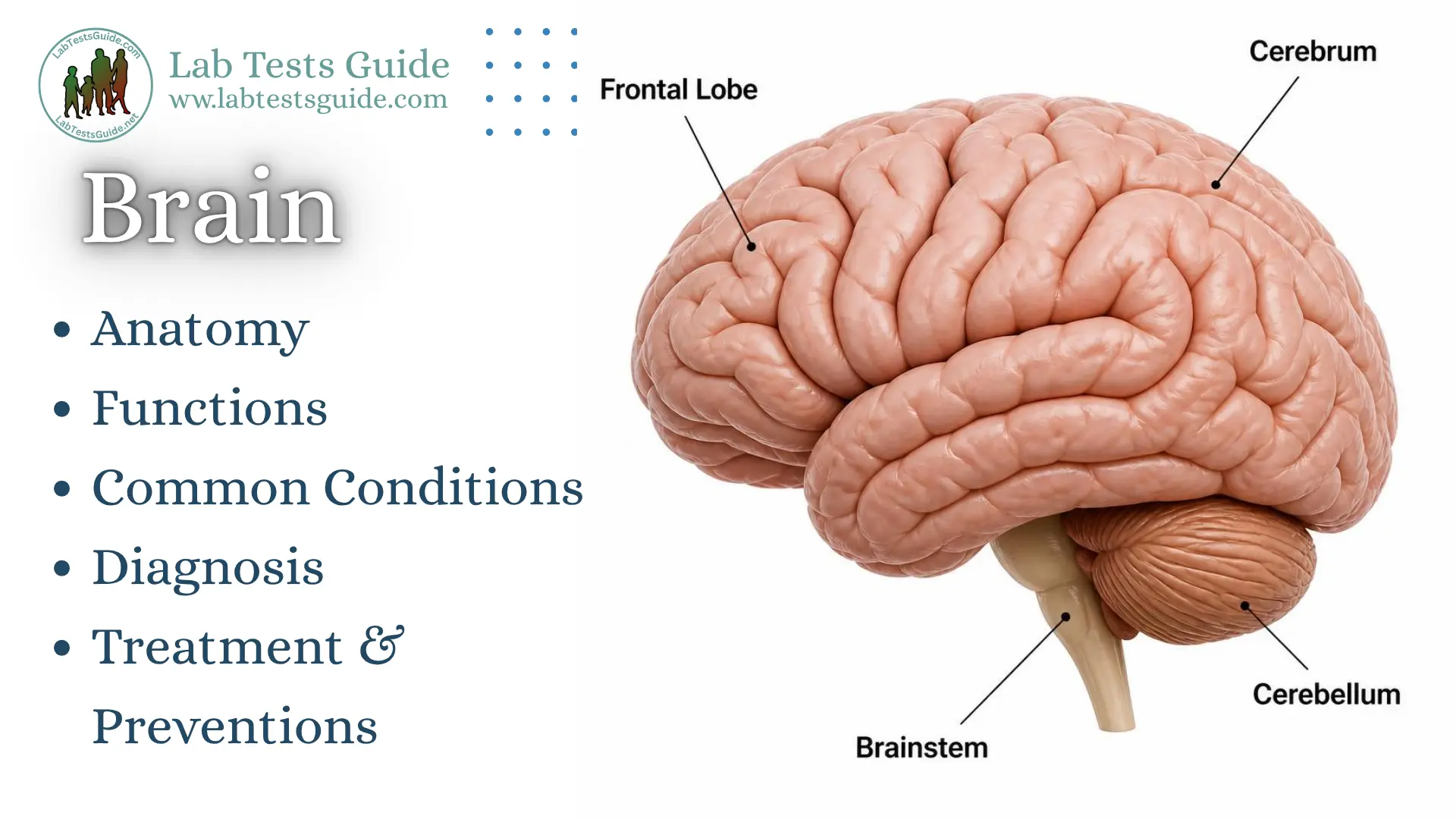
Brain
Learn about brain anatomy, major regions, functions, common brain problems, symptoms, diagnosis, laboratory tests, treatment, and prevention.
Discussion 0