
Dry Eyes
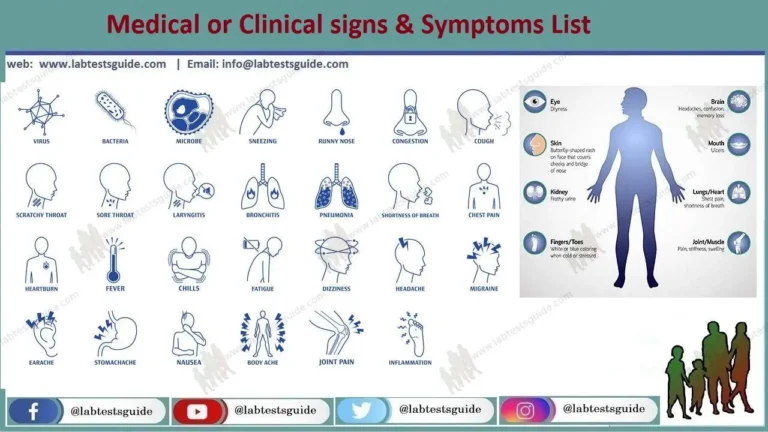
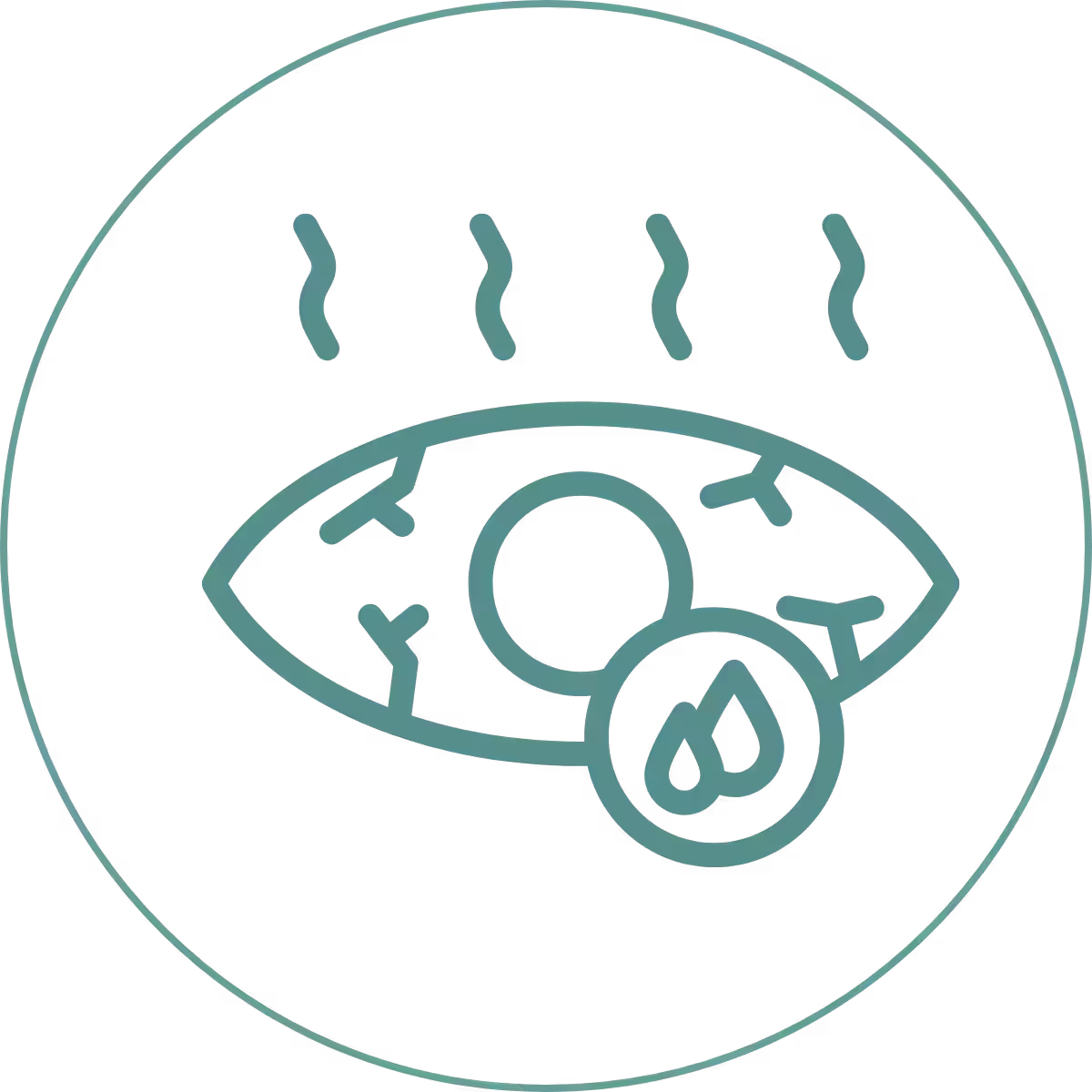
Dry eyes occur when the eyes do not produce enough tears or when tears evaporate too quickly, leading to irritation and discomfort. It is commonly associated with prolonged screen use, aging, environmental conditions, or underlying medical issues.
🚨 Seek Urgent Care
Seek immediate medical attention if you have:
- Severe eye pain or sudden vision loss.
- Eye redness with discharge or swelling.
- Light sensitivity with worsening symptoms.
- Injury or chemical exposure to the eye.
📞 Consult an Eye Specialist
See a doctor if:
- Symptoms persist despite using lubricating drops.
- Eyes feel gritty or burning frequently.
- Vision becomes blurry intermittently.
- You rely heavily on contact lenses.
Common Symptoms & Causes
| Symptom | Possible Cause |
|---|---|
| Burning or stinging eyes | Dry eye syndrome |
| Gritty sensation | Reduced tear production |
| Blurred vision | Tear film instability |
| Watery eyes | Reflex tearing due to dryness |
| Eye fatigue | Digital eye strain |
Causes by Category
Dry air: Air conditioning or heating reduces moisture.
Wind and smoke: Increase tear evaporation.
Screen use: Reduced blinking during device use.
Sjögren’s syndrome: Autoimmune disorder affecting tear glands.
Aging: Tear production decreases with age.
Blepharitis: Eyelid inflammation affecting tear quality.
Contact lenses: Can reduce oxygen and moisture.
Medications: Antihistamines and antidepressants may cause dryness.
Dehydration: Low fluid levels reduce tear production.
Diagnostic Procedures
Schirmer Test
Measures tear production levels.
Tear Film Analysis
Evaluates tear quality and stability.
Eye Examination
Checks cornea, eyelids, and tear film health.
Meibomian Gland Evaluation
Assesses oil glands responsible for tear stability.