
Diarrhoea and Vomiting
Diarrhoea and vomiting commonly occur together and are usually caused by gastroenteritis, food poisoning, or viral infections. Although symptoms often improve within a few days, severe fluid loss can lead to dehydration and may require urgent medical attention.

🚨 Seek Emergency Medical Care
Get urgent medical help if you have:
- Signs of severe dehydration.
- Blood in vomit or stools.
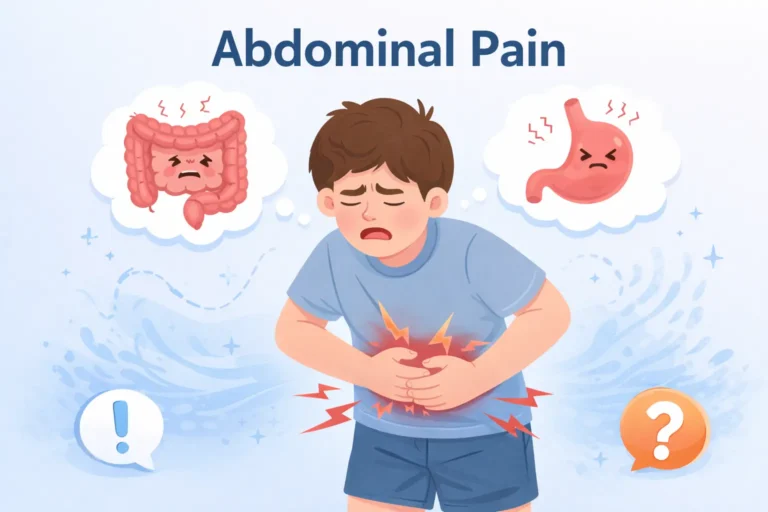
- Severe abdominal pain.
- Confusion, fainting, or extreme weakness.
- Persistent vomiting preventing fluid intake.
📞 Contact a Doctor
Medical advice is recommended if:
- Symptoms last longer than 48–72 hours.
- You develop a high fever.
- Diarrhoea occurs after foreign travel.
- You have significant weight loss.
- You have underlying medical conditions.
Common Symptoms & Causes
| Symptoms | Possible Cause |
|---|---|
| Sudden diarrhoea and vomiting | Viral gastroenteritis |
| Vomiting after eating | Food poisoning |
| Fever and abdominal cramps | Bacterial infection |
| Bloody diarrhoea | Dysentery or bowel infection |
| Excessive thirst and dizziness | Dehydration |
Causes by Category
Viral gastroenteritis: Common cause of stomach infections.
Norovirus: Highly contagious viral illness.
Bacterial infections: Salmonella, Campylobacter, and E. coli.
Food poisoning: Contaminated food or water.
Food intolerance: Difficulty digesting certain foods.
Stomach infections: Inflammation of the digestive tract.
Medications: Certain antibiotics may cause diarrhoea.
Travel-related illness: Contaminated food or water while traveling.
Inflammatory bowel disease: Chronic digestive disorders.
Diagnostic Procedures
Stool Culture
Identifies bacterial or parasitic infections.
Electrolyte Tests
Evaluates fluid and electrolyte imbalance.
Complete Blood Count
Detects infection and inflammation.
Stool Analysis
Examines stool for blood, parasites, and infection.