

Non-surgical cosmetic treatments have become a routine part of aesthetic medicine. People can now address wrinkles, uneven skin tone, facial volume loss, scars, and certain contour concerns without an operation or a long surgical recovery. That convenience is appealing, but the word “non-surgical” can give the wrong impression. Injectable and energy-based treatments still affect living tissue, and the result depends heavily on the patient’s health, anatomy, treatment choice, and provider.
The numbers show how common these procedures have become. In its 2025 release, the American Society of Plastic Surgeons reported more than 28 million minimally invasive cosmetic procedures in the latest annual dataset. Hyaluronic acid fillers alone accounted for more than 5.3 million treatments. High demand does not mean every treatment is simple or suitable for every person. A good decision begins with knowing exactly what a procedure can change and what risks come with it.
Different Treatments Solve Different Problems
The first question should not be “Which treatment is popular?” It should be “What am I actually trying to change?”
Neuromodulator injections are commonly used to soften expression lines. Dermal fillers can restore volume or alter selected contours. Laser and resurfacing treatments focus more on pigmentation, texture, scars, and signs of sun damage. Non-invasive skin tightening treatments use various forms of energy to affect deeper tissue.
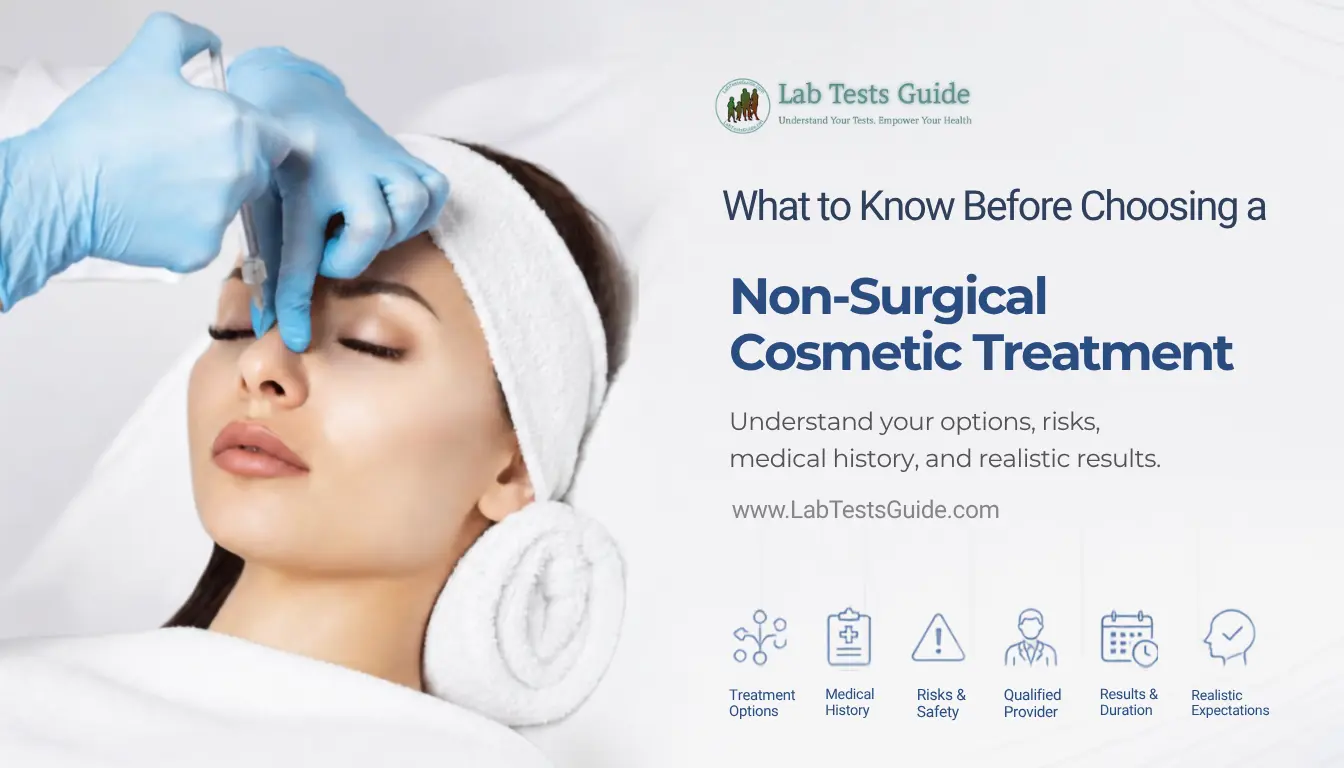
The nose is a useful example of why matching the treatment to the goal matters. Someone considering non-surgical rhinoplasty in NYC may want to smooth the appearance of a small bridge hump, improve symmetry, or add definition without surgery. Filler can sometimes create those visual changes by adding volume in carefully selected areas. It cannot remove nasal tissue or make a large nose physically smaller.
Dr. Rokhsar’s experience with cosmetic and laser procedures is a good example of why an anatomy-based consultation matters. The treatment plan should fit the individual face rather than copy a result seen online.
How Popular Are Minimally Invasive Treatments
Recent national procedural data shows that injectables and skin treatments now make up a large part of cosmetic care in the United States.
| Minimally invasive treatment | Procedures reported in latest dataset |
|---|---|
| Neuromodulator injections | 9,883,711 |
| Hyaluronic acid fillers | 5,331,426 |
| Skin resurfacing | 3,703,305 |
| Laser skin treatments | 3,112,056 |
These numbers reflect 2024 procedures published in the 2025 national report. They are useful for understanding scale, but treatment volume says little about whether a specific procedure is appropriate for an individual patient.
Your Medical History Still Matters
A cosmetic consultation should include more than a discussion about appearance. Medications, supplements, allergies, prior procedures, skin infections, bleeding problems, pregnancy status when relevant, and chronic medical conditions can all affect treatment decisions.
For example, some medications and supplements can increase bruising or bleeding. Active infection near an injection site can make postponing treatment appropriate. Previous filler, surgery, or scar tissue may also change how a provider approaches the same area.
Routine laboratory testing is not required before every non-surgical cosmetic treatment. A healthy patient receiving a limited injectable treatment may not need blood work at all. Tests become useful when medical history, symptoms, medications, or another clinical concern creates a reason to check something specific.
| Situation | What may need discussion before treatment |
|---|---|
| Blood-thinning medication | Bruising and bleeding risk |
| Previous filler or facial surgery | Product location and altered anatomy |
| Active skin infection | Whether treatment should be postponed |
| Significant allergies | Product ingredients and reaction history |
| Chronic medical condition | Whether treatment or healing could be affected |
Patients who are still looking for a qualified specialist can also compare dermatologists serving New York before choosing where to schedule a consultation. Credentials, relevant experience, and the type of treatment performed matter more than social media popularity.
Ask What Happens If Something Goes Wrong
Most cosmetic injectable side effects are minor and temporary. Swelling, tenderness, redness, and bruising are common examples. The more important question is how a clinic handles the uncommon complication.
Dermal filler can cause serious injury if material accidentally enters a blood vessel. Restricted blood flow can damage skin tissue, and rare cases involving visual injury and stroke have also been reported. The nose deserves particular caution because of its vascular anatomy.
Patients should ask what product will be injected, whether the provider regularly treats that area, and what emergency plan is available if vascular symptoms develop. With hyaluronic acid filler, the clinic should also understand when and how a dissolving enzyme may be used.
Temporary Does Not Mean Easily Reversible
Many people choose non-surgical procedures because the results are not permanent. That can be an advantage, but temporary and reversible are not the same thing.
Hyaluronic acid filler can often be reduced with hyaluronidase when clinically appropriate. Other filler materials may be harder to remove. Laser resurfacing cannot simply be “reversed” after the skin has been treated. Energy-based tightening treatments also create biological changes that must heal with time.
Current 2026 guidance on liquid rhinoplasty describes typical results as lasting about six months to one year. Duration still varies with the product, injection site, metabolism, treatment technique, and individual anatomy.
Know When Surgery Makes More Sense
Non-surgical treatment works best when the desired change can be achieved without removing or permanently restructuring tissue. That distinction becomes important when expectations are larger than the procedure’s capabilities.
A filler-based nose treatment may visually straighten a profile or improve limited asymmetry. Surgical rhinoplasty can physically reduce or reshape cartilage and bone. Surgery can also address certain structural breathing problems, something cosmetic filler does not correct.
The same principle applies elsewhere on the face and body. A minimally invasive procedure may improve a specific feature, but it should not be presented as an equivalent replacement for surgery when the two approaches accomplish different things.
Choosing Treatment Based on Health and Goals
A good cosmetic result starts before the procedure itself. Patients should know what they want changed, whether the proposed treatment can realistically produce that change, how long the result may last, and what complications are possible.
Medical history and current medications should be discussed openly. Laboratory testing should be used when there is a clinical reason for it, not as a standard cosmetic checklist. Most important, patients should choose a professional who understands both the treatment and its limits. Non-surgical cosmetic care can offer meaningful changes with less recovery than surgery, but it still deserves the same thoughtful approach given to any other medical procedure.
