

The Rising Concerns Over Ultra Processed Foods: A Turning Point in Public Health?
Ultraprocessed foods (UPFs) are under increasing scrutiny as evidence mounts linking their consumption to adverse health outcomes. With these foods accounting for a significant proportion of diets worldwide, public health experts and policymakers are grappling with the challenges of reducing their impact without alienating vulnerable populations or oversimplifying dietary guidance.
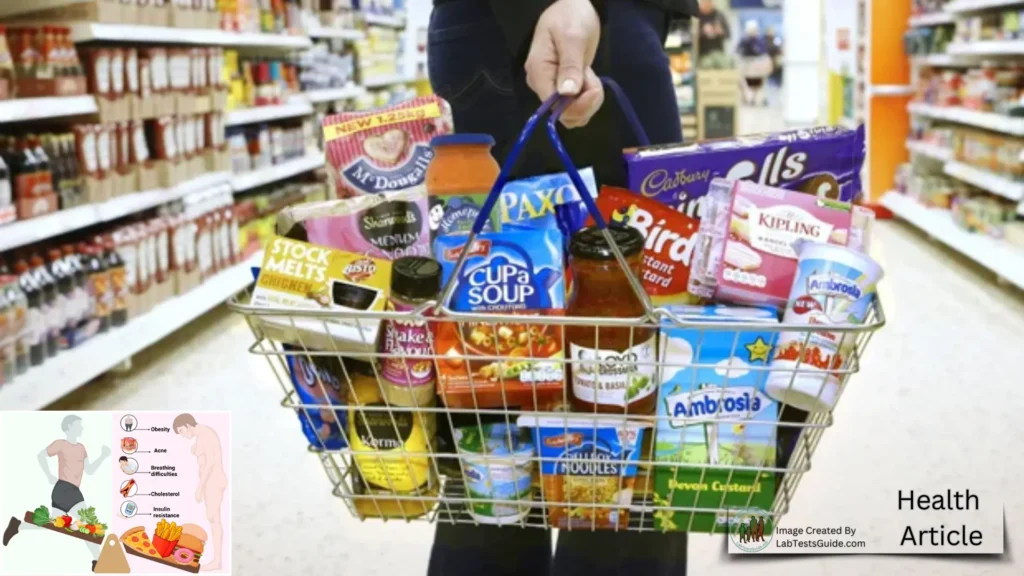
Ultraprocessed Foods: The Ubiquity and the Risks
A recent analysis by researchers at Johns Hopkins Bloomberg School of Public Health found that more than half of the calories consumed at home by U.S. adults come from ultraprocessed foods. This category includes items like chips, prepackaged meals, and sweetened beverages, often packed with additives such as emulsifiers and artificial flavors. The study also revealed a steady increase in the consumption of these foods, rising from 51% of home calories in 2003 to 54% in 2018.
While convenient and often cost-effective, ultraprocessed foods are associated with several chronic health conditions, including obesity, cardiovascular disease, and cancer. The additives and processing methods used to enhance flavor and shelf-life contribute to their appeal but may also introduce unique health risks beyond high fat, sugar, and salt content.
A Polarized Debate: Ban or Educate?
Calls for stringent measures against UPFs have intensified, with some advocating bans or stricter labeling requirements. For example, in Britain, pre-watershed junk food advertisements were recently banned, and the U.S. has seen political figures like Robert F. Kennedy Jr. advocating for measures to curb ultraprocessed food consumption.
However, experts like Professors Alexandra Johnstone and Eric Robinson argue against outright bans. They emphasize the need for balanced public health strategies that prioritize reducing known dietary risks without alienating low-income populations who often rely on these foods. Abrupt changes could exacerbate food insecurity and negatively impact mental health, particularly for those with eating disorders or limited resources.
Instead, they recommend focusing on clear messaging about the dangers of foods high in fat, sugar, and salt, while encouraging the consumption of minimally processed options like fruits, vegetables, and whole grains. “Mechanistic uncertainty over food processing and health should not prevent immediate public health policy to regulate the food industry,” says Robinson, highlighting the need for comprehensive research and targeted consumer education.
The Global Food Industry: Profit vs. Public Health
The global food industry plays a significant role in perpetuating ultraprocessed food consumption. Synthetic additives and reduced use of fresh ingredients make these products cheaper to produce and more profitable, especially for mass markets in countries like the U.S. and UK, where UPFs constitute over half of the average calorie intake.
However, consumer awareness is rising. Dietitians, public health advocates, and online influencers are drawing attention to the health risks of ultraprocessed diets, and some countries in Latin America have introduced mandatory labeling for these foods. While critics argue that such measures could unfairly demonize a broad range of products, proponents believe they are essential for empowering consumers to make informed choices.
Finding the Balance: Public Health and Practicality
Addressing the harms of ultraprocessed foods requires a multifaceted approach. Education campaigns, improved dietary guidelines, and stronger regulation of food marketing are crucial. At the same time, ensuring access to affordable, minimally processed foods is paramount, especially for low-income households.
For now, the focus should remain on promoting balanced diets and reducing the consumption of high-fat, sugar, and salt-laden foods. More targeted research is needed to refine the classification of UPFs and to understand their specific health impacts. As Professor Johnstone aptly notes, “Changing diets hooked on processed foods will take time and, for the sweet-toothed, willpower. But helping the public make informed choices is a start.”
The road ahead may be challenging, but with concerted effort, this could mark a turning point in public health—a shift towards healthier, more sustainable food systems.
References
- A Turning Point for Ultraprocessed Foods – The New York Time – ( Accessed on Dec 14, 2024)
- Ultraprocessed Foods Account for More than Half of Calories Consumed at Home – Public Health – ( Accessed on Dec 14, 2024)
- Ultra-Processed Foods Under Fire: Are We Missing the Bigger Picture? – Sci Tech Daily – ( Accessed on Dec 14, 2024)
- Tackling the harms of ultra-processed foods – FT – ( Accessed on Dec 14, 2024)
