

Blood Pressure
Blood pressure is the force exerted by circulating blood on the walls of arteries. It is an important indicator of cardiovascular health. Abnormally high blood pressure (hypertension) or low blood pressure (hypotension) may lead to serious health problems if not diagnosed and managed properly.
⚠️ When to Seek Medical Advice
Consult a doctor if you experience:
- Frequent headaches or dizziness
- Blurred vision or chest discomfort
- Shortness of breath
- Fainting or weakness
📞 Regular Monitoring
Blood pressure monitoring is recommended if:
- You have a family history of hypertension
- You are overweight or sedentary
- You have diabetes or kidney disease
- You are above 40 years of age
Common Symptoms & Possible Causes
| Symptom | Possible Cause |
|---|---|
| Persistent headache | Hypertension |
| Dizziness | Low blood pressure or dehydration |
| Blurred vision | High blood pressure affecting blood vessels |
| Fatigue | Hypotension or poor circulation |
| Nosebleeds | Severe hypertension |
Possible Causes
High blood pressure often develops gradually and may result from genetics, unhealthy diet, obesity, smoking, or chronic diseases.
Low blood pressure can occur due to dehydration, blood loss, severe infection, or certain medications.
Poor diet, high salt intake, lack of physical activity, alcohol consumption, and stress may influence blood pressure levels.
Diagnostic Tests
Blood Pressure Measurement
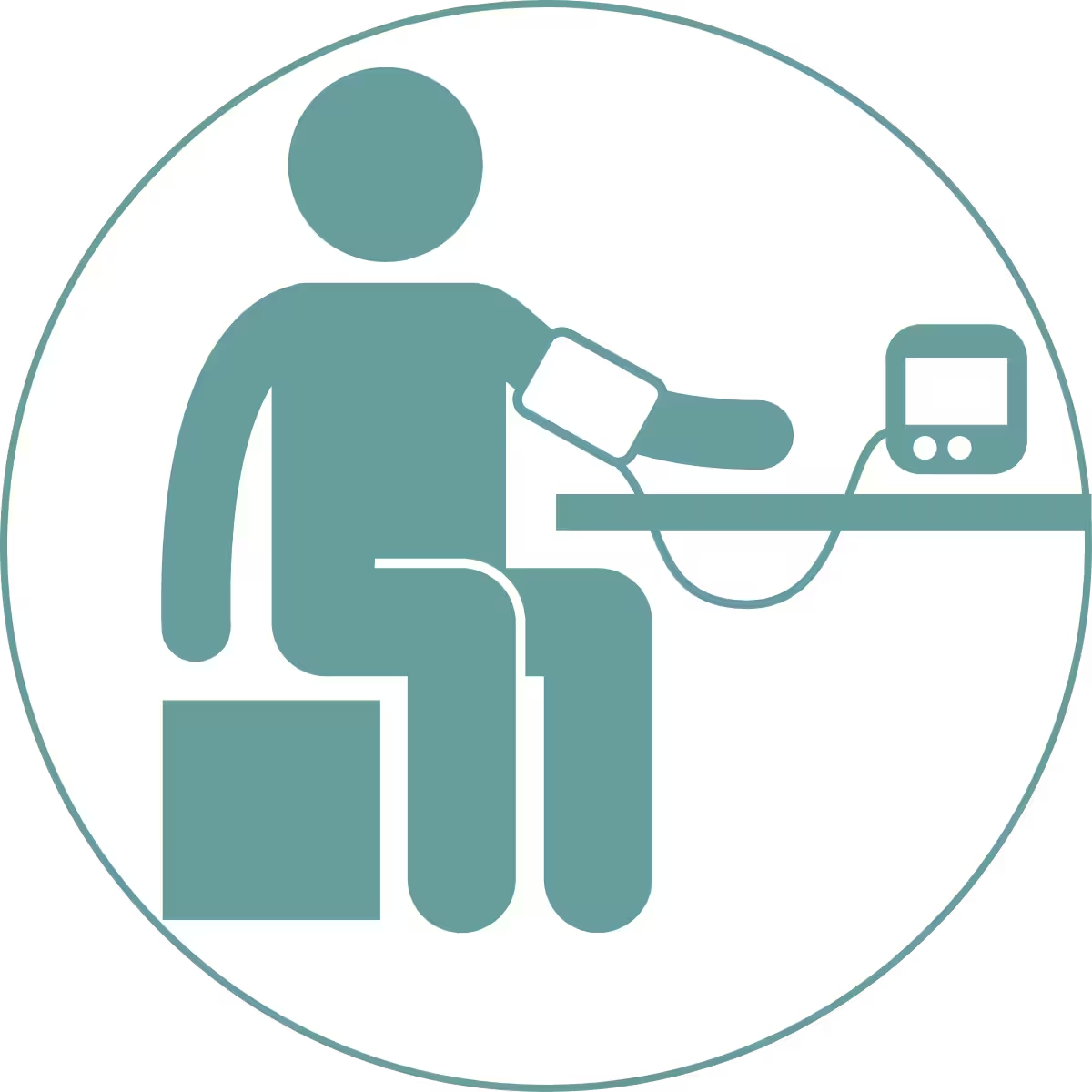
Primary test using a sphygmomanometer to measure systolic and diastolic pressure.
Lipid Profile
Evaluates cholesterol levels associated with cardiovascular risk.
Kidney Function Test
Checks kidney health which can affect blood pressure regulation.
Electrocardiogram (ECG)
Detects heart abnormalities related to hypertension.
