

Anger
Anger is a natural emotion, but frequent, intense, or explosive anger can be a sign of underlying issues like anxiety, depression, PTSD, or intermittent explosive disorder. It may also stem from stress, grief, or physical health problems.
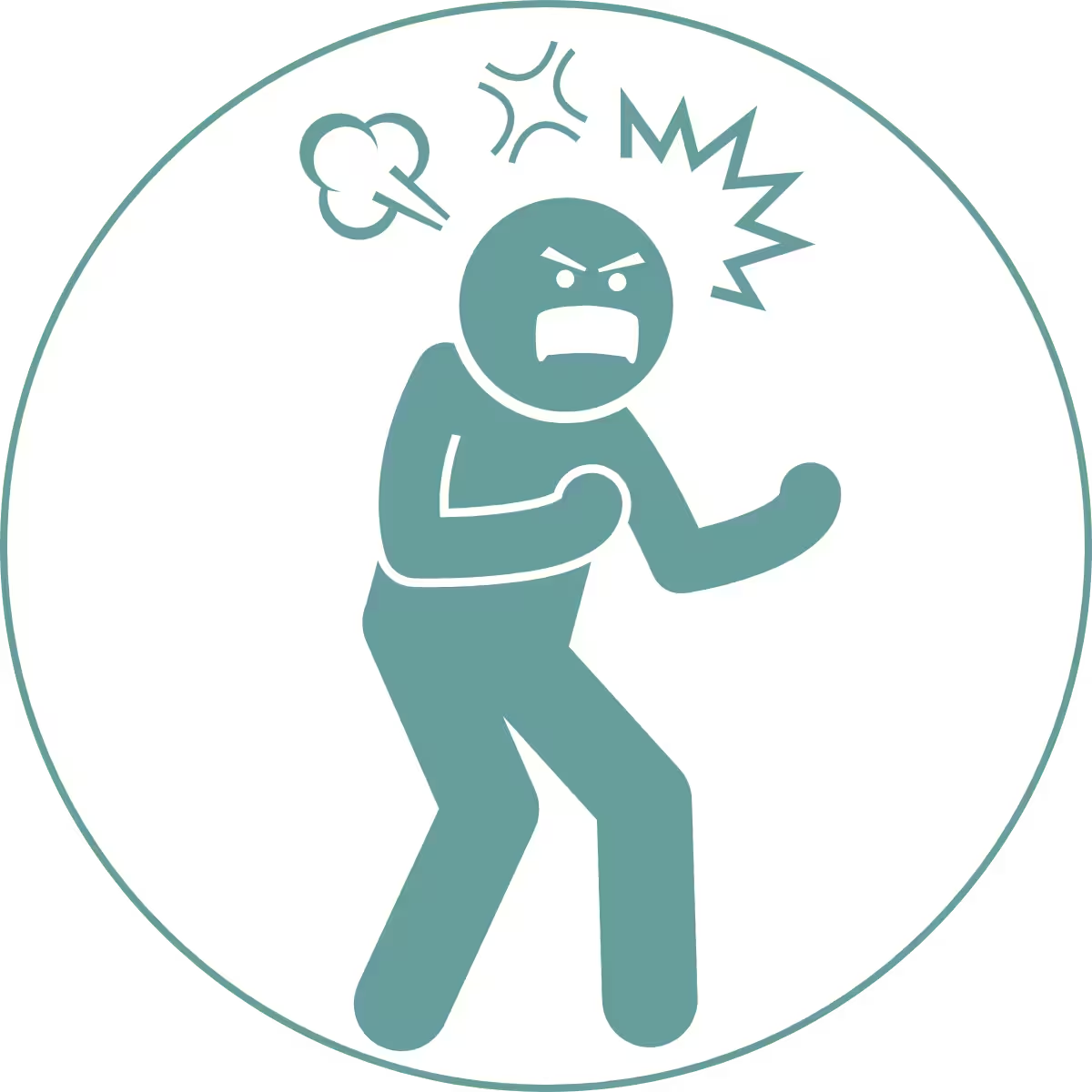
🚨 Immediate help – crisis
Seek urgent support if anger:
- Leads to violent behaviour (hitting, throwing objects)
- Involves threats to harm self or others
- Occurs with psychosis (hearing voices, paranoia)
- Follows head injury or confusion
- Is accompanied by thoughts of suicide
📞 Talk to a GP or counsellor
Make an appointment if anger:
- Happens frequently and feels uncontrollable
- Hurts relationships or work performance
- Leads to regret or guilt afterwards
- Is accompanied by low mood, anxiety, or irritability
- Triggers physical symptoms (headache, high BP)
Anger patterns & possible underlying conditions
| Anger presentation | Possible associated condition |
|---|---|
| Sudden, explosive outbursts out of proportion | Intermittent explosive disorder |
| Chronic irritability, resentment, low mood | Depression or dysthymia |
| Anger triggered by perceived threats, hypervigilance | PTSD or complex trauma |
| Irritability, restlessness, worry | Generalised anxiety disorder |
| Anger during manic episodes (grandiose, impulsive) | Bipolar disorder |
Causes by category
Intermittent explosive disorder: recurrent, impulsive aggression.
Depression: irritability can be a core symptom (especially in men).
Anxiety disorders: chronic worry may manifest as anger.
PTSD: hyperarousal and re‑experiencing can trigger anger.
Bipolar disorder: manic or mixed episodes with irritability.
Traumatic brain injury: frontal lobe damage → disinhibition.
Dementia: (especially frontotemporal) personality changes, aggression.
Epilepsy: (temporal lobe) rare ictal aggression.
Hormonal disorders: hyperthyroidism, premenstrual dysphoric disorder.
Chronic pain: can increase irritability.
Stress / burnout: accumulated pressure lowers tolerance.
Grief / loss: anger is a stage of grieving.
Alcohol misuse: disinhibition and withdrawal increase aggression.
Substance use: stimulants (cocaine, amphetamines) can provoke anger.
Assessment approaches
Clinical interview
Structured assessment of anger history, triggers, and impact.
Novaco Anger Scale
Standardised questionnaire to measure anger intensity and provocation.
STAXI-2
State‑Trait Anger Expression Inventory – evaluates anger experience and control.
Mood disorder screening
PHQ-9, GAD-7 to check for depression/anxiety.
Neuropsychological testing
If brain injury or dementia suspected.
Thyroid function tests
Rule out hyperthyroidism.
