

Pollen allergy is one of the most common causes of seasonal allergic rhinitis. It occurs when the immune system reacts to pollen released by trees, grasses, weeds, or other plants. For many people, symptoms appear during specific seasons and may return around the same time every year. Although pollen allergy is often considered a minor condition, it can affect sleep, school, work, outdoor activity, and overall quality of life.
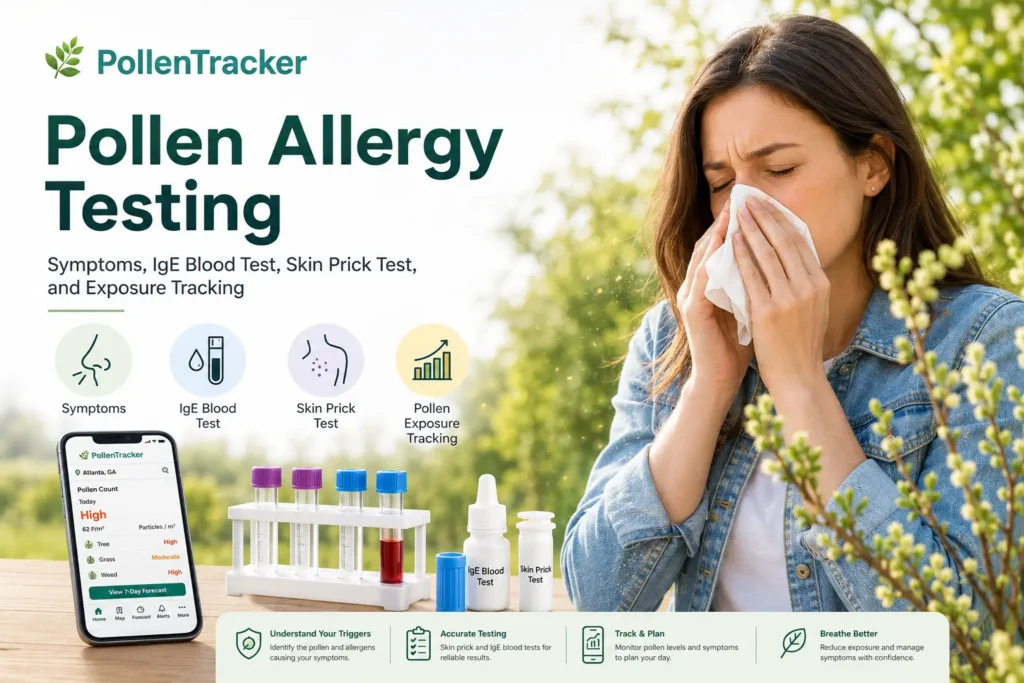
Testing can help identify whether pollen is a likely trigger and which types of pollen may be involved. This is useful because allergy symptoms can overlap with viral infections, non-allergic rhinitis, sinus irritation, and other respiratory conditions. A clear diagnosis allows patients and healthcare providers to create a more practical management plan.
What Is Pollen Allergy?
Pollen allergy is an immune reaction to tiny airborne particles produced by plants. These particles are light enough to travel through the air and can be inhaled through the nose or mouth. In a person with pollen allergy, the immune system identifies certain pollen proteins as harmful, even though they are usually harmless.
This reaction can lead to the release of histamine and other inflammatory chemicals. These chemicals cause many of the typical allergy symptoms, such as sneezing, nasal congestion, watery eyes, itching, and throat irritation.
Pollen exposure varies by location, season, weather, and plant type. Tree pollen is often more common in spring, grass pollen may increase in late spring and summer, and weed pollen can be more noticeable in late summer and fall. However, the exact timing depends on the region and local climate.
Common Symptoms of Pollen Allergy
Pollen allergy commonly affects the nose, eyes, throat, and sometimes the lungs. Symptoms may be mild, moderate, or severe depending on the person’s sensitivity and the level of exposure.
Common symptoms include sneezing, runny nose, nasal congestion, itchy nose, itchy eyes, throat irritation, watery or red eyes, postnasal drip, cough, headache, sinus pressure, and tiredness caused by poor sleep.
Some people with asthma may notice coughing, wheezing, chest tightness, or shortness of breath during high pollen periods. In these cases, pollen may act as a trigger for asthma symptoms and should be discussed with a healthcare provider.
Because symptoms may resemble a cold, many people are unsure whether they have allergies or an infection. Allergy symptoms often last longer than a typical cold and may appear repeatedly during the same season each year. Fever and body aches are more suggestive of infection than pollen allergy.
Why Allergy Testing Matters
Allergy testing helps confirm whether the immune system is reacting to specific allergens. This can be especially useful when symptoms are frequent, severe, seasonal, or difficult to control with general measures.
Testing may help answer several practical questions. It can show whether pollen is the likely cause of symptoms, which pollen types may be involved, whether there are other triggers such as dust mites, mold, or pet dander, and whether the patient should consider allergen avoidance, medication, or immunotherapy.
A diagnosis should not rely on test results alone. Doctors usually interpret allergy tests together with the patient’s symptoms, medical history, physical examination, and timing of exposure. A positive test means sensitization is present, but it does not always prove that the allergen is causing symptoms. The result is most meaningful when it matches the patient’s real-world symptom pattern.
Skin Prick Test for Pollen Allergy
A skin prick test is one of the most common methods used to evaluate environmental allergies, including pollen allergy. During the test, small amounts of allergen extracts are placed on the skin, usually on the forearm or back. The skin is then lightly pricked so the allergen can enter the surface layer.
If the person is allergic to a specific pollen, a small raised bump may appear at the test site. This is usually measured after a short waiting period. The test is commonly performed in an allergy clinic or medical office.
Skin prick testing is generally quick and can test several allergens during the same visit. However, some medications, especially antihistamines, may interfere with the result. Patients should follow instructions from their healthcare provider before testing.
Skin prick testing may not be suitable for everyone. People with certain skin conditions, a history of severe allergic reactions, or those who cannot stop interfering medications may need a different testing approach.
Specific IgE Blood Test
A specific IgE blood test measures the level of immunoglobulin E antibodies to particular allergens. For pollen allergy, the test can look for IgE antibodies to tree pollen, grass pollen, weed pollen, or selected plant allergens.
This type of test may be useful when skin testing is not possible or when a healthcare provider wants additional information. It only requires a blood sample and does not involve direct exposure of the skin to allergens.
Specific IgE testing can help identify sensitization, but results must be interpreted carefully. A higher IgE level may suggest a stronger immune response, but it does not always predict symptom severity. Some people may test positive but have few or no symptoms. Others may have significant symptoms with lower test values.
The most useful result is one that matches the patient’s history. For example, if symptoms worsen every spring and testing shows sensitization to tree pollen, the result may support a diagnosis of seasonal pollen allergy.
Symptom and Exposure Tracking
Symptom tracking is an important part of managing pollen allergy. Patients may be asked to record when symptoms occur, how severe they are, what medications are used, and whether outdoor exposure seems to make symptoms worse.
Exposure tracking can make this information more useful. Checking the local pollen count today can help patients compare symptoms with outdoor pollen patterns, especially during tree, grass, or weed pollen seasons. This may also help with planning outdoor activities, exercise, children’s playtime, or medication timing.
For example, if symptoms become worse on days with high grass pollen, a patient may discuss this pattern with a healthcare provider. This can help confirm whether the allergy test result matches real-life exposure.
Tracking is especially helpful for people whose symptoms vary from day to day. Weather, wind, rain, humidity, and plant activity can all affect pollen levels. A patient may feel well one day and have significant symptoms the next, even during the same season.
Common Pollen Triggers
Different plants produce different types of pollen. The most common pollen allergy triggers include tree pollen, grass pollen, and weed pollen.
Tree pollen may come from oak, birch, cedar, maple, elm, or other trees depending on the region. Tree pollen is often associated with spring symptoms.
Grass pollen may come from timothy grass, Bermuda grass, ryegrass, orchard grass, or other grasses. Grass pollen is often more active in late spring and summer.
Weed pollen may come from ragweed, sagebrush, pigweed, lamb’s quarters, or other weeds. Ragweed is a common cause of late summer and fall allergy symptoms in many areas.
Patients may react to one pollen type or several. In some cases, symptoms may last for months because different pollen seasons overlap.
How Patients Can Reduce Pollen Exposure
Avoiding pollen completely is not realistic, but reducing exposure may help lower symptoms. The best approach depends on the patient’s location, schedule, and symptom severity.
Common exposure-reduction measures include keeping windows closed during high pollen periods, using air conditioning when possible, showering after spending time outdoors, changing clothes after outdoor activity, washing bedding regularly, wearing sunglasses outdoors, avoiding outdoor exercise when pollen levels are high, using a high-efficiency filter when appropriate, and keeping car windows closed during travel.
Outdoor activity does not always need to be avoided. Many people can still go outside with better planning, especially if they understand when pollen levels are likely to be higher.
Rain may temporarily reduce airborne pollen, while dry and windy weather may increase exposure. Local conditions can vary, so patients often benefit from combining general prevention steps with local pollen information.
Treatment Options for Pollen Allergy
Treatment depends on the patient’s symptoms, age, medical history, and other conditions such as asthma. Common treatments may include antihistamines, nasal corticosteroid sprays, saline rinses, eye drops, and decongestants when appropriate.
Nasal corticosteroid sprays are often used for persistent nasal symptoms. Antihistamines may help reduce sneezing, itching, and runny nose. Saline rinses may help remove mucus and allergens from the nasal passages.
Some patients may benefit from allergy immunotherapy. This treatment exposes the immune system to controlled amounts of an allergen over time. It may be given as allergy shots or, for certain allergens, as tablets placed under the tongue. Immunotherapy is usually considered when symptoms are significant, long-lasting, or not well controlled with standard treatment.
Patients should speak with a healthcare provider before starting or changing allergy treatment, especially if they have asthma, are pregnant, are treating a child, or take other medications.
When to See a Doctor
A person should consider medical evaluation if symptoms are frequent, severe, or interfering with sleep, school, work, or daily activities. Medical advice is also important when symptoms include wheezing, shortness of breath, chest tightness, or persistent cough.
A doctor may recommend allergy testing, review medication options, or refer the patient to an allergist. Testing can be especially helpful when symptoms return every year or when the trigger is unclear.
Children with seasonal symptoms may also benefit from evaluation. Untreated allergies can affect sleep, concentration, and outdoor activity. In children with asthma, identifying pollen triggers may help reduce flare-ups.
Summary
Pollen allergy is a common seasonal condition that can cause sneezing, nasal congestion, itchy eyes, cough, and fatigue. Testing can help identify whether pollen is a likely trigger and which allergens may be involved. Skin prick testing and specific IgE blood testing are commonly used methods, but results should always be interpreted together with symptoms and exposure history.
Daily symptom and pollen exposure tracking can provide practical information for patients and healthcare providers. By combining testing, prevention, treatment, and local pollen awareness, many people can better manage seasonal allergy symptoms and make more informed decisions about outdoor activities.
