

Blushing
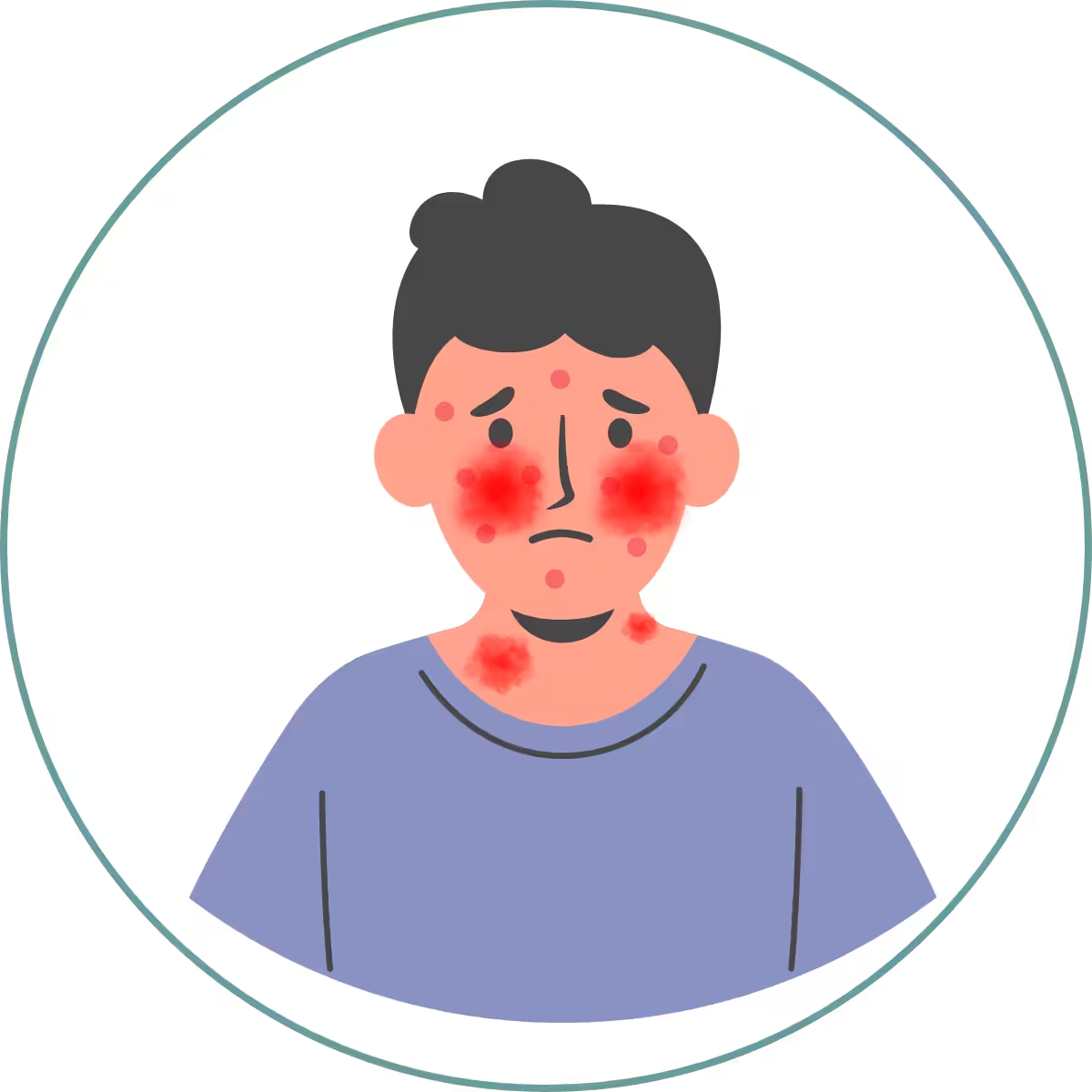
Blushing is a sudden reddening of the face, neck, or chest caused by increased blood flow. It is often triggered by emotional stress, social anxiety, embarrassment, or certain medical conditions. While usually harmless, persistent or excessive blushing may indicate underlying health concerns.
🚨 When to Seek Medical Advice
See a healthcare provider if blushing is:
- Persistent and occurs without obvious emotional trigger.
- Accompanied by heart palpitations, sweating, or dizziness.
- Causing social or psychological distress affecting daily life.
- Linked with skin rash, flushing, or other unusual symptoms.
📞 Consult a Therapist or Physician
Consult a professional if:
- Blushing significantly impacts social interactions or confidence.
- Emotional triggers seem extreme or disproportionate.
- Associated with anxiety, panic attacks, or phobias.
- Over-the-counter treatments and lifestyle changes don’t help.
Common Triggers & Causes
| Trigger / Symptom | Possible Cause |
|---|---|
| Reddening of face during social situations | Social Anxiety / Embarrassment |
| Flushing with emotional stress | Sympathetic Nervous System Activation |
| Persistent redness of cheeks and nose | Rosacea |
| Flushing with rapid heartbeat or sweating | Hyperthyroidism or Hormonal Imbalance |
| Sudden episodes of widespread redness | Carcinoid Syndrome or Rare Medical Condition |
Causes & Triggers
Embarrassment or Shyness: Common cause of transient blushing.
Social Anxiety: May trigger excessive flushing in public or social situations.
Stress or Panic: Activates sympathetic nervous system causing reddening of the face.
Rosacea: Chronic skin condition causing persistent facial redness.
Hyperthyroidism: Overactive thyroid can increase blood flow and cause flushing.
Carcinoid Syndrome: Rare tumor-related flushing episodes.
Heat or Sun Exposure: Can temporarily increase facial redness.
Alcohol Consumption: May trigger vasodilation and blushing.
Spicy Foods: Can cause temporary flushing in sensitive individuals.
Assessment & Diagnosis
Physical Examination
Assessment of skin, facial redness, and triggers.
Psychological Evaluation
Identifies social anxiety, stress, or emotional triggers.
Blood Tests
Rules out hyperthyroidism or hormonal imbalances.
Dermatology Consultation
Evaluation for rosacea or other skin conditions causing redness.
