

Cough
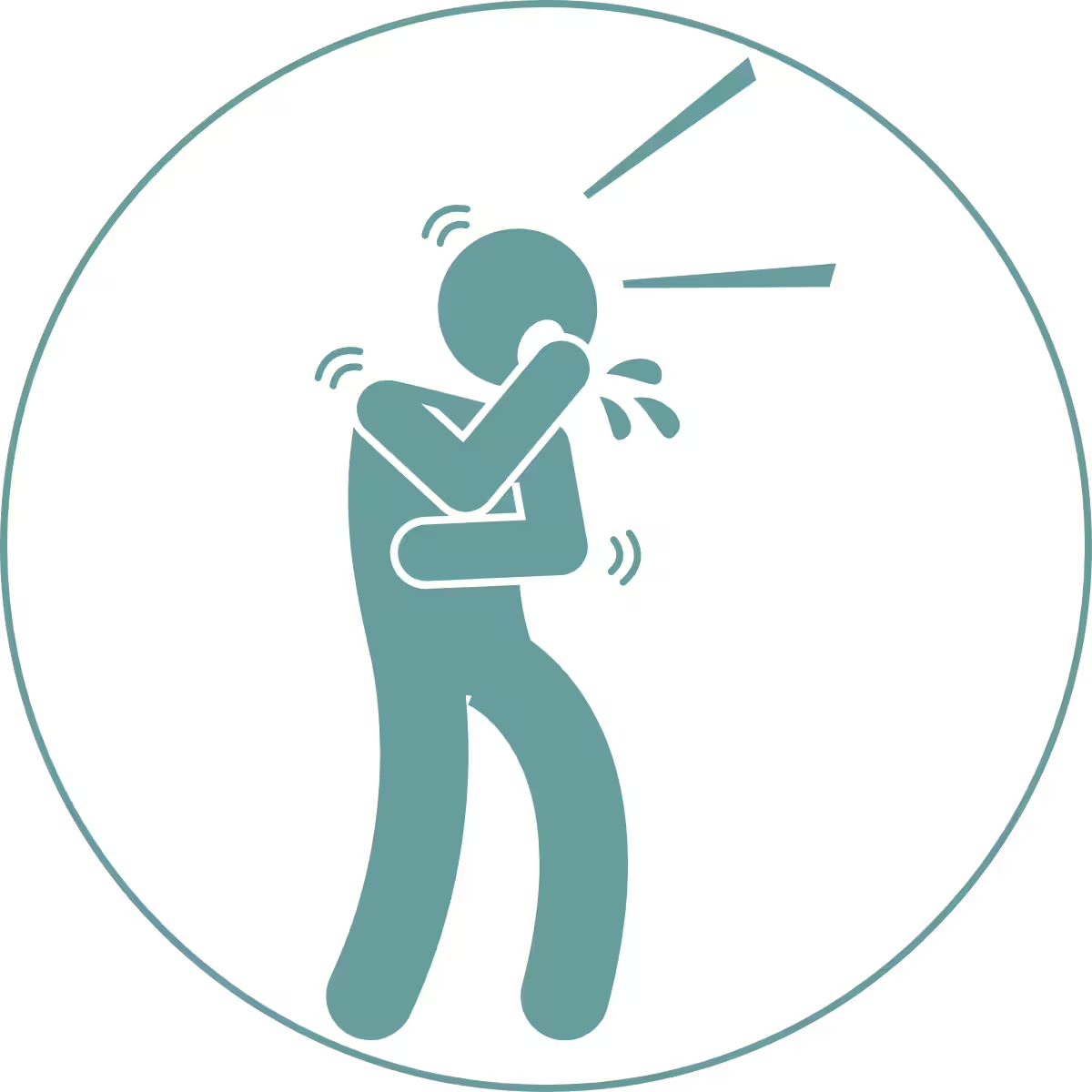
Cough is a common reflex action that helps clear the airways of mucus, irritants, or foreign particles. It may be acute or chronic and can result from infections, allergies, or underlying respiratory conditions. Persistent cough should be evaluated to identify the underlying cause.
⚠️ When to Seek Medical Advice
Consult a doctor if you experience:
- Cough lasting more than 2–3 weeks
- Blood in sputum
- Shortness of breath or chest pain
- High fever or weight loss
📞 Monitoring & Prevention
Regular monitoring is recommended if:
- You are a smoker
- You have asthma or chronic lung disease
- You are exposed to dust or pollution
- You have frequent respiratory infections
Common Symptoms & Possible Causes
| Symptom | Possible Cause |
|---|---|
| Dry cough | Viral infection, allergies, or irritants |
| Productive cough | Bacterial infection or bronchitis |
| Cough with blood | Tuberculosis, lung infection, or serious disease |
| Night cough | Asthma or postnasal drip |
| Cough with fever | Pneumonia or respiratory infection |
Possible Causes
Common infections such as cold, flu, bronchitis, and pneumonia are major causes of cough.
Allergic reactions and asthma can trigger chronic cough due to airway inflammation and hypersensitivity.
Smoking, air pollution, and chemical exposure irritate the respiratory tract, leading to persistent cough.
Diagnostic Tests
Chest X-ray
Evaluates lung conditions such as infections, tumors, or fluid accumulation.
Sputum Examination
Analyzes mucus to detect bacterial or fungal infections.
Spirometry
Measures lung function and helps diagnose asthma or COPD.
Complete Blood Count (CBC)
Identifies infection or inflammation affecting the respiratory system.
