

Bulging Eyes (Exophthalmos)
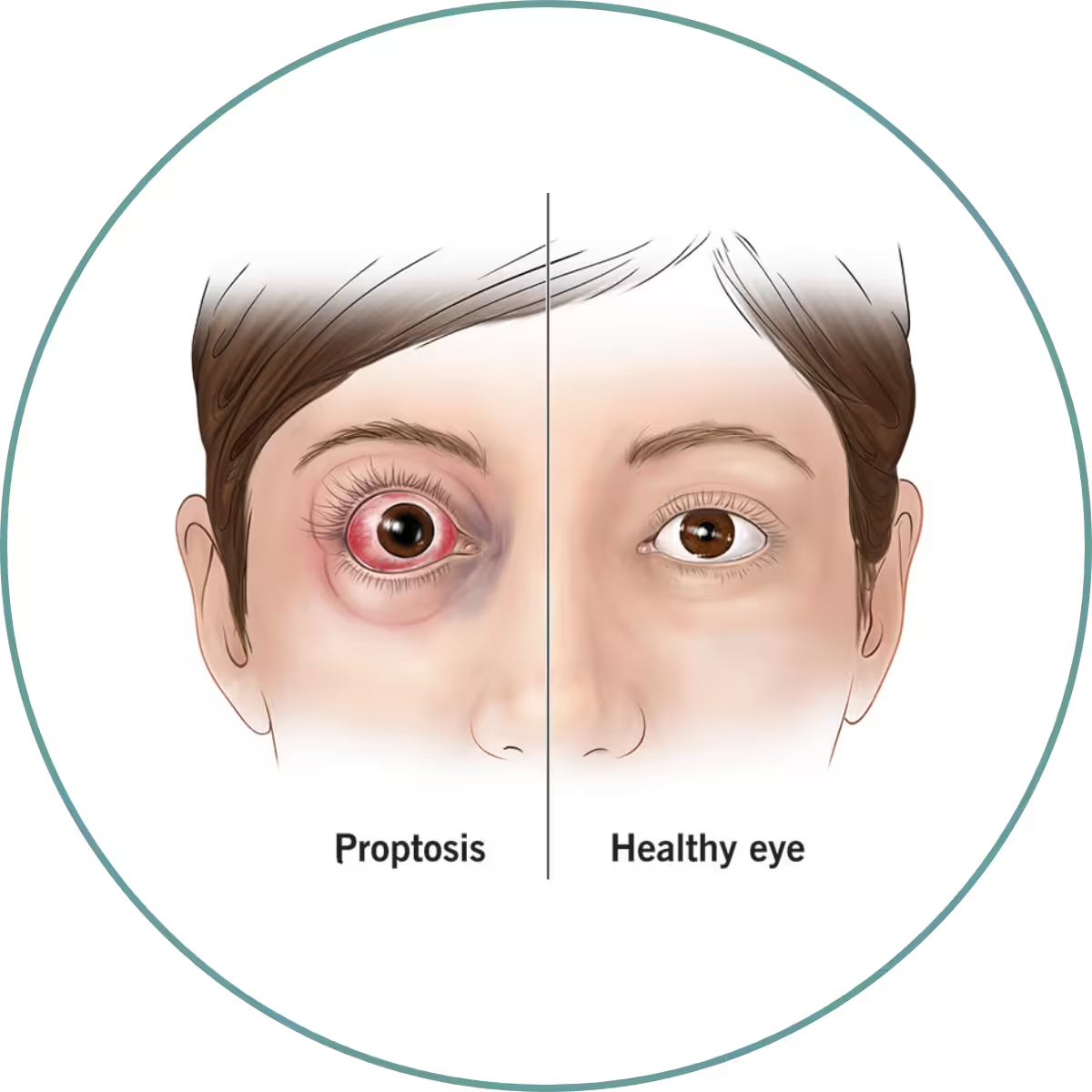
Bulging eyes, medically known as exophthalmos or Proptosis, is a condition where the eyes protrude abnormally from their sockets. It can be caused by thyroid disorders, infections, inflammation, or tumors. Early evaluation is important to prevent eye damage and address underlying systemic conditions.
⚠️ When to Seek Medical Advice
Consult an ophthalmologist or doctor if you notice:
- Sudden or progressive eye bulging
- Eye pain, redness, or swelling
- Double vision or difficulty moving eyes
- Excessive tearing or vision changes
📞 Monitoring & Follow-up
Regular monitoring is recommended if:
- You have thyroid disorders (hyperthyroidism or Graves’ disease)
- You notice gradual eye protrusion
- You experience vision changes or eye discomfort
- You are undergoing treatment for orbital disease
Common Symptoms & Possible Causes
| Symptom | Possible Cause |
|---|---|
| Protruding eyes | Thyroid eye disease (Graves’ disease) |
| Eye redness or swelling | Inflammation or infection of the eye tissues |
| Double vision | Muscle involvement in orbital disease |
| Pain or pressure around eyes | Orbital tumor or inflammation |
| Dry or watery eyes | Inability to close eyelids fully due to eye protrusion |
Possible Causes
Autoimmune conditions like Graves’ disease can cause inflammation and swelling behind the eyes, resulting in protrusion.
Benign or malignant tumors in the eye socket can push the eye forward, causing bulging.
Orbital cellulitis or other infections can lead to swelling behind the eye, resulting in exophthalmos.
Diagnostic Tests
Clinical Eye Examination
Assesses eye position, movement, and vision changes.
Thyroid Function Test
Evaluates thyroid hormone levels to identify thyroid-related causes.
Orbital Imaging (CT/MRI)
Detects tumors, inflammation, or structural abnormalities behind the eyes.
Blood Tests
Checks for autoimmune markers, infection, or systemic causes of eye protrusion.
