
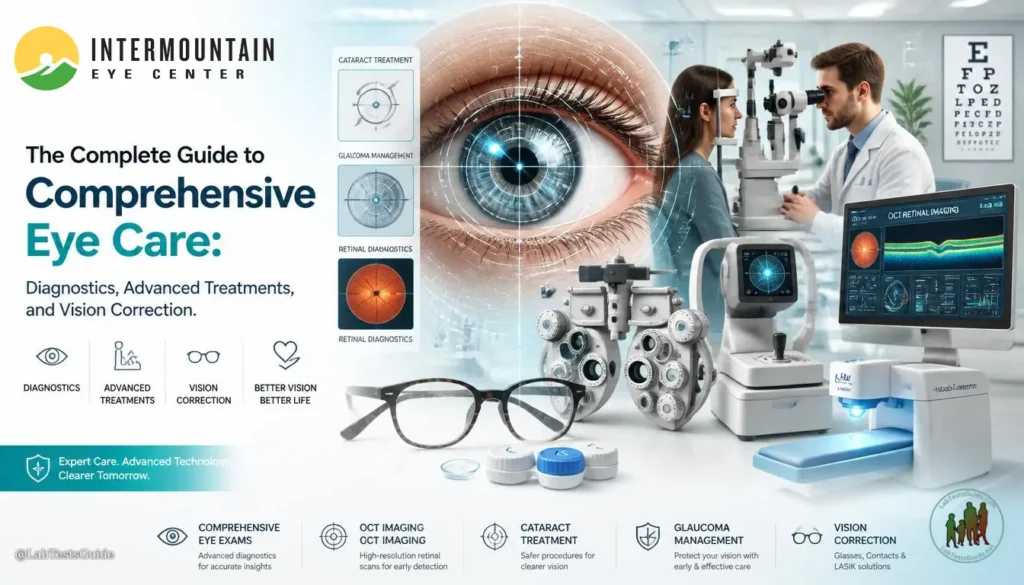
The Complete Guide to Comprehensive Eye Care: Diagnostics, Advanced Treatments, and Vision Correction
Maintaining optimal vision is a critical component of overall health, yet it is often one of the most neglected areas of personal wellness. Comprehensive eye care goes far beyond a simple vision screening; it involves a sophisticated array of diagnostic tests and medical interventions designed to protect the delicate structures of the eye. For those seeking top-tier clinical expertise, Intermountain Eye Center stands as a premier example of excellence in the field. Their specialized team provides a full spectrum of services, ranging from routine eye exams to advanced medical and surgical treatments for complex conditions such as cataracts, glaucoma, and retinal or corneal disorders. By leveraging cutting-edge refractive procedures like LASIK, PRK, and ICL, alongside specialized oculoplastic treatments and professional optical services, they empower patients to protect their vision and achieve long-term visual clarity through patient-focused care.
Why Comprehensive Eye Care Matters
The human eye is often referred to as the “window to the health of the body.” Many systemic conditions, including hypertension, diabetes, and even certain autoimmune disorders, can be detected through a detailed eye examination before symptoms appear elsewhere in the body.
A comprehensive approach to eye care ensures that vision is not only corrected but that the underlying health of the ocular system is preserved. This requires a combination of routine monitoring, diagnostic testing (similar to clinical laboratory testing), and timely surgical intervention when necessary.
The Role of Diagnostic Testing in Eye Health
In the world of medical diagnostics, eye care relies heavily on precise measurements. Just as a blood test at Lab Tests Guide helps identify internal health markers, specific ocular tests identify the health of the eye’s internal structures.
1. Tonometry (Intraocular Pressure Test)
This is a vital diagnostic tool used to measure the pressure inside your eyes. High pressure is a primary indicator of glaucoma, a “silent” disease that can lead to permanent blindness if not caught through regular screenings.
2. Retinal Imaging and OCT
Optical Coherence Tomography (OCT) is a non-invasive imaging test. It uses light waves to take cross-section pictures of your retina. This allows doctors to see each of the retina’s distinctive layers, helping them map and measure their thickness. These measurements are essential for diagnosing retinal disorders and age-related macular degeneration.
3. Slit-Lamp Examination
By using a high-intensity light source and a microscope, eye specialists can examine the anterior segment and posterior segment of the human eye, including the eyelid, sclera, conjunctiva, iris, natural crystalline lens, and cornea.
Advanced Medical and Surgical Treatments
When diagnostic tests reveal underlying conditions, a comprehensive eye care provider offers medical and surgical solutions to prevent further vision loss.
Managing Cataracts and Glaucoma
- Cataracts: As we age, the eye’s natural lens can become cloudy. Modern cataract surgery is one of the most successful medical procedures performed today, involving the removal of the cloudy lens and the implantation of a clear intraocular lens (IOL).
- Glaucoma: Known as the “thief of sight,” glaucoma is managed through a combination of medicated eye drops, laser treatments, or specialized surgical procedures designed to reduce intraocular pressure.
Retinal and Corneal Disorders
The retina and cornea are vital for focusing light and sending visual signals to the brain. Disorders such as corneal scarring, keratoconus, or retinal detachment require specialized care. Advanced treatments ensure that these delicate tissues are repaired or managed to maintain visual integrity.
The Evolution of Refractive Surgery: LASIK, PRK, and ICL
For many patients, freedom from glasses and traditional contacts is a primary goal. Modern refractive surgery has evolved to offer high levels of precision and safety.
- LASIK (Laser-Assisted In Situ Keratomileusis): The most well-known refractive surgery, using a laser to reshape the cornea to correct nearsightedness, farsightedness, and astigmatism.
- PRK (Photorefractive Keratectomy): Often recommended for patients with thinner corneas, PRK reshapes the surface of the cornea without creating a flap.
- ICL (Implantable Collamer Lens): Unlike LASIK, which reshapes the cornea, an ICL is a lens that is permanently implanted into the eye to provide sharp, clear vision for those with high levels of myopia.
Optical Services and Vision Correction
While surgery is a fantastic option for many, traditional vision correction remains a cornerstone of comprehensive eye care. Choosing the right corrective lenses is both a medical necessity and a lifestyle choice.
For those who prefer a non-surgical approach, finding the right fit is essential for comfort and ocular health. Whether you are looking for daily disposables or specialized lenses for astigmatism, seeking expert help for contact lenses boise ensures that your prescription is accurate and your eye health is monitored for any signs of lens-related irritation or infection. Proper fitting and material selection are vital to prevent corneal oxygen deprivation and maintain long-term comfort.
Oculoplastic Treatments: Function Meets Aesthetics
Oculoplastics is a specialized area of ophthalmology that focuses on the eyelids, orbits, and tear ducts. These treatments can be:
- Functional: Correcting drooping eyelids (ptosis) that obstruct vision or repairing tear duct obstructions.
- Cosmetic: Rejuvenating the appearance of the area around the eyes through surgical and non-surgical interventions.
By focusing on these specialized treatments, comprehensive eye centers ensure that the “frame” of the eye is as healthy and functional as the eye itself.
How to Protect Your Vision: A Preventative Checklist
Beyond visiting a specialist, there are several steps you can take to maintain your eye health, much like maintaining your general health through regular lab screenings.
- Understand Your Family History: Many eye conditions, such as glaucoma and macular degeneration, are hereditary.
- Monitor Blood Sugar: Diabetes is a leading cause of blindness. Regular blood glucose testing (as detailed here on Lab Tests Guide) is essential for preventing diabetic retinopathy.
- Wear UV Protection: Long-term exposure to UV rays can increase the risk of cataracts and eye cancers.
- Practice the 20-20-20 Rule: To reduce digital eye strain, every 20 minutes, look at something 20 feet away for at least 20 seconds.
- Eat a Vision-Friendly Diet: Foods rich in Omega-3 fatty acids, lutein, and vitamins C and E may help ward off age-related vision problems.
Conclusion: A Lifetime of Visual Clarity
Comprehensive eye care is an investment in your future. By combining the precision of diagnostic testing with the expertise of surgical specialists and optical professionals, patients can enjoy a lifetime of clear vision. Centers like Intermountain Eye Center exemplify this holistic approach, providing everything from routine check-ups to life-changing refractive surgeries.
Don’t wait for your vision to fade before seeking help. Just as you monitor your cholesterol or blood pressure through regular lab tests, make comprehensive eye exams a non-negotiable part of your healthcare routine. Whether you need a new pair of glasses, are considering LASIK, or require specialized treatment for a medical condition, professional eye care is the key to seeing the world clearly for years to come.