Article
Chapter 125 – MCQs for Lab (Biochemistry)
Chapter 125 of 5000 Plus MCQs for Lab Technician and Technologists are designed to test the knowledge and proficiency of laboratory professionals who work…

Browse
Chapter 125 of 5000 Plus MCQs for Lab Technician and Technologists are designed to test the knowledge and proficiency of laboratory professionals who work…
Urine potassium refers to the level of potassium present in a person's urine. Potassium is an essential mineral that plays a vital role in…
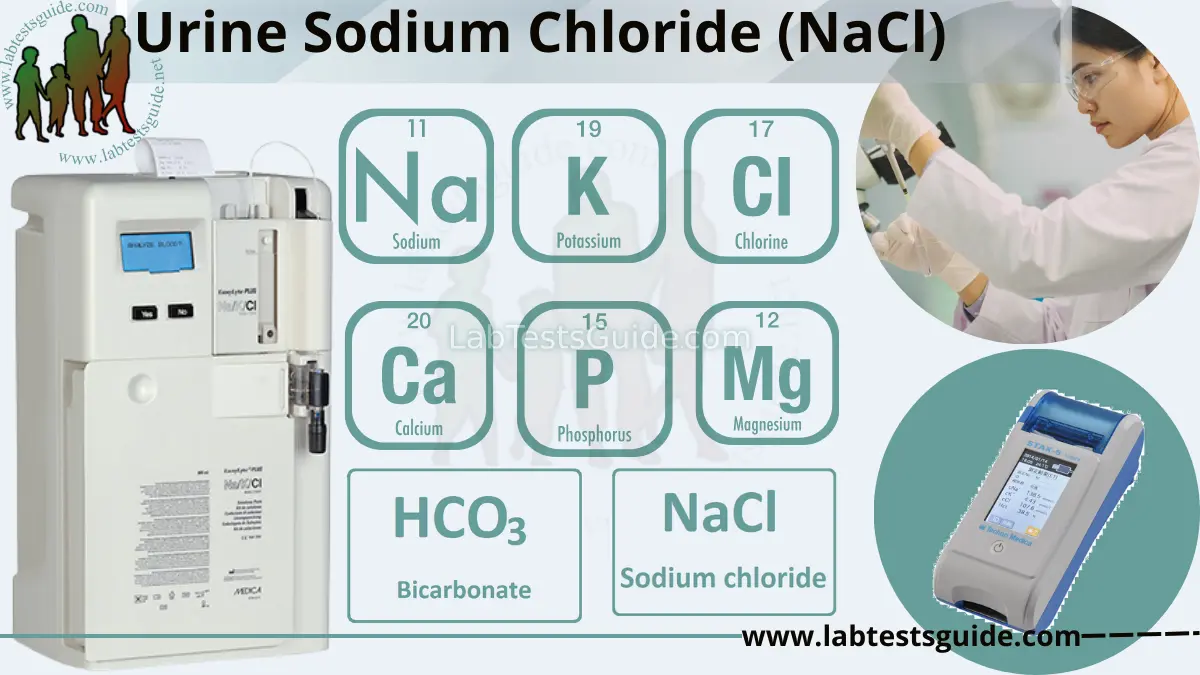
Urine sodium chloride Ratio refers to the presence of sodium chloride (NaCl), in the urine. Sodium and chloride are both electrolytes that are important…
Albuminuria is a type of protein that is normally found in the blood but not in the urine. When the kidneys are not functioning…
Urine albumin is a type of protein that is normally found in the blood but not in the urine. When the kidneys are not…
Yeast in urine refers to the presence of an overgrowth of yeast, most commonly Candida, in the urinary tract. This can cause symptoms such…
Microorganisms in urine refer to the presence of bacteria, fungi, viruses, or parasites in the urine, which can indicate a urinary tract infection (UTI)…
Bacteria in urine, also known as Bacteriuria, is a condition characterized by the presence of bacteria in the urine, which is normally sterile. The…
Bacteria in urine, also known as Bacteriuria, is a condition characterized by the presence of bacteria in the urine, which is normally sterile. The…
Epithelial cells in urine refer to the shedding of cells from the lining of the urinary tract that can be found in a urine…
Leukocytes in urine, also known as white blood cells in urine, refers to the presence of white blood cells in the urine sample. Leukocytes…
Nitrites in urine are a common finding and can indicate a bacterial infection in the urinary tract. Nitrites are formed when bacteria convert nitrates,…
Blood in urine, also known as hematuria, is a medical condition characterized by the presence of red blood cells in the urine. This can…
Blood in Urine, also known as hematuria, is a medical condition characterized by the presence of blood in the urine. It can be caused…
Urine urobilinogen refers to the amount of urobilinogen present in a person's urine. Urobilinogen is a colorless substance that is produced by the breakdown…
Urine bilirubin is a medical test that measures the level of bilirubin in a urine sample. Bilirubin is a yellow pigment produced by the…
Urine ketones are a sign of a metabolic state called ketosis. This occurs when the body starts breaking down fat for energy instead of…
Urine ketones are a sign of a metabolic state called ketosis. This occurs when the body starts breaking down fat for energy instead of…
A Urine Sugar test is a medical test that measures the amount of glucose (sugar) present in a person's urine. Glucose is normally present…
Urine Glucose Test: Purpose, Procedure, Results, and Interpretation A urine glucose test is a medical test that measures the amount of glucose (sugar) present…
Urine protein, also known as proteinuria, is a medical condition characterized by the presence of excess protein in the urine. Normally, the kidneys filter…
Urine specific gravity (USG) is a measure of the concentration of solutes in urine, which reflects the kidney's ability to concentrate urine. USG is…
Urine pH refers to the measurement of the acidity or alkalinity of urine. The pH scale ranges from 0 to 14, with 7 being…
Urine odor refers to the smell or aroma that is associated with urine. The odor of urine can be influenced by various factors such…
Get fresh content from Lab Tests Guide