Article
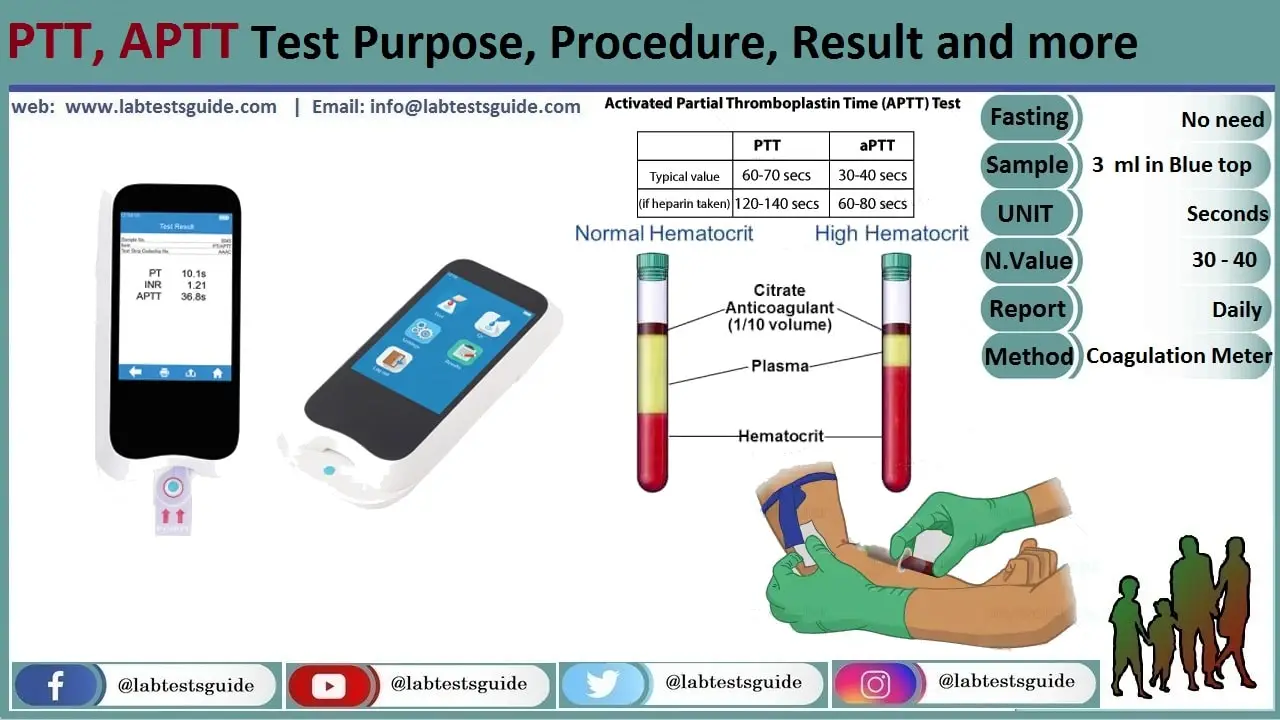
PTT (Partial thromboplastin time) Test
PTT, which stands for Partial Thromboplastin Time, is a laboratory test that measures the time it takes for blood plasma to clot. It is…

Browse
PTT, which stands for Partial Thromboplastin Time, is a laboratory test that measures the time it takes for blood plasma to clot. It is…
Partial Thromboplastin Time (PTT) is a laboratory test that measures the time it takes for blood plasma to clot. It is used to evaluate…
Activated Partial Thromboplastin Time (APTT) is a laboratory test that measures the time it takes for blood plasma to clot through the intrinsic pathway…
APTT (Activated Partial Thromboplastin Time) is a laboratory test that measures the time it takes for blood plasma to clot through the intrinsic pathway…
This test is used for the detection of fibrin/fibrinogen degradation products in patients suspected of having thrombotic disorders. Fibrinogen is a blood clotting factor…
Factor XIII is a zymogen found in the blood of humans and other animals. It is activated by thrombin to factor XIIIa. XIIIa is…
Factor XII initiates the intrinsic coagulation cascade and is linked to the fibrinolytic, kallikrein-kinin, and complementary systems.
Factor XI deficiency is a rare genetic bleeding disorder caused by reduced levels and insufficient activity of a blood protein called factor XI. Factor…
Factor X plays a role in blood clotting, also called coagulation, which helps you stop bleeding. Known as clotting factors, several crucial proteins, including…
Factor IX is a protein naturally produced in the body. It helps the blood form clots to stop bleeding. Factor IX injections are used…
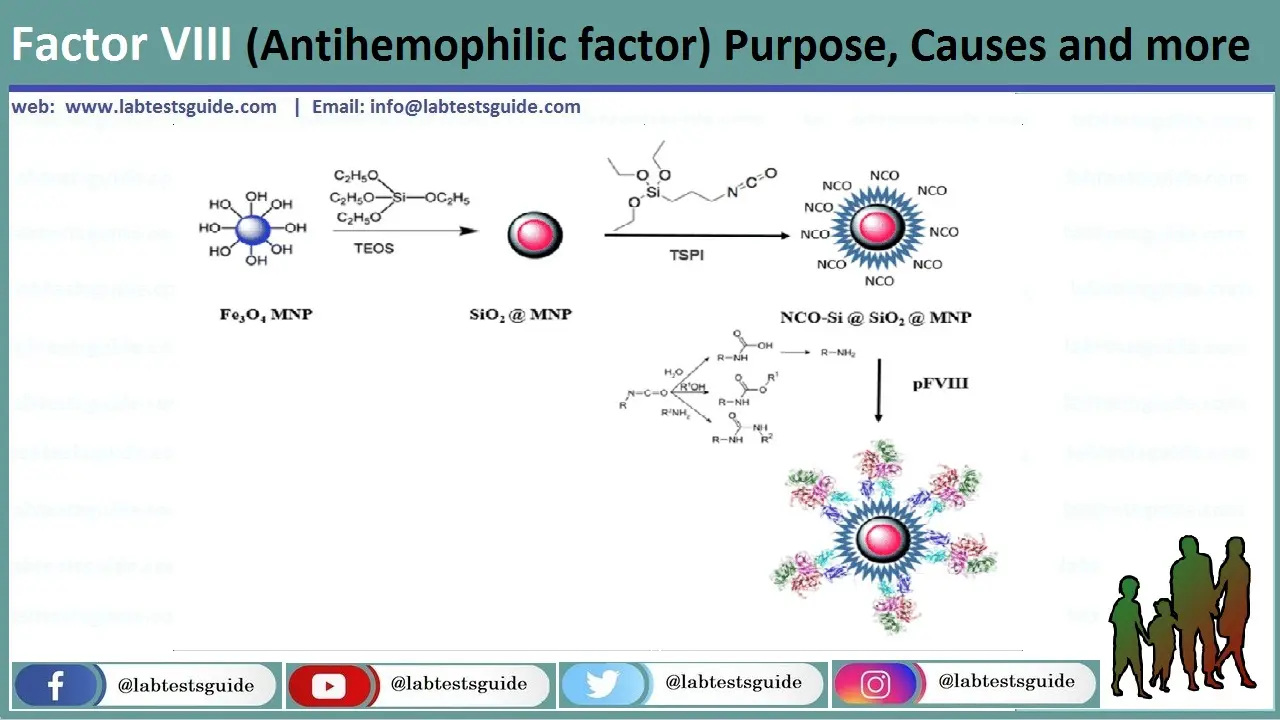
Factor VIII (FVIII) is an essential protein for blood clotting, also known as antihemophilic factor (AHF). In humans, factor VIII is encoded by the…
Factor VII deficiency is a blood clotting disorder that causes excessive or prolonged bleeding after injury or surgery.
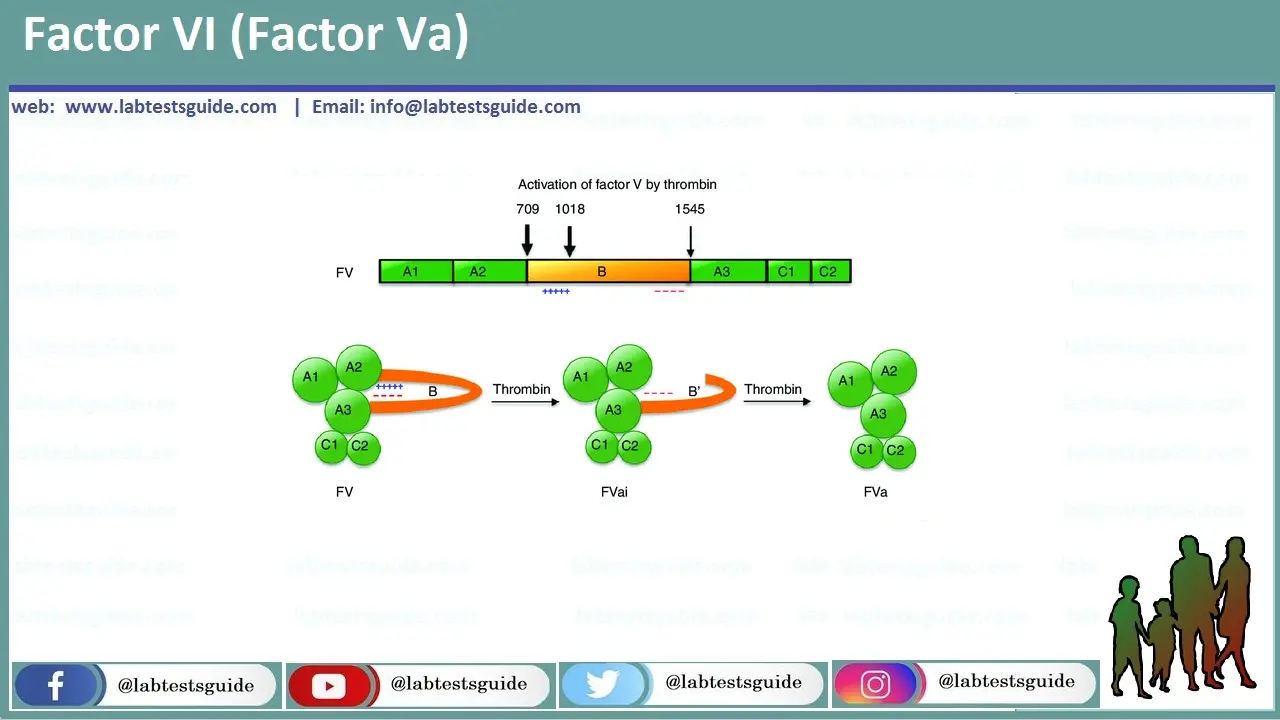
Factor VI is Unassigned – old name of Factor Va. Factor Va is a cofactor for the serine protease factor Xa, and in the…
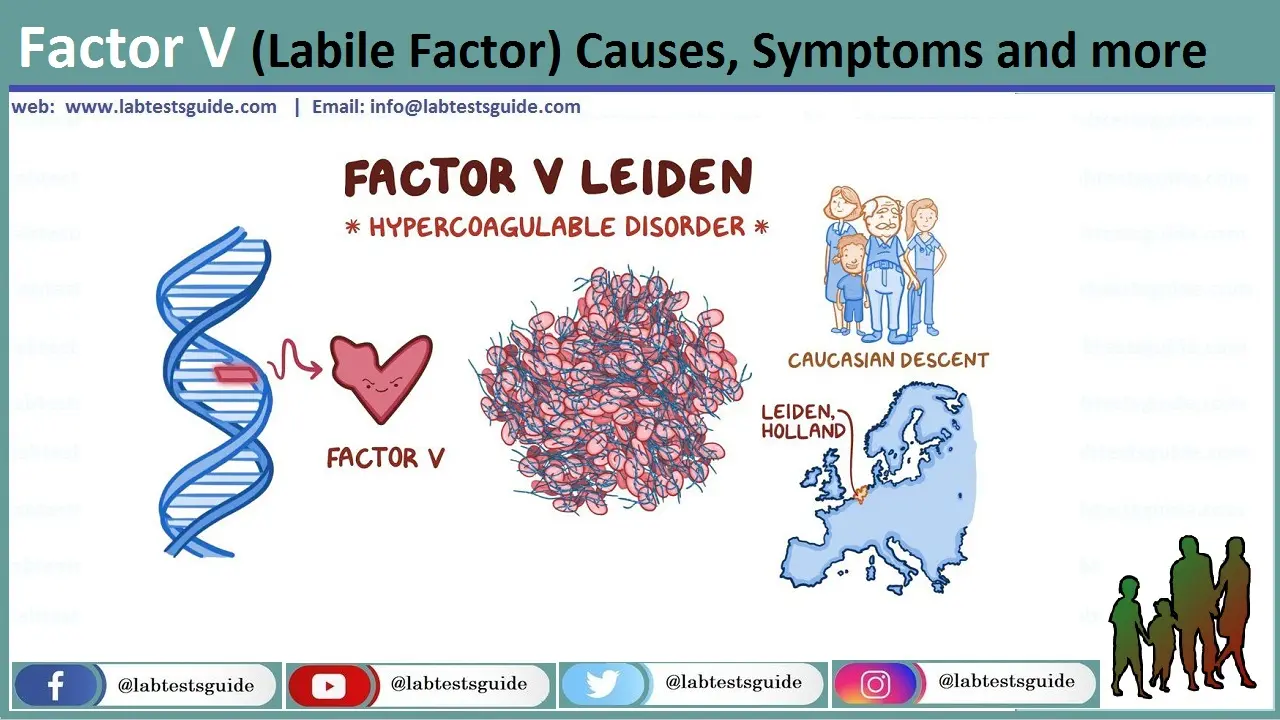
Factor V deficiency is also known as Owren’s disease or parahemophilia. It’s a rare bleeding disorder that results in poor clotting after an injury…
Clotting factor IV is a calcium ion that plays an important role in all 3 pathways. Some of the clotting factors function as serine proteases, specifically factors II, VI, IX, and X.
Although sometimes used synonymously with protein tissue factor (with its official name "Coagulation Factor III [thromboplastin, tissue factor]"), this is a misconception. Historically, thromboplastin…
Coagulation factor II, or prothrombin, is a vitamin K-dependent proenzyme that works in the blood coagulation cascade.
Factor I deficiency is a collective term for three rare inherited fibrinogen deficiencies. Fibrinogen helps platelets unite to form the initial "plug" after an…
Coagulation factors are proteins in the blood that help control bleeding. It has several different clotting factors in the blood.
Coagulation factors are proteins in the blood that help control bleeding. It has several different clotting factors in the blood.
Coagulation factors are proteins in the blood that help control bleeding. It has several different clotting factors in the blood.
Get fresh content from Lab Tests Guide