

A comprehensive review of over 56 million pregnancies finds maternal diabetes associated with increased likelihood of ADHD, autism, and intellectual disability in offspring.
A large-scale study published in The Lancet Diabetes & Endocrinology1 has found that maternal diabetes—including Type 1, Type 2, and gestational diabetes—is linked to a higher risk of neurodevelopmental disorders in children. The research, which analyzed data from 202 studies involving more than 56 million pregnancies worldwide, highlights the potential long-term effects of high blood sugar during pregnancy on a child’s brain development.
Key Findings
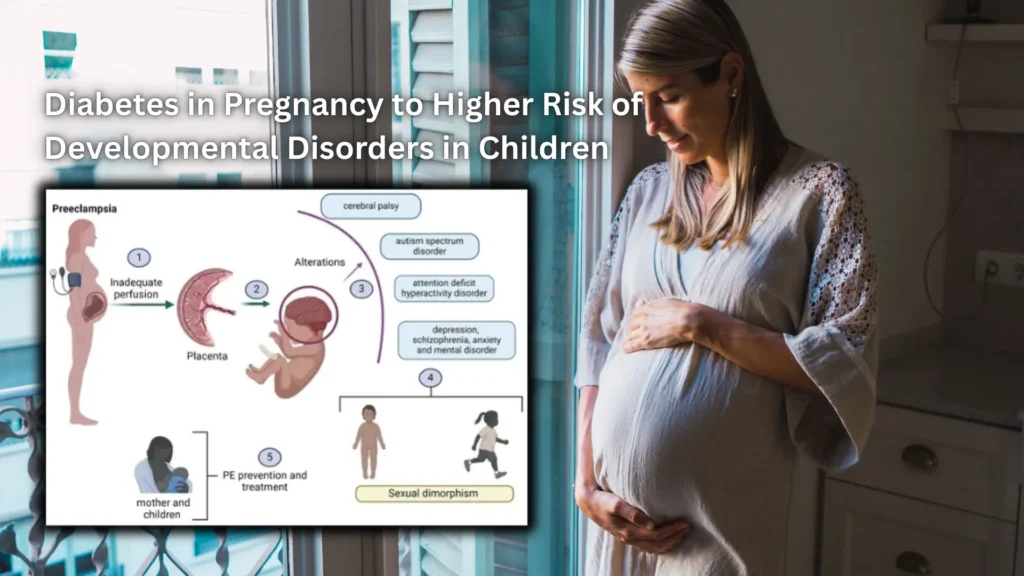
The study revealed that children born to mothers with diabetes during pregnancy were 28% more likely to develop neurodevelopmental conditions such as ADHD, autism, or intellectual disability, even after adjusting for factors like maternal age and body mass index (BMI). The risks were higher for women who had pre-existing diabetes (Type 1 or Type 2) compared to those with gestational diabetes, though severe or prolonged gestational diabetes also increased the likelihood of developmental issues.
“The consistency of the associations is surprising, given how large and diverse the data set was,” said Dr. Fangkun Liu, a co-author of the study and associate professor at Central South University in China.
Possible Mechanisms
While the study does not prove causation, researchers suggest several potential explanations:
- Type 1 diabetes, an autoimmune condition, may increase inflammation in the fetus, raising the risk of autism and ADHD.
- High blood sugar could alter gene expression and disrupt brain development.
- Previous research has linked maternal diabetes to neurological birth defects, such as spina bifida, suggesting glucose levels may impact multiple aspects of fetal brain development.
“We’ve known for some time that elevated glucose levels in pregnancy are associated with neurodevelopmental disorders,” said Dr. Elizabeth Halprin, an endocrinologist at the Joslin Diabetes Center in Boston, who was not involved in the study. “This research underscores the need for better diabetes control during pregnancy.”
Limitations and Unanswered Questions
The study had some gaps:
- It could not fully account for genetic factors, as some sibling studies found no clear link between maternal diabetes and neurodevelopmental disorders.
- Data from low-income regions, where diabetes in pregnancy is highly prevalent, was limited.
- The biggest remaining question is whether tight blood sugar control during pregnancy can reduce these risks.
“As a physician and a parent, I really want to know more about the impact of glucose control treatment in pregnancy,” said Dr. Kartik Venkatesh, director of the Diabetes in Pregnancy Program at Ohio State University.
Recommendations for Expecting Mothers
Experts emphasize the importance of preconception and prenatal care:
- Early screening for diabetes in women of childbearing age.
- Consulting an endocrinologist before pregnancy to optimize blood sugar levels.
- Nutrition and exercise to manage glucose, with insulin being the preferred medication during pregnancy.
While the findings may seem alarming, Dr. Venkatesh reassured that “we have effective treatments for diabetes in pregnancy.” The study calls for further research to determine whether better glucose management can mitigate these risks, offering hope for healthier outcomes for future generations.
- Association between maternal diabetes and neurodevelopmental outcomes in children: a systematic review and meta-analysis of 202 observational studies comprising 56·1 million pregnancies – The Lancet Diabetes & Endocrinology – (Accessed on Apr 09, 2025) ↩︎
References:
- New Study Links Diabetes During Pregnancy to Greater A.D.H.D. Risk in Children – The New York Times – (Accessed on Apr 09, 2025)
