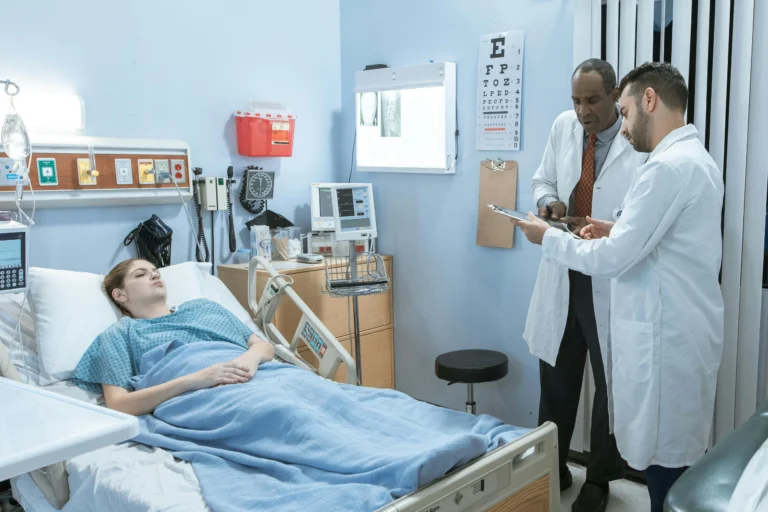

Motorcycle accidents produce injuries at a different rate and severity than passenger vehicle accidents for a reason that’s straightforward in physics if not in consequence: a rider has no protective shell around them. The same collision that produces soft tissue injuries in a car occupant produces fractures, road rash, traumatic brain injuries, and spinal damage in a motorcyclist. The hospitalization rates, the surgery rates, and the long-term disability rates from motorcycle accidents are significantly higher than from equivalent-speed vehicle collisions.
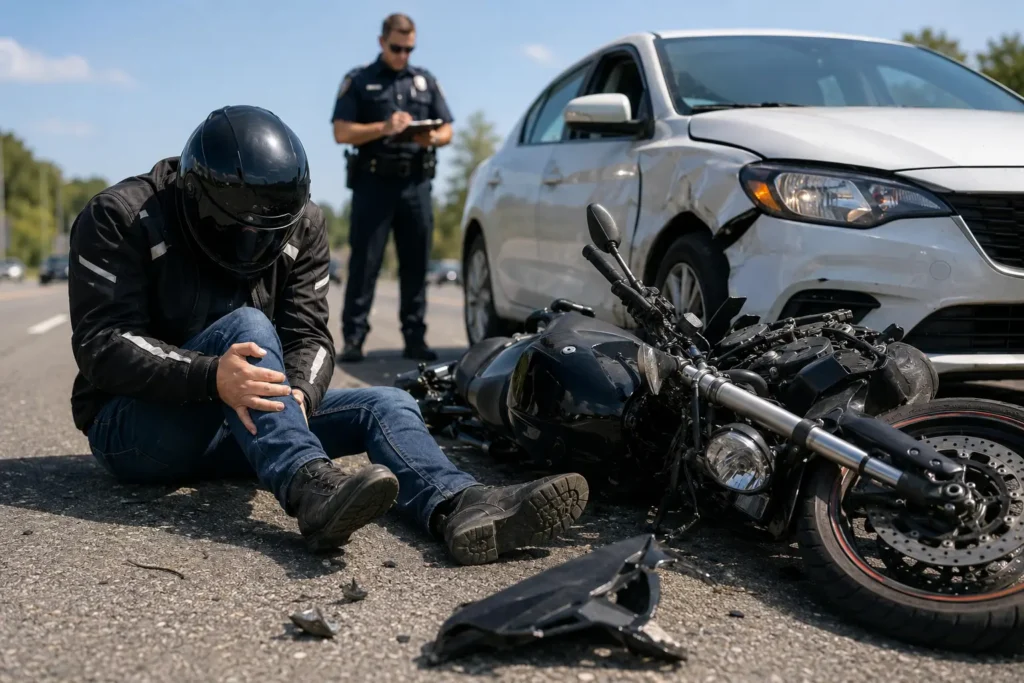
The claims that follow motorcycle accidents are also consistently more contested than standard car accident claims — for reasons that have nothing to do with the physics and everything to do with bias. Motorcycle riders face a persistent cultural assumption that they were riding recklessly, regardless of whether the evidence supports it. Insurance adjusters apply this assumption in ways that affect initial settlement offers. Juries carry it into deliberations in cases that go to trial. A motorcycle accident claim that isn’t built to anticipate and counter this bias produces worse outcomes than one that addresses it directly from the beginning.
The Law Office of Brent D. Rawlings handles motorcycle accident cases across California with the specific approach these claims require — building liability clearly, documenting the full scope of injuries, and countering the bias that riders face in the claims process. www.ourclientswin.com is where injured riders and their families reach the firm — no fees unless the case is won.
What Makes Motorcycle Accident Liability More Complex
California is one of the few states that permits lane splitting — riding between lanes of stopped or slow-moving traffic — and its legal status creates a specific liability complication in motorcycle accident claims. While lane splitting is legal in California when done safely, insurance adjusters frequently argue that a rider who was lane splitting at the time of an accident bears comparative fault regardless of whether the lane splitting was actually a contributing factor.
This argument needs to be addressed with evidence rather than ignored. If the accident occurred because a vehicle changed lanes without signaling into a lane-splitting rider, the vehicle driver’s negligence is the cause — not the rider’s lane position. Building that case requires documentation of the vehicles’ positions, their movements, and the sequence of events that produced the collision. Witness statements, traffic camera footage, and accident reconstruction analysis contribute to establishing what actually happened as opposed to what the insurer’s narrative suggests.
Helmet use affects both the injury picture and the comparative fault argument in California motorcycle cases. California requires helmets, and a rider who was not wearing a helmet faces arguments that their head injuries are self-inflicted to some degree. Countering this requires medical expert testimony establishing the relationship between the specific injuries and the collision rather than the helmet status — a technical argument that affects damages significantly in cases involving traumatic brain injury.
What the Full Damages Picture Looks Like in Serious Motorcycle Cases
The economic damages in serious motorcycle accident cases extend considerably beyond the emergency room visit. Orthopedic injuries requiring surgery, followed by extended rehabilitation. Traumatic brain injuries requiring neurological evaluation, cognitive rehabilitation, and ongoing monitoring. Spinal injuries with potential long-term effects on mobility and function. Each of these involves future medical costs that need to be projected accurately and included in the damages calculation before any settlement is reached.
Lost earning capacity is particularly relevant in motorcycle accident cases involving serious injury because the physical demands of recovery frequently prevent return to work for extended periods — and in cases of permanent impairment, may affect earning capacity permanently. Economic expert testimony establishing the projected career impact of the injury is a standard component of serious motorcycle accident claims.
The Law Office of Brent D. Rawlings builds motorcycle accident cases with the full damages picture in mind from the beginning — identifying all liable parties, preserving all available evidence, and developing the expert testimony necessary to establish both liability and the complete scope of what the accident has cost. For riders in California who have been injured in a motorcycle accident, the free consultation is where the case assessment starts.