

The Future is Now: Dental Health Trends Reshaping Patient Care in 2026
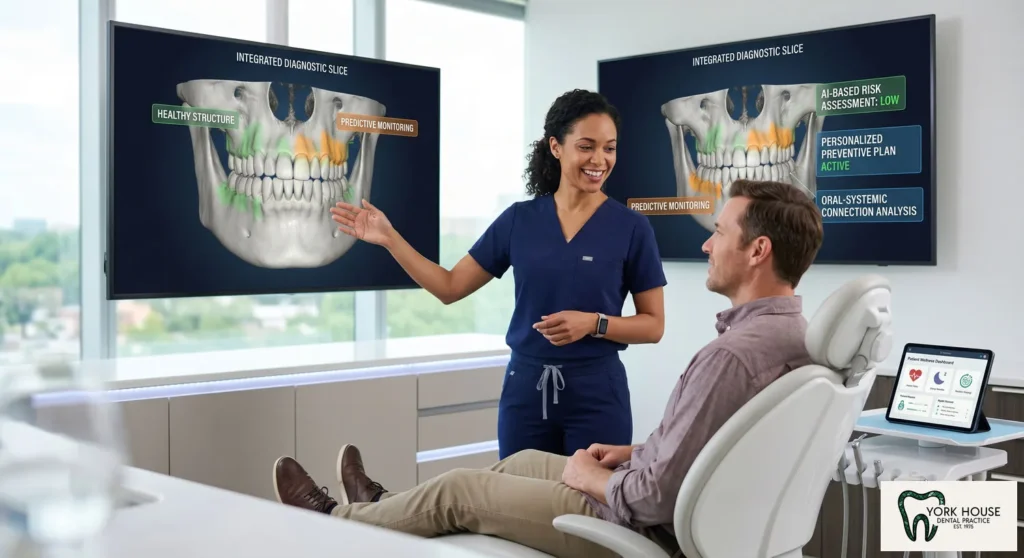
The landscape of dental health is undergoing a profound transformation. Gone are the days when a visit to the dentist was merely a reactive measure—prompted only by the sudden onset of a toothache. As we move deeper into 2026, the dental industry is shifting rapidly toward a model of predictive, personalized, and deeply integrated care. From the implementation of artificial intelligence in diagnostics to a renewed focus on the oral-systemic connection, modern dental care is about optimizing your overall well-being. For patients seeking practical insights into how their care is evolving, understanding these trends is the first step toward achieving optimal oral health. This article explores the most significant innovations driving the dental field forward, offering a glimpse into how technology and holistic philosophies are reshaping the patient experience.
Artificial Intelligence: The New Standard in Diagnostics
One of the most exciting developments in 2026 is the seamless integration of artificial intelligence into daily clinical workflows. AI is no longer a futuristic concept; it is an indispensable tool in modern operatories. Advanced machine learning algorithms are trained on millions of dental radiographs, allowing them to detect the earliest signs of tooth decay and periodontal bone loss with unprecedented accuracy. These AI systems can identify microscopic anomalies long before they become visible to the human eye, enabling preventive interventions rather than invasive treatments.
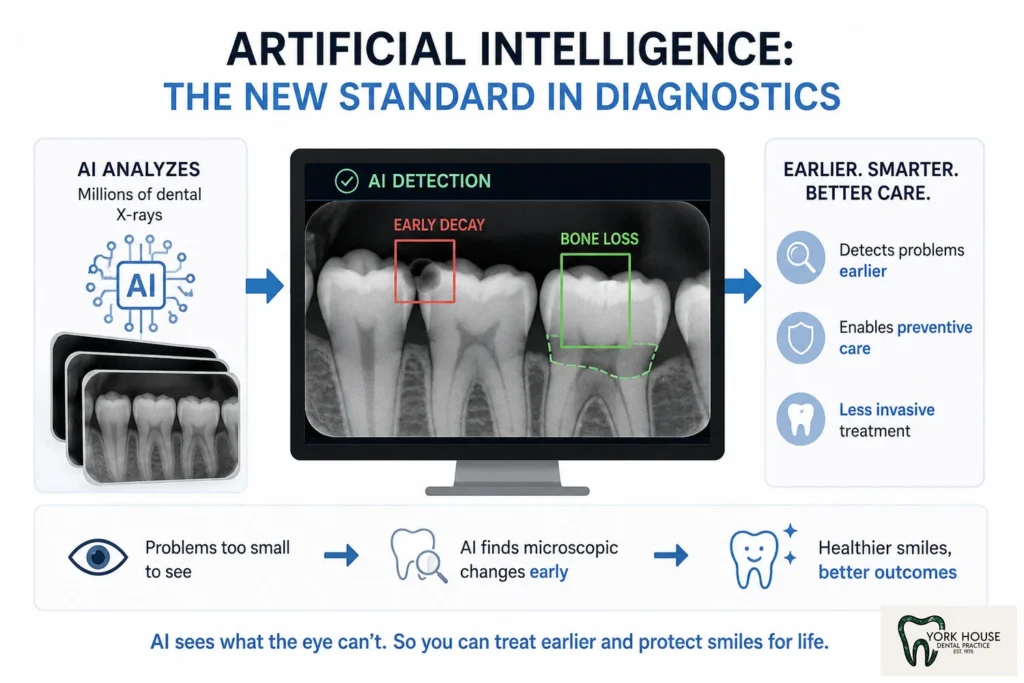
Furthermore, AI aids in complex treatment planning, such as orthodontic realignments and implant placements, by calculating precise spatial relationships within the jaw. Forward-thinking comprehensive dental care clinics are actively adopting these intelligent digital workflows to elevate the standard of care. When patients visit a clinic equipped with AI diagnostics, they benefit from a collaborative approach where the dentist’s seasoned expertise is perfectly augmented by cutting-edge data analysis.
The Oral-Systemic Link: Dentistry Meets Whole-Body Health
Historically, dental care and general medical care were treated as entirely separate disciplines. In 2026, that wall has crumbled. Medical and dental professionals universally recognize the oral-systemic link—the proven connection between the health of the mouth and the rest of the body. Chronic inflammation in the gums is no longer viewed merely as an isolated issue; it is a recognized risk factor for systemic conditions, including cardiovascular disease and diabetes.
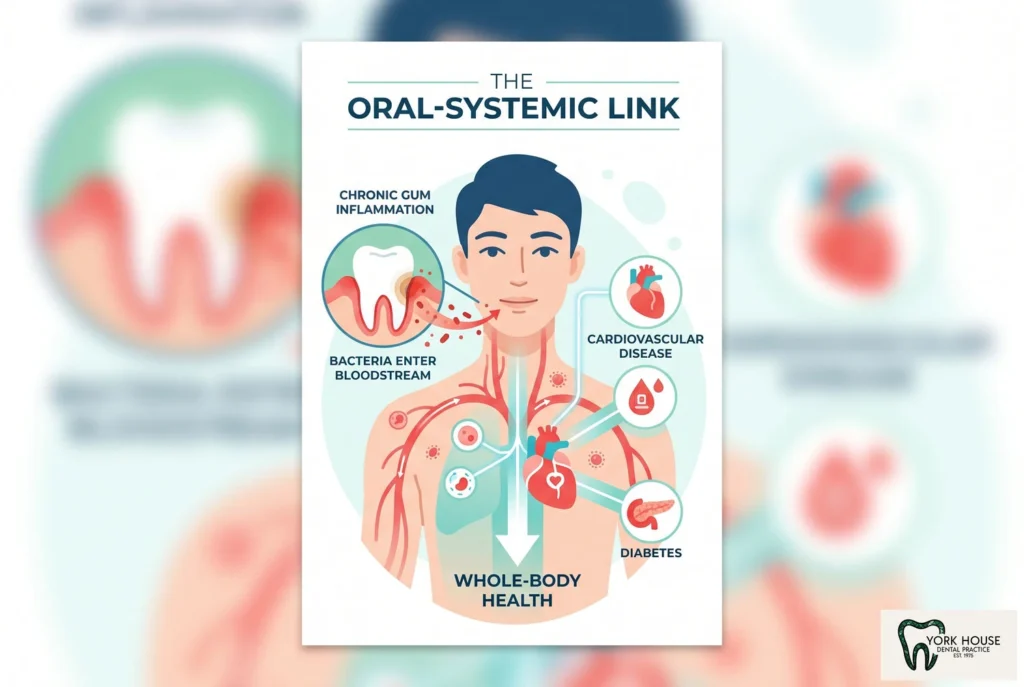
Because of this paradigm shift, dental check-ups have evolved into comprehensive health screenings. Dentists are utilizing salivary diagnostics to evaluate the oral microbiome, identifying genetic markers that predispose patients to systemic inflammation. There is also a surging demand for biocompatible materials, ensuring restorative work is harmonious with the body. Modern dental industry platforms continuously update practitioners on the latest research, ensuring providers remain at the forefront of this integrative health movement. Patients are encouraged to view oral hygiene as a fundamental pillar of overall longevity.
Teledentistry and the Rise of Smart Oral Care Technology
The convenience of remote healthcare has firmly cemented itself as a permanent fixture in dentistry. Teledentistry now accounts for a significant portion of preliminary consultations, post-operative follow-ups, and urgent care triage. For patients experiencing a dental emergency, a virtual consultation can provide immediate guidance, alleviating anxiety and ensuring that in-office time is strictly reserved for necessary treatment.
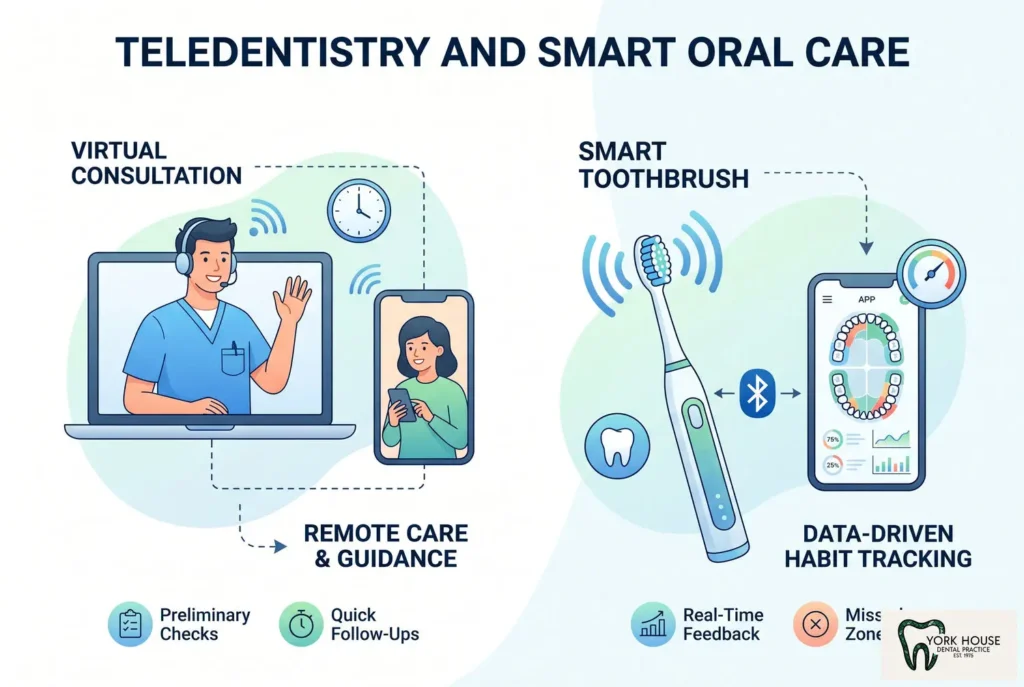
Alongside teledentistry, the consumer market is flooded with smart oral care technology. High-tech toothbrushes equipped with Bluetooth connectivity sync with smartphone applications to track brushing habits, monitor pressure, and provide real-time feedback on missed zones. These devices transform daily hygiene into an interactive, data-driven health practice. Dentists can review this data during routine visits, offering tailored advice based on actual habits. This continuous loop of data empowers patients to take proactive control of their dental health between professional cleanings.
Advancements in Oral Surgery and Clinical Patient Comfort
While preventive care is the ultimate goal, restorative and surgical interventions remain a vital component of dentistry. In 2026, complex procedures such as full-mouth reconstructions and multiple implant placements have become safer and more predictable. 3D printing technology allows for the chairside creation of surgical guides, drastically reducing the time patients spend in the dental chair. Guided implant surgery ensures that implants are placed with millimeter precision, minimizing tissue trauma.
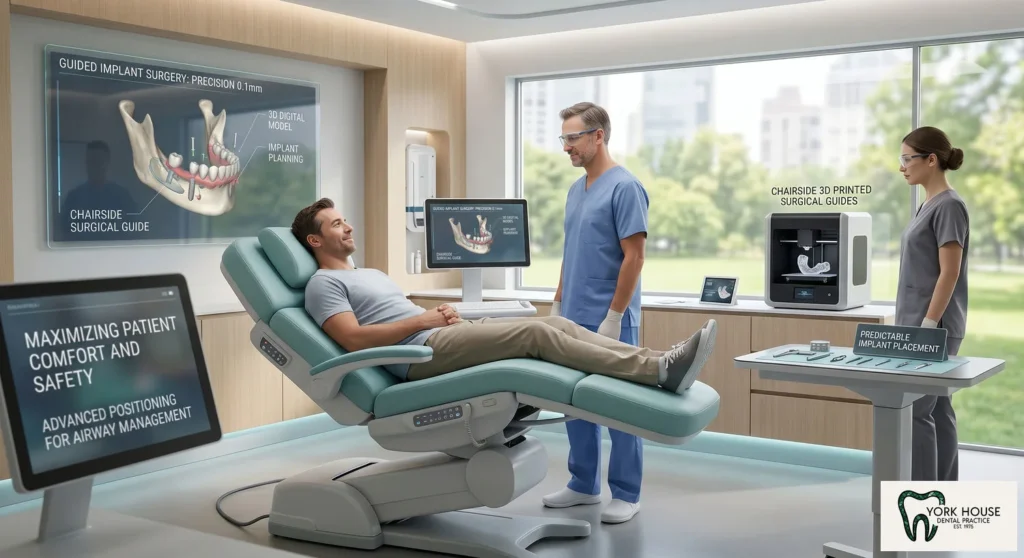
As procedures become more advanced, the focus on clinical ergonomics and patient comfort intensifies. For extensive maxillofacial surgeries that require prolonged recovery times, the physical environment of the clinical setting is paramount. Patient positioning is critical for both procedure success and individual safety. High-quality clinical furniture, including adjustable medical recovery beds, plays a crucial role in ensuring proper airway management during surgery and maximizing comfort during the initial stages of post-operative healing.
Empowering the Patient Through Education and Transparency
The future of dental health is also defined by enhanced patient education and financial transparency. Patients today are more informed than ever before. They expect clear, jargon-free explanations of their diagnoses and detailed breakdowns of their treatment options. Dental practices are responding by utilizing visual aids, such as 3D digital models of the patient’s own mouth, to co-diagnose and plan treatments collaboratively.
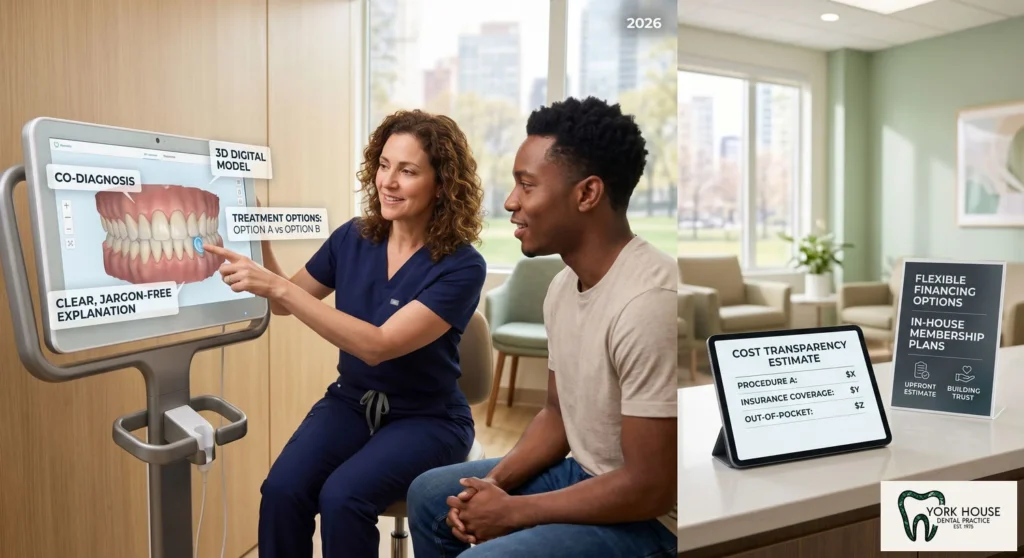
Cost transparency has become a non-negotiable expectation. With the complexities of dental insurance, patients want upfront, accurate estimates of their out-of-pocket expenses before committing to a care plan. Practices that provide clear financial pathways, including in-house membership plans and flexible financing, build deeper trust. By removing the financial guesswork, clinics allow patients to focus entirely on achieving their best possible health outcomes.
Conclusion
The dental health trends of 2026 indicate an industry that is rapidly advancing toward a more intelligent, holistic, and patient-centered future. Artificial intelligence, advanced biomaterials, and digital workflows are removing the guesswork from diagnostics and treatment, while a deeper understanding of the oral-systemic link is elevating dentistry’s role in overall healthcare. Whether it is utilizing smart toothbrushes at home, benefiting from AI diagnostics, or recovering comfortably on specialized clinical furniture after a major procedure, every aspect of the dental experience is optimized for better outcomes.
For patients, the takeaway is clear: oral health is a critical investment in your long-term vitality. By staying informed about these trends and partnering with forward-thinking professionals, you can take a proactive approach to your health. The future of dentistry is not just about treating disease; it is about empowering you to live a healthier life.
This discussion breaks down upcoming technological shifts and economic expectations shaping the dental profession in the near future.
