

Long-Term Air Pollution Exposure Linked to Dangerous Blood Clots
New research has uncovered a troubling link between long-term exposure to air pollution and the development of venous thromboembolism (VTE), a serious condition involving blood clots in deep veins that can lead to life-threatening complications.
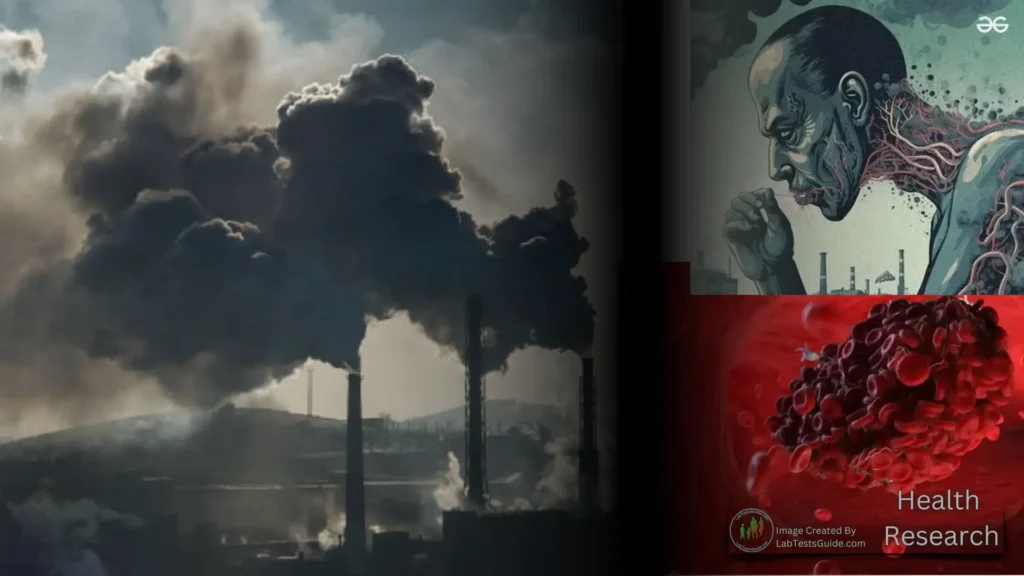
The Findings: A Comprehensive Study
A longitudinal study funded by the National Institutes of Health (NIH) tracked 6,651 adults across six U.S. cities for an average of 17 years. The study found that exposure to particulate matter, nitrogen dioxide, and nitrogen oxides significantly increased the risk of VTE.
Over the study period, 248 participants (3.7% of the sample) developed blood clots that required hospitalization. Those exposed to higher levels of fine particulate matter (PM2.5), commonly emitted from sources such as vehicle exhaust, coal-burning power plants, and forest fires, faced a 39% greater risk of VTE compared to individuals exposed to lower levels. Meanwhile, exposure to nitrogen dioxide and nitrogen oxides, primarily from vehicle emissions, elevated the risk by up to 174%.
Understanding VTE and Its Risks
Venous thromboembolism encompasses two conditions:
- Deep vein thrombosis (DVT): Blood clots form in deep veins, often in the legs, arms, or internal organs.
- Pulmonary embolism (PE): A clot travels to the lungs, potentially blocking blood flow and causing severe complications.
Both conditions are significant health threats, affecting up to 900,000 Americans annually. While VTE is commonly associated with factors like surgery, prolonged inactivity, or underlying medical conditions, the study highlights air pollution as a previously underestimated risk factor.
Mechanisms Behind the Link
Researchers suggest that air pollution promotes inflammation, a known contributor to blood clotting. Fine particles can penetrate deep into the lungs and bloodstream, triggering a cascade of reactions that increase the likelihood of clot formation.
“Air pollution’s health effects clearly extend beyond respiratory diseases,” said Pamela Lutsey, a lead researcher from the University of Minnesota School of Public Health. “Our findings show that even individuals without prior respiratory issues face heightened risks of serious blood clotting diseases.”
Implications and Recommendations
The study calls for stricter air quality regulations to reduce exposure to harmful pollutants. Researchers advocate targeting fine particulate matter and nitrogen oxides to mitigate health risks, particularly in urban areas with high pollution levels.
While further research is needed to explore potential interventions, the findings underscore the importance of addressing environmental factors to improve public health.
Broader Health Concerns
Air pollution has long been associated with respiratory and cardiovascular diseases, but this study expands its known impacts to include blood clot risks. These results join a growing body of evidence highlighting the need for comprehensive strategies to reduce pollution and its wide-ranging effects on human health.
As cities continue to grapple with air quality challenges, the study serves as a stark reminder of the far-reaching consequences of pollution—and the urgency of taking action to protect vulnerable populations.
References
- New Study Finds Alarming Link Between Air Pollution and Dangerous Blood Clots – Sci Tech Daily – (Accessed on Dec 13, 2024)
- Air pollution impacts heart health — and more headlines – WGN 9 – (Accessed on Dec 13, 2024)
- Chronic exposure to air pollution associated with increased risk of blood clots – News and events – (Accessed on Dec 13, 2024)
- Long-term exposure to air pollution linked to blood clots in veins that bring blood to the heart – NIH – (Accessed on Dec 13, 2024)
