

GLP-1 receptor agonists such as semaglutide and tirzepatide have become some of the most widely used medications for weight management and type 2 diabetes. As with any prescription therapy, understanding the monitoring that accompanies treatment helps patients set realistic expectations and stay safe throughout their journey.
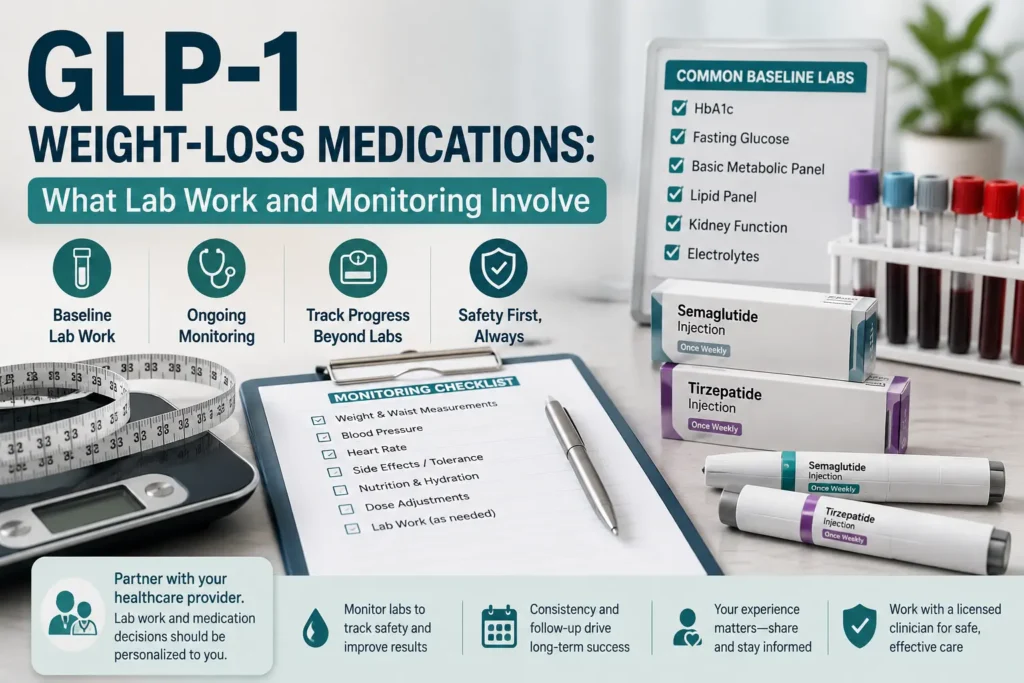
Before starting a GLP-1, a clinician typically reviews a patient’s full medical history and may order baseline lab work. Common tests include HbA1c and fasting glucose to assess blood-sugar control, a basic metabolic panel to check kidney function and electrolytes, and a lipid panel to establish a cardiovascular baseline. For patients who also have type 2 diabetes, these markers double as a way to track how well the medication is working over the following months.
During treatment, periodic follow-up matters more than many people expect. GLP-1s slow gastric emptying and reduce appetite, which is central to how they produce results, but it also means hydration and nutrition deserve real attention. Clinicians often keep an eye on kidney function, particularly in patients who experience significant nausea, vomiting, or reduced fluid intake during the early weeks. Individuals with a personal or family history of pancreatitis or certain thyroid conditions are usually screened carefully before a prescription is written, and any severe or persistent abdominal pain should be reported promptly.
Not all monitoring happens in a laboratory. Body weight and waist measurements, blood pressure, resting heart rate, and how a patient feels day to day are just as informative as bloodwork. Many people notice reduced food cravings and smaller portions within the first few weeks, while changes on the scale tend to appear more gradually over several months. Keeping a simple log of doses, side effects, and measurements makes follow-up appointments far more productive.
Cost is a practical part of the monitoring picture too, because seeing meaningful results depends on staying on treatment long enough for the medication to work. Brand-name options can exceed a thousand dollars per month at retail pharmacies, while compounded versions of the same active molecules are considerably more affordable through licensed telehealth providers. Independent resources that track the cost of GLP-1 medications can help patients compare cash-pay options side by side and understand exactly what they are paying for before they commit to a program.
Finally, monitoring is a two-way process. Patients who communicate openly about side effects, appetite changes, and lifestyle factors give their clinicians the information needed to adjust the dose safely. Lab work and medication decisions should always be guided by a licensed clinician who knows the individual’s complete health history, rather than by generic advice found online.
