Eosinophilia
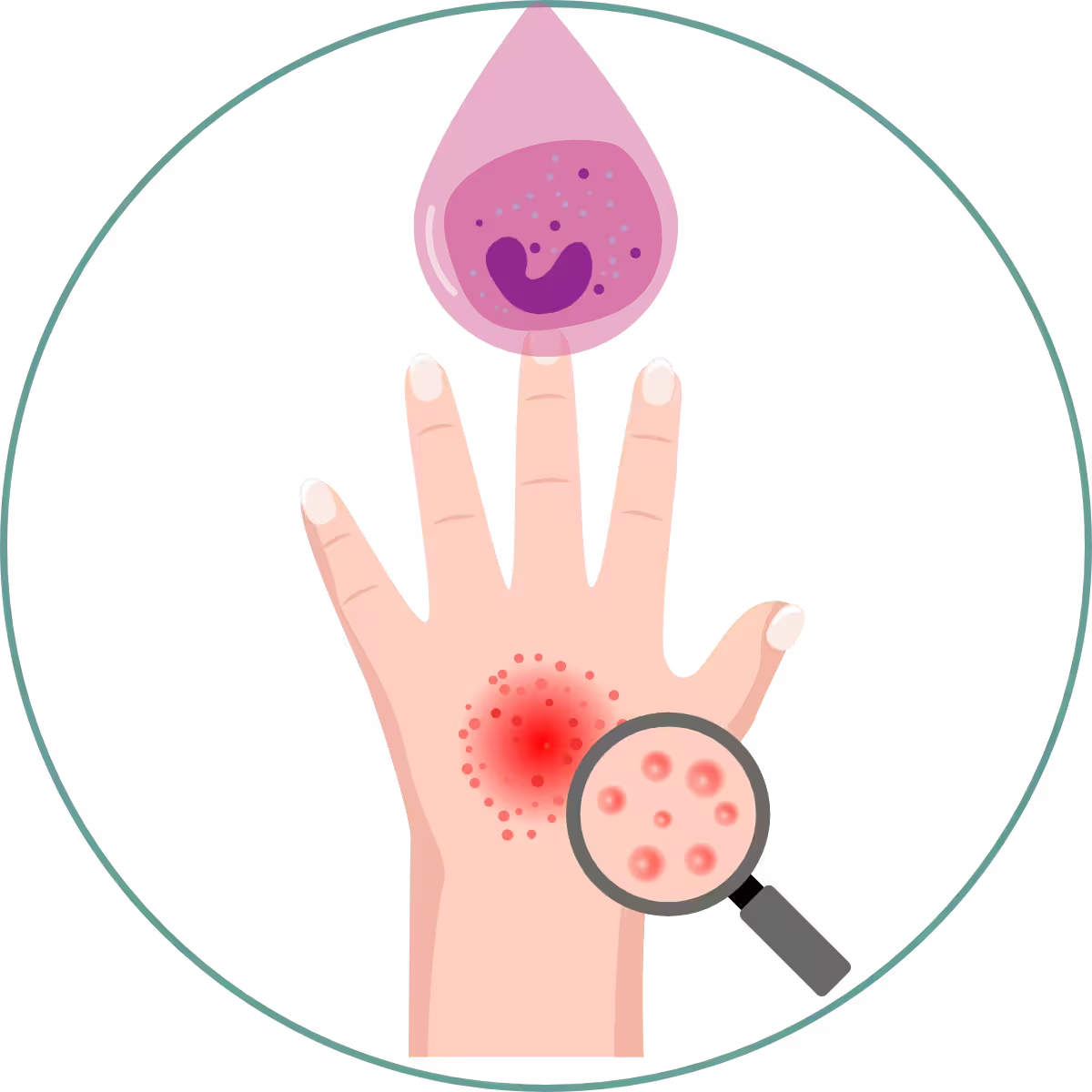
Eosinophilia is a condition in which there is an increased number of eosinophils (a type of white blood cell) in the blood. It is often associated with allergic disorders, parasitic infections, autoimmune diseases, or certain blood disorders.
🚨 Seek Urgent Medical Care
Get immediate help if eosinophilia is associated with:
- Severe breathing difficulty or wheezing.
- High fever with rash or systemic illness.
- Chest pain or heart symptoms.
- Severe abdominal pain or persistent vomiting.
- Sudden swelling of face, lips, or throat.
📞 Consult a Doctor
Seek medical advice if:
- Persistent fatigue or unexplained weakness.
- Chronic allergic symptoms.
- Repeated parasitic infections.
- Abnormal blood test showing elevated eosinophils.
Common Symptoms & Causes
| Finding / Symptom | Possible Cause |
|---|---|
| High eosinophil count | Blood test abnormality |
| Skin rashes or itching | Allergic reactions |
| Wheezing or asthma symptoms | Asthma |
| Abdominal pain or diarrhea | Parasitic infections |
| Fatigue and weight loss | Chronic inflammation or hematologic disease |
Causes by Category
Asthma: Chronic airway inflammation.
Allergic rhinitis: Nasal allergies.
Eczema: Skin allergic condition.
Parasitic infections: Helminths (worms) are a major cause worldwide.
Fungal infections: Can trigger immune response.
Chronic infections: Long-standing immune stimulation.
Autoimmune diseases: Immune system overactivity.
Blood disorders: Hypereosinophilic syndrome.
Medications: Drug-induced eosinophilia.
Diagnostic Procedures
Complete Blood Count (CBC)
Measures eosinophil levels in blood.
Allergy Testing
Identifies allergic triggers.
Stool Examination
Detects parasitic infections.
Bone Marrow Biopsy
Evaluates blood disorders and abnormal cell production.