
Dysphagia (Difficulty Swallowing)
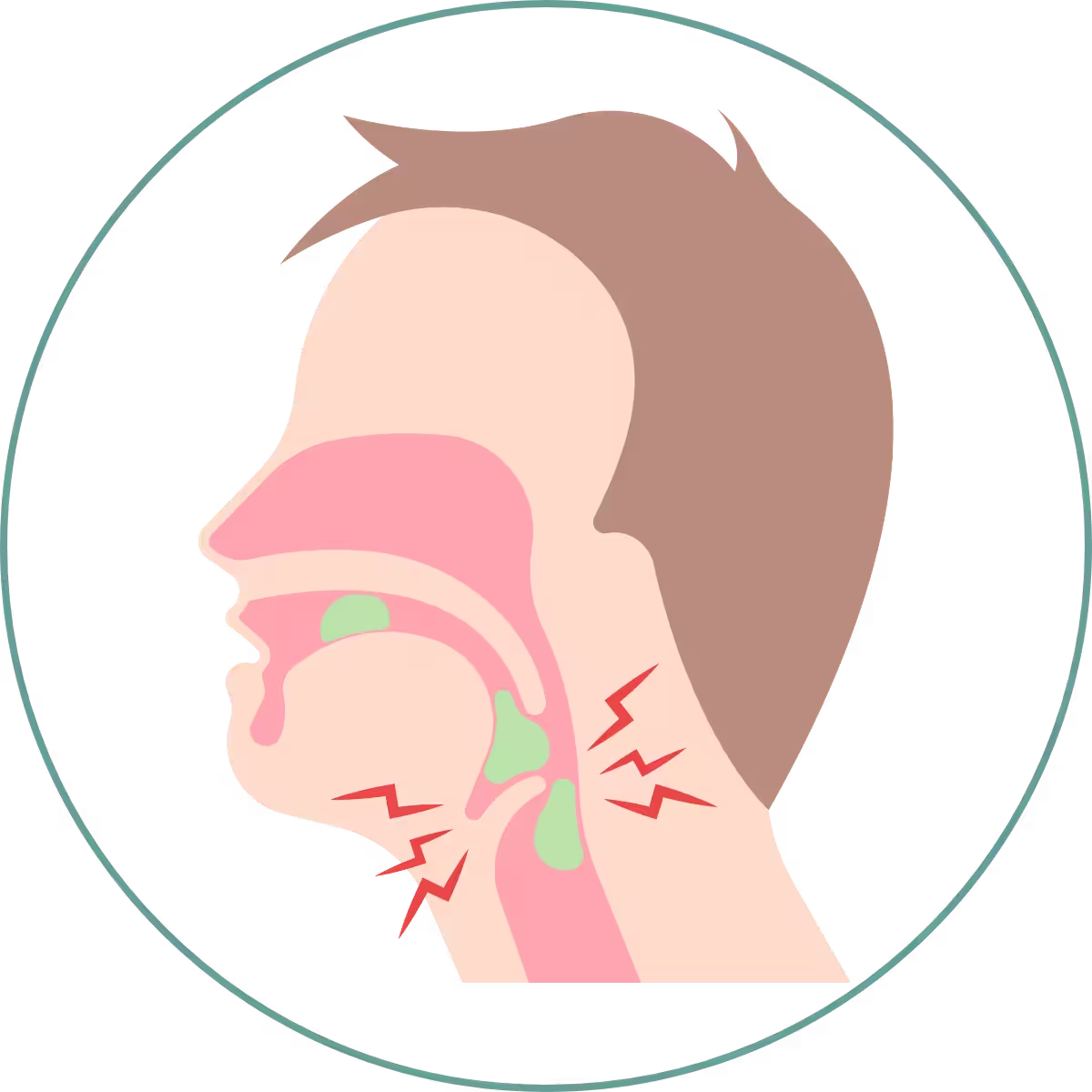
Dysphagia is difficulty swallowing food or liquids. It can occur due to problems in the throat, esophagus, or nervous system and may be associated with conditions such as stroke, neurological disorders, or structural blockages in the digestive tract.
🚨 Seek Emergency Care
Get urgent medical help if you have:
- Sudden inability to swallow food or liquids.
- Choking or coughing while eating.
- Drooling or inability to manage saliva.
- Signs of stroke (facial droop, weakness, speech difficulty).
- Severe chest or throat pain with swallowing.
📞 Consult a Doctor
Medical evaluation is recommended if:
- Swallowing difficulty persists or worsens.
- You experience weight loss or poor appetite.
- Food feels stuck in the throat or chest.
- You have recurrent chest infections after eating.
Common Symptoms & Causes
| Symptom | Possible Cause |
|---|---|
| Difficulty swallowing solids | Esophageal stricture |
| Difficulty swallowing liquids | Neurological disorders |
| Pain while swallowing | Esophagitis |
| Food sticking in throat | Esophageal obstruction |
| Coughing during meals | Aspiration risk |
Causes by Category
Stroke: Affects swallowing muscles and coordination.
Parkinson’s disease: Muscle control impairment.
Multiple sclerosis: Disruption of nerve signals.
Esophageal stricture: Narrowing of the food pipe.
Tumors: Growths obstructing swallowing passage.
GERD: Long-term acid damage to esophagus.
Myasthenia gravis: Muscle weakness affecting swallowing.
Aging: Natural decline in muscle strength.
Radiation therapy: Can affect throat muscles.
Diagnostic Procedures
Barium Swallow Test
Visualizes swallowing function using X-ray imaging.
Endoscopy
Examines esophagus for obstruction or inflammation.
Esophageal Manometry
Measures muscle contractions in the esophagus.
Neurological Examination
Assesses nerve function affecting swallowing.