
Dry Mouth (Xerostomia)
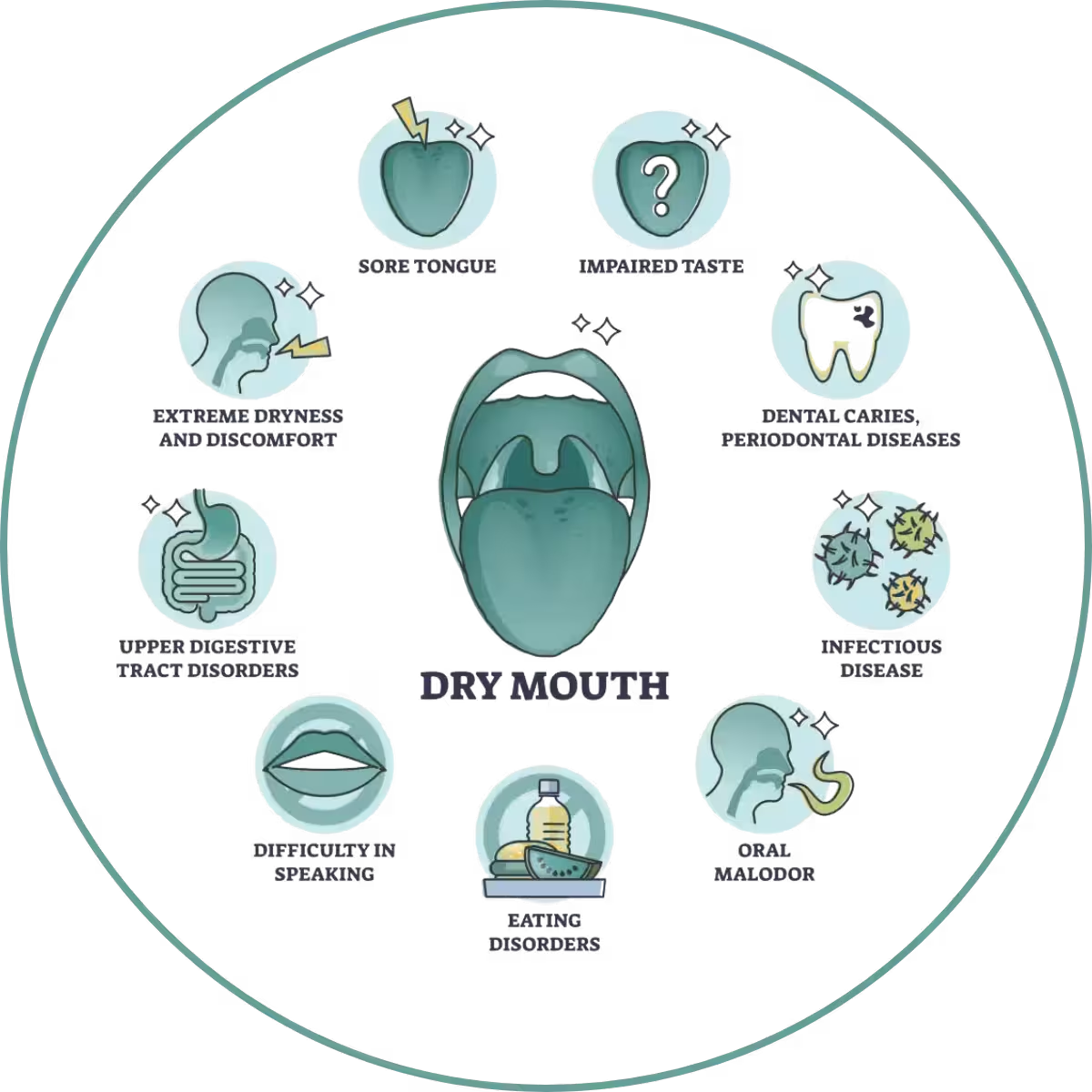
Dry mouth (xerostomia) occurs when the salivary glands do not produce enough saliva. It can lead to difficulty speaking, swallowing, and increased risk of dental problems. Common causes include dehydration, medications, and salivary gland disorders.
🚨 Seek Medical Attention
Seek urgent care if you experience:
- Severe difficulty swallowing or speaking.
- Swelling of face or salivary glands.
- Persistent dry mouth with fever.
- Signs of infection in the mouth.
📞 Consult a Doctor or Dentist
Medical advice is recommended if:
- Dry mouth persists for more than a few days.
- You have frequent cavities or gum problems.
- Speech or swallowing becomes difficult.
- You are taking medications that may cause dryness.
Common Symptoms & Causes
| Symptom | Possible Cause |
|---|---|
| Sticky or dry feeling in mouth | Xerostomia |
| Difficulty swallowing or speaking | Reduced saliva production |
| Bad breath | Dry oral environment |
| Cracked lips or mouth sores | Dehydration |
| Increased tooth decay | Low saliva protection |
Causes by Category
Antihistamines: Can reduce saliva production.
Antidepressants: May cause dry mouth as a side effect.
Blood pressure medications: Can affect salivary glands.
Sjögren’s syndrome: Autoimmune disease affecting glands.
Diabetes: High blood sugar can cause dryness.
Salivary gland disorders: Blockage or inflammation.
Dehydration: Low fluid intake reduces saliva.
Mouth breathing: Especially during sleep.
Smoking or alcohol use: Can worsen dryness.
Diagnostic Procedures
Salivary Flow Test
Measures saliva production levels.
Oral Examination
Checks mouth, tongue, and gums for dryness effects.
Blood Tests
Detects diabetes, autoimmune disease, or deficiencies.
Salivary Gland Imaging
Evaluates blockages or gland inflammation.