

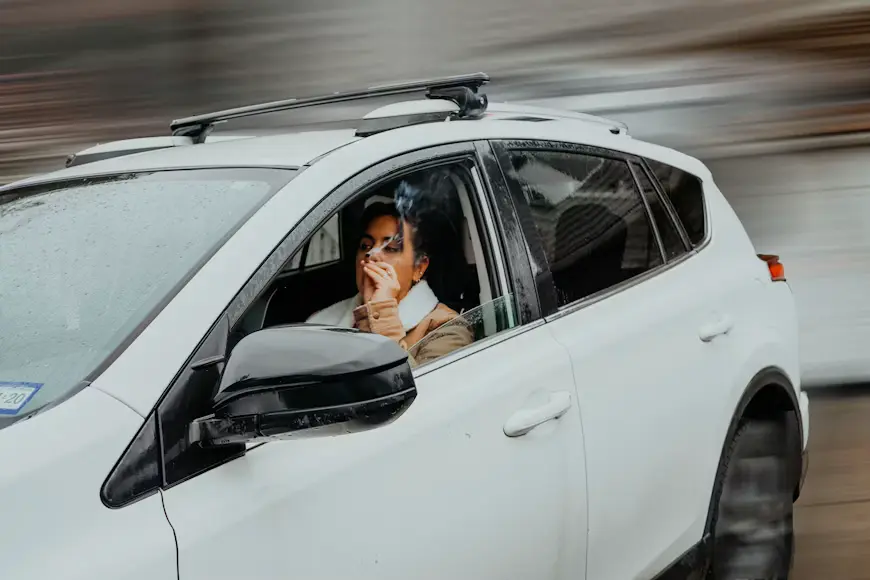
Cannabis legalization has moved faster than the science and policies surrounding impaired driving. Recreational marijuana is now legal in many states. THC beverages are appearing in convenience stores, and edible cannabis products have become increasingly mainstream.
At the same time, lawmakers and public safety officials continue debating how cannabis impairment should be measured. Determining whether someone is truly impaired behind the wheel remains difficult.
Unlike alcohol, cannabis does not fit neatly into a simple legal framework. A driver can test positive for THC long after intoxication fades, especially if they use cannabis frequently.
Meanwhile, some studies show clear driving impairment shortly after cannabis use. On the other hand, others suggest experienced users may no longer be impaired after a period of abstinence.
This growing gap between science, public perception, and legal standards is creating challenges for drivers, physicians, and law enforcement alike.
Cannabis Impairment Does Exist, but It Does Not Behave Like Alcohol
Researchers broadly agree that cannabis can impair driving, especially during active intoxication. Reaction time, lane control, divided attention, and hazard response may all worsen shortly after THC consumption. However, the way cannabis affects drivers differs significantly from alcohol.
Alcohol impairment closely correlates with blood alcohol concentration. THC behaves differently because it is fat-soluble and remains detectable in the body long after psychoactive effects fade. This creates a major legal and scientific complication.
A recent simulator study reported by CTV News found that nearly one-third of participants who consumed edible cannabis crashed during simulated driving tests. Researchers observed slower reaction times and poorer responses to hazards.
The study also highlighted a common issue of delayed onset. Drivers may feel fine initially and underestimate their impairment before the strongest effects occur.
At the same time, impairment severity can vary widely depending on dosage, method of consumption, tolerance, and individual physiology. That variability makes cannabis far harder to regulate than alcohol.
THC Blood Levels May Not Reliably Reflect Driving Ability
One of the biggest debates surrounding cannabis-impaired driving involves THC blood testing. Many current laws rely on specific THC concentration thresholds to determine legal impairment. However, researchers increasingly question whether THC levels accurately reflect real-time driving ability.
A recent study from UC San Diego examined frequent cannabis users after a 48-hour abstinence period. Researchers found no measurable driving impairment during simulator testing, even though some participants still showed detectable THC levels.
Thomas Marcotte, professor of psychiatry at UC San Diego, explained that THC can remain in the bloodstream long after intoxication fades. This means a person may test positive without being meaningfully impaired behind the wheel.
The issue becomes more complicated among frequent users and medical cannabis patients, who may retain THC in their systems for extended periods. Because of this, many specialists now believe THC blood tests alone may not provide a complete picture of actual impairment.
Real-World Crash Data Does Not Always Tell a Simple Story
One of the biggest challenges surrounding cannabis-impaired driving involves interpreting crash statistics accurately. As legalization expands, more drivers naturally test positive for THC after accidents. However, a positive toxicology result does not automatically prove cannabis caused the crash or directly contributed to impaired driving behavior.
A recent investigation from News 5 Cleveland highlighted how complicated these cases can become. Some marijuana-related crash statistics reportedly declined after recreational sales expanded, while certain fatal crashes still involved drivers who tested positive for active THC.
Researchers and law enforcement officials acknowledged that THC may remain detectable long after intoxication fades, making direct causation difficult to establish in many investigations.
The conversation has become increasingly visible in Cleveland as adult-use cannabis access continues expanding. A recent local report also noted the opening of Klutch Cannabis’ downtown Cleveland store last August. The expansion reflects how normalized recreational cannabis retail has become in many communities.
Naturally, this growing accessibility has also raised more questions about road safety, impairment, and driver responsibility. According to Piscitelli Law Firm, in serious crashes involving suspected intoxication, toxicology findings, liability questions, and insurance disputes often overlap.
Victims seek medical care after serious collisions involving suspected impairment. Many also get help after a Cleveland car accident while navigating liability, insurance, and toxicology-related disputes.
Science, Policy, and Public Education Are Still Catching Up
Cannabis legalization has evolved rapidly across North America, but impairment science remains incomplete. Policymakers continue searching for reliable standards that protect public safety without unfairly penalizing unimpaired drivers.
Current research suggests several things can simultaneously be true:
- Driving immediately after cannabis use can be dangerous
- Edibles may create longer and less predictable impairment windows
- Frequent users may develop partial behavioral tolerance
- THC blood levels alone may not reliably indicate intoxication
This complexity makes cannabis policy difficult to simplify into a single number or universal rule.
For now, the safest recommendation remains straightforward. Avoid driving during active intoxication and allow sufficient time after cannabis use, especially with edibles or higher-dose products.
Future cannabis driving laws may eventually rely less on THC concentration alone. Researchers are increasingly exploring behavioral impairment measures, cognitive testing, and improved roadside assessment tools.
FAQs
How long after you smoke is it okay to drive?
There is no universal safe waiting period after smoking cannabis. Impairment can vary depending on THC strength, dosage, tolerance, and individual metabolism. Many researchers recommend waiting several hours after use, especially if you feel slowed, distracted, or mentally impaired before driving.
How long is THC detectable in a breathalyzer?
THC breath detection windows are still being studied and remain less reliable than alcohol breath tests. Some experimental cannabis breathalyzers may detect THC for several hours after recent use. However, researchers still debate whether breath THC levels accurately reflect real-time driving impairment.
Can THC be detected in your blood?
Yes, THC can be detected in blood tests after cannabis use. In frequent users, detectable THC may remain in the bloodstream long after intoxication fades. This is one reason many researchers argue that blood THC levels alone may not accurately measure active impairment.
Key Takeaways
| Nearly one-third of participants who consumed edible cannabis crashed in a simulator study | Highlights the potential driving risks linked to edible THC products |
| 48-hour abstinence period in the UCSD study | Frequent cannabis users showed no measurable impairment after two days without use |
| Detectable THC remained in some participants after 48 hours | Suggests THC presence may not always indicate active intoxication |
As cannabis products become more normalized, conversations surrounding impaired driving must become more nuanced as well. Current research clearly shows that active THC intoxication can affect driving performance.
At the same time, studies also suggest that THC blood levels alone may not always reflect real-time impairment, particularly among frequent users. This scientific gray area continues to create challenges for lawmakers, healthcare professionals, and law enforcement agencies.
Public safety depends on more than legalization policies alone. It also requires honest scientific interpretation, stronger public education, and testing methods that accurately measure impairment instead of simple THC presence.
As cannabis access continues expanding through edibles, beverages, and retail dispensaries, policymakers will likely face increasing pressure to update existing laws. Future regulations may need to reflect better how cannabis behaves in the human body and how impairment actually affects drivers on the road.
