

For a long time, photography technology moved toward one goal: perfection. Better sharpness, cleaner colors, faster autofocus, and flawless detail became the standard for modern cameras and smartphones. But in recent years, a completely different trend has started dominating online culture.
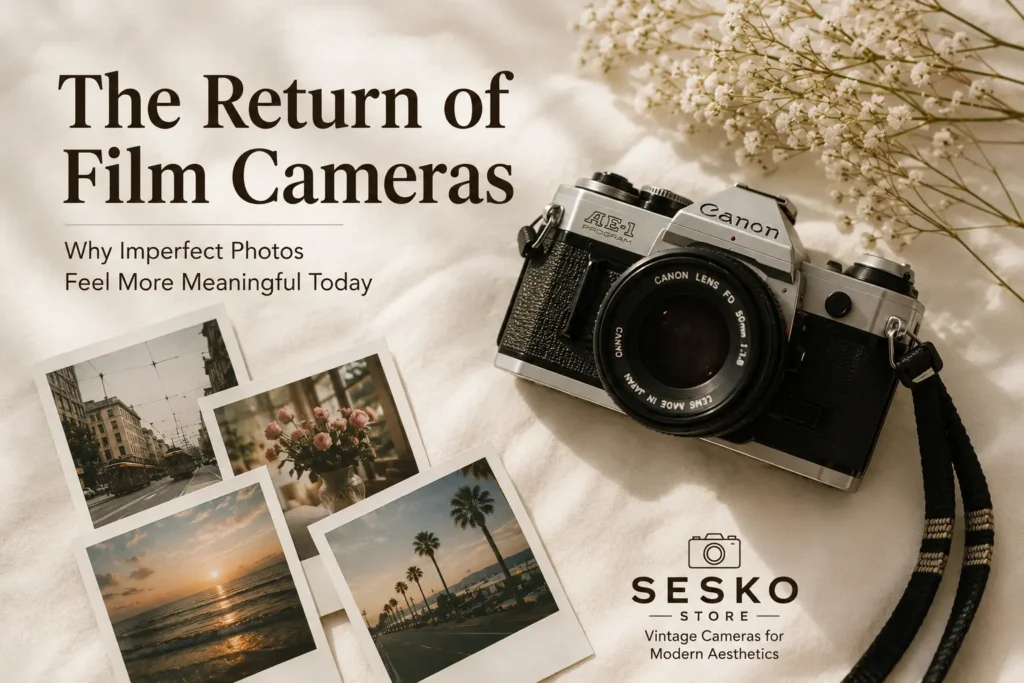
Young women are intentionally choosing imperfect photography again.
Film cameras, disposable cameras, vintage digicams, and retro point-and-shoot cameras are becoming increasingly popular because they create something modern devices often fail to deliver: emotional atmosphere.
The return of analog-style photography is closely connected to how people experience modern digital life. Social media platforms are filled with polished images that often feel repetitive and emotionally distant. Perfect lighting, edited skin, and overly curated content created visual fatigue for many users.
As a result, audiences started gravitating toward photos that feel more natural and spontaneous.
Film photography naturally creates this effect. Grain, light leaks, flash bloom, muted colors, and slight unpredictability make every image feel unique. Even technically imperfect photos often feel emotionally stronger than highly processed smartphone pictures.
For many girls, this style connects deeply with the idea of romanticizing everyday life. Small moments become visually meaningful through nostalgic photography: morning coffee, train rides, beach walks, late-night conversations, messy bedrooms, concerts, flowers, mirrors, books, and city lights all gain a cinematic quality when captured on vintage cameras.
The “main character” aesthetic played a major role in popularizing this movement. Instead of trying to appear flawless online, people want their lives to feel like scenes from an indie movie or forgotten early-2000s memories. Retro cameras perfectly support this visual storytelling style.
Another reason film and vintage digital cameras became popular again is intentionality. Smartphone photography encourages endless shooting without emotional connection. Film cameras slow the process down. You think more carefully before taking each photo, which makes every frame feel valuable.
Many creators also appreciate how older cameras render skin tones and lighting differently. Vintage flash photography often creates softer, warmer images that modern AI-enhanced smartphones struggle to replicate naturally. This unique visual texture became highly desirable across fashion, lifestyle, and travel content.
Travel culture itself strongly accelerated the trend. More girls now bring film cameras or vintage digicams on vacations specifically because the resulting photos feel more emotional. Imperfect beach sunsets, blurry city nights, and candid group pictures often become more memorable than technically perfect smartphone images.
Interestingly, retro cameras also became fashion accessories. Tiny silver cameras, transparent electronics, wrist straps, and colorful camera bags visually complement today’s nostalgic fashion trends. Cameras are no longer just tools — they are part of personal identity and creative self-expression.
Because demand has grown so quickly, finding reliable retro equipment became more difficult. Many secondhand marketplaces sell untested cameras with hidden technical problems. This created demand for curated stores that specialize in functional vintage photography gear.
For people looking to explore nostalgic photography safely, https://sesko.store offers tested film cameras, retro digicams, and vintage camcorders selected specifically for modern aesthetic photography trends.
The growing popularity of retro photography reveals something deeper about today’s generation. People are tired of images that look optimized for algorithms. They want memories with texture, atmosphere, and emotional imperfection.
And sometimes, the most meaningful photos are the ones that are slightly blurry, imperfect, and beautifully real.
