

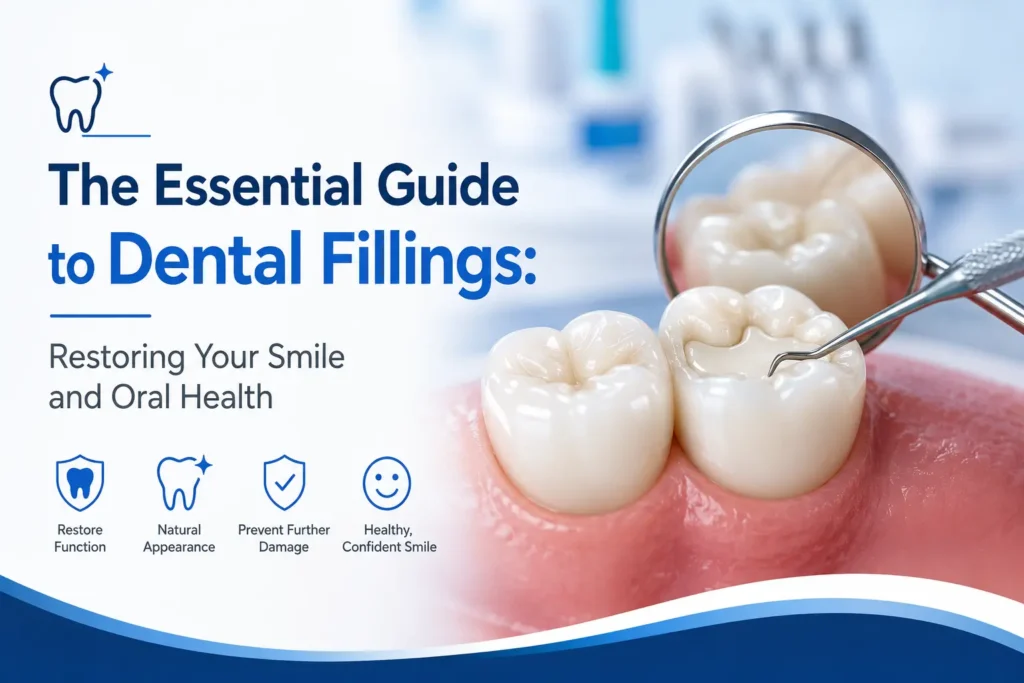
A dental filling is a common and vital restorative treatment in modern dentistry, designed to repair teeth that have been compromised by decay, trauma, or wear and tear. Essentially, a dental filling works by “filling in” areas of damage or decay, restoring the tooth’s original structure, function, and appearance. This procedure is also known as a tooth filling, cavity filling, or dental restoration.
The need for a dental filling is widespread. According to the Centers for Disease Control and Prevention (CDC), approximately 91% of American adults aged 20 or older have experienced at least one cavity in their lifetime, highlighting the prevalence of this procedure across the nation. In the United Kingdom, about 80% of adults report having fillings. This widespread need underscores the importance of understanding what dental fillings are, why they are essential, the materials available, the procedure involved, and how to care for them. Our goal is to provide a comprehensive overview, empowering you to maintain optimal oral health.
Why Dental Fillings Are Essential: Causes, Symptoms, and Necessity
Dental fillings are not merely cosmetic; they are crucial for preventing further damage and preserving the long-term health of our teeth. Untreated dental issues can escalate, leading to more complex and painful problems like infections, severe toothaches, and even tooth loss. As the saying goes, “Dentistry is not expensive, neglect is.”
Causes of Tooth Damage Requiring Fillings
The primary reason we need a dental filling is tooth decay, commonly known as cavities. Cavities form when bacteria in our mouths interact with food particles and saliva, creating plaque. This plaque then adheres to our teeth, producing acids that erode the protective enamel layer. Over time, these acids create small holes or pits in the tooth structure.
Several factors contribute to tooth decay:
- Poor oral hygiene: Inadequate brushing and flossing allow plaque and bacteria to accumulate.
- Diet high in sugars and carbohydrates: Bacteria thrive on sugars, converting them into acids that attack tooth enamel.
- Trauma or injury: Chipped, broken, or cracked teeth can expose the inner layers to decay and damage.
- Wear and tear: Over time, teeth can wear down, making them more susceptible to damage.
- Tooth erosion: Acidic foods and drinks or conditions like acid reflux can erode enamel.
Recognizing the Symptoms: When a Filling Might Be Necessary
Identifying the signs that you might need a dental filling is crucial for early intervention. Prompt treatment can prevent a cavity from deepening and affecting the tooth’s inner structures, potentially avoiding more extensive treatments like root canals.
We should be vigilant for the following symptoms:
- Tooth Sensitivity: A common indicator is sensitivity to hot, cold, or sugary foods and drinks. This sharp, shooting pain or discomfort signals that decay has reached the more sensitive inner layers of the tooth.
- Persistent Toothache or Pain: A nagging, continuous ache, or sharp pain, especially when biting or chewing, can indicate a developing cavity.
- Visible Holes or Pits: These are direct signs of decay and often necessitate a filling.
- Dark Spots or Discoloration: Stains or dark spots on the tooth surface, particularly those that persist after brushing, can be a visual cue of decay.
- Pain When Chewing or Biting: Discomfort when applying pressure to a tooth often suggests underlying damage or decay.
- Food Getting Stuck: If food frequently lodges in certain spots between your teeth, it might indicate a cavity or a gap forming due to wear.
- Damaged or Dislodged Filling: An existing filling that feels loose, has a sharp edge, or has fallen out clearly requires attention.
- Chipped, Broken, or Cracked Tooth: Any visible damage to the tooth structure can expose it to further decay and often warrants a filling.
- Persistent Bad Breath or Unpleasant Taste: Cavities can harbor bacteria, leading to foul odors or an unfamiliar metallic taste in the mouth.
Regular dental check-ups are paramount, as dentists can often detect cavities in their early stages, sometimes even before they break through the enamel, allowing for less invasive treatments or even remineralization.
Exploring Dental Filling Materials and the Procedure
When a dental filling is necessary, our dentist will discuss the best material options, considering factors such as durability, aesthetics, cost, and the location and extent of the cavity.
The Dental Filling Procedure
Receiving a dental filling is generally a straightforward procedure, often completed in a single visit. Here’s what we can typically expect:
- Examination and Diagnosis: Our dentist will first examine our teeth and may take X-rays to assess the extent of the decay or damage and confirm the need for a filling.
- Anesthesia: To ensure our comfort, a local anesthetic will be administered to numb the tooth and the surrounding gum tissue. We might feel a slight pinch, but the area will quickly become numb.
- Decay Removal: Using specialized tools like a dental drill or air abrasion instrument, the decayed or damaged portion of the tooth is carefully removed. The dentist will ensure all affected material is gone.
- Tooth Preparation: The tooth is then thoroughly cleaned and prepared to receive the filling material. For composite resin fillings, an acid gel may be applied to etch the tooth surface, enhancing the bond with the filling.
- Filling Placement: The chosen filling material is then applied. For composite fillings, the material is often applied in layers and hardened with a special light, a process known as curing.
- Shaping and Polishing: Once the material is in place, our dentist will carefully shape it to match the natural contours of our tooth and ensure it blends seamlessly with our bite. The filling is then polished for a smooth finish.
- Bite Check: Finally, our dentist will check our bite to ensure the filling is not too “high” or interfering with our occlusion, making any necessary adjustments.
The entire process typically takes between 20 to 60 minutes, depending on the size and location of the cavity and the type of filling material used.
Caring for Your Dental Fillings and Addressing Common Concerns
Once we have a dental filling, proper care is essential to maximize its lifespan and prevent future oral health issues. Fillings are not permanent and can wear out over time, so vigilance and good habits are key.
Essential Tips for Caring for Your Dental Fillings
Maintaining our dental fillings is largely about maintaining excellent overall oral hygiene:
- Practice Diligent Oral Hygiene: Brush our teeth twice a day for two minutes with fluoride toothpaste and floss daily to prevent plaque buildup around the fillings and reduce the risk of secondary decay. Remember, a filling protects the filled area, but the rest of the tooth is still susceptible to decay.
- Schedule Regular Dental Check-ups: Routine visits allow our dentist to assess the condition of our fillings, identify any potential issues early, and perform professional cleanings.
- Be Mindful of What You Eat: Avoid hard, sticky, or crunchy foods like hard candies, ice, and nuts, which can chip, crack, or dislodge fillings. For a few days after a filling, especially metal ones, it’s best to stick to soft foods and chew on the opposite side of our mouth.
- Monitor for Sensitivity: It’s normal to experience some sensitivity to hot or cold temperatures after a filling, which usually subsides within a few days to a couple of weeks. If sensitivity persists or worsens, contact our dentist, as it could indicate a problem.
- Avoid Using Teeth as Tools: Refrain from using our teeth to open packages or bite on non-food items, as this can damage both our natural teeth and our fillings.
- Consider a Mouthguard: If we participate in sports or grind our teeth (bruxism) at night, a mouthguard can protect our fillings and natural teeth from excessive force.
- Limit Staining Agents: Some filling materials, particularly composite resins, can stain over time. Limiting consumption of coffee, tea, red wine, and tobacco can help maintain their appearance.
Addressing Common Concerns with Dental Fillings
Even with the best care, we might encounter some common issues with our fillings:
- Post-Procedure Sensitivity: As mentioned, mild sensitivity is common. If it’s prolonged, severe, or causes pain when biting, it might mean the filling is “high” (not aligned correctly) or there’s an underlying issue. Our dentist can usually adjust a high filling easily.
- Chipping or Cracking: Fillings can chip or crack due to biting on hard objects or teeth grinding. Small chips may be repaired with composite resin, but extensive damage often requires replacement.
- Leaking Fillings: Over time, the seal between the filling and the tooth can weaken, allowing bacteria to seep underneath and cause new decay. A leaking filling needs to be replaced promptly to prevent further damage.
- Discoloration: Some fillings can become discolored over time. Minor discoloration might be polished, but severe staining may require replacement.
- Dislodged Filling: A filling can become loose or fall out entirely. If this happens, it’s important to contact our dentist immediately and keep the dislodged filling if possible.
Regular dental check-ups are essential for our dentist to monitor the condition of our fillings and address any concerns before they become more serious.
Frequently Asked Questions (FAQs) About Dental Fillings
We often have questions about dental fillings. Here are answers to some of the most common ones:
How long do dental fillings last?
The lifespan of a dental filling varies significantly depending on the material used, our oral hygiene habits, biting pressure, and the location of the filling.
1. Amalgam fillings can last 10 to 15 years or even longer.
2. Composite resin fillings typically last between 5 to 10 years.
3. Ceramic (porcelain) fillings generally last 7 to 10 years.
4. Gold fillings are known for their exceptional longevity, often lasting over 15 years with proper care.
5. Glass ionomer fillings tend to be less durable, lasting less than 7 years.
Do dental fillings hurt?
The dental filling procedure itself is typically not painful because our dentist will administer a local anesthetic to numb the area. We might feel some pressure or mild vibration, but the treatment should be well-tolerated. After the procedure, it’s normal to experience some temporary sensitivity or mild discomfort, which usually subsides within a few days to a couple of weeks.
How long after a filling can I eat?
For tooth-colored composite fillings, we can usually eat once the numbness wears off, which is typically 1 to 3 hours after the procedure. However, for metal (amalgam) fillings, our dentist might recommend waiting a few hours, possibly up to 24 hours, to allow the filling to fully set before chewing on that side. It’s always best to avoid hard, sticky, or very hot foods initially to prevent damage or sensitivity.
Are dental fillings safe?
Yes, all dental filling materials used are approved by regulatory bodies like the FDA, ensuring their safety as restorative products. While there have been concerns about mercury in amalgam fillings, the FDA, American Dental Association, CDC, and World Health Organization all consider dental amalgam safe for adults and children aged 6 and above. However, individuals with certain sensitivities or high-risk populations (e.g., pregnant or breastfeeding individuals, children under 6) may be advised to avoid amalgam when possible.
When do dental fillings need to be replaced?
Dental fillings are not permanent and will eventually need replacement due to wear, chipping, cracking, or leaking. Our dentist will inspect our fillings during routine check-ups and advise us if a replacement is necessary. Signs that a filling might need replacement include persistent pain or sensitivity, visible cracks or chips, food consistently getting stuck around the filling, or the filling becoming loose or falling out.
How much do dental fillings cost?
The cost of a dental filling can vary widely based on the material used, the size and location of the cavity, and the dentist’s fees. Basic materials like composite or amalgam typically range from $50 to $400. More advanced materials such as gold or porcelain can cost anywhere from $250 to over $4,500. Many dental insurance plans cover a portion of the cost, significantly reducing our out-of-pocket expenses. For a precise estimate tailored to your specific needs, a consultation with a trusted local provider like easteriedental.com can help clarify what to expect based on your coverage and treatment plan.
In conclusion, dental fillings are a fundamental component of maintaining good oral health, addressing decay and damage to restore our teeth and prevent further complications. By understanding the types of fillings, the procedure, and how to care for them, we can ensure our smiles remain healthy and bright for years to come. “Every tooth in a man’s head is more valuable than a diamond.” Let’s cherish and protect them.
