

An evidence-based guide to evaluating your nutritional needs, choosing high-quality dietary supplements, picking safe children’s vitamins, and finding the perfect skin foundation.
The Modern Wellness Guide: From Internal Health to External Glow
In today’s fast-paced world, navigating the health and wellness market can feel overwhelming. Whether you are standing in the skincare aisle or browsing online for health boosters, you are likely asking yourself: “Do I really need this?” and “How do I choose the right product?”
Because making informed health decisions is vital, this comprehensive guide will help you separate fact from fiction. Below, we break down exactly how to evaluate your nutrient needs, choose safe supplements for both adults and children, and connect your internal health to your external glow by selecting the perfect makeup foundation.
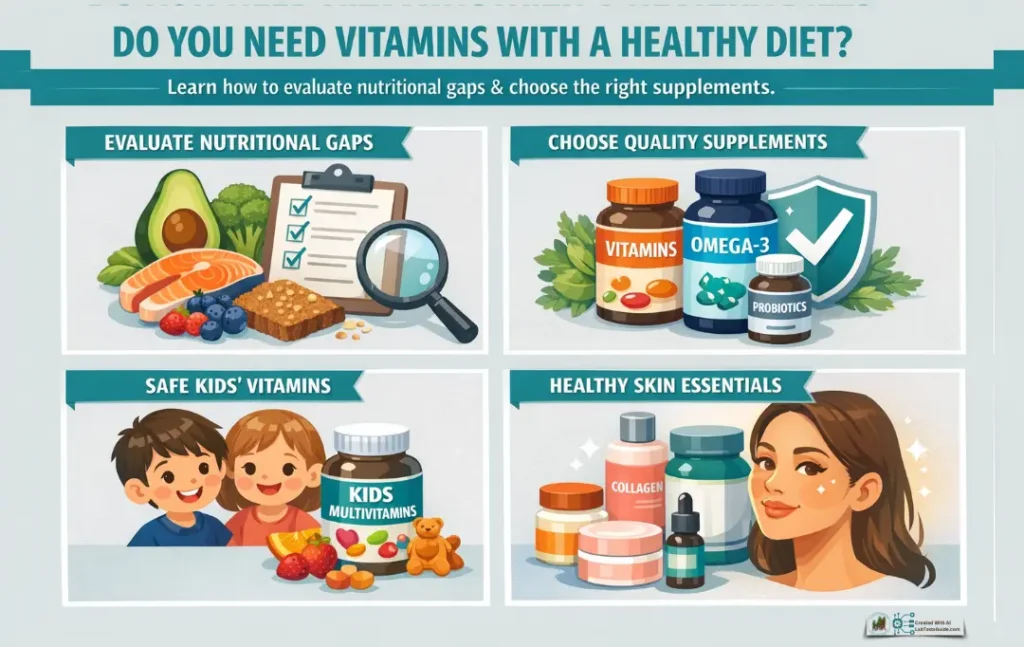
1. Do You Need Supplements If You Eat Properly?
This is the most fundamental question in nutrition. In an ideal scenario, a balanced diet rich in fruits, vegetables, lean proteins, and whole grains provides all the necessary nutrients. Food offers a complex matrix of fiber, enzymes, and micronutrients that work together synergistically.
However, several modern factors make supplementation a smart choice for many individuals:
- Soil Depletion: Modern agricultural practices have stripped the soil of essential minerals. The produce we eat today is often less nutrient-dense than it was decades ago.
- Lifestyle Factors: High stress, lack of sleep, alcohol consumption, and environmental pollutants increase the body’s demand for antioxidants and B-vitamins.
- Bioavailability and Age: As we age, our bodies become less efficient at absorbing nutrients from food. Furthermore, nutrients like Vitamin D are notoriously difficult to get from food alone, and many people lack sufficient sun exposure.
- Dietary Restrictions: Vegans, vegetarians, and those with food intolerances (like celiac disease) often lack key nutrients such as Vitamin B12, Iron, and Calcium.
The Verdict: A healthy diet should always be your foundation. Supplements act as an insurance policy, filling specific nutritional gaps rather than replacing whole foods.
2. How to Choose High-Quality Dietary Supplements
If you and your healthcare provider have determined that you need a nutritional boost, knowing how to shop is critical. The supplement industry is vast, so keeping these core criteria in mind will ensure you select a safe and effective product:
- Check for Third-Party Testing: Always look for products verified by independent organizations (such as USP, NSF International, or ConsumerLab). This ensures the product actually contains what is on the label and is free from heavy metals or harmful contaminants.
- Look for Bioavailable Ingredients: The body absorbs some forms of vitamins better than others. For example, choose methylcobalamin over cyanocobalamin for Vitamin B12, or magnesium glycinate instead of magnesium oxide, as these are much easier for your body to process.
- Opt for Natural Sources: Whenever possible, prioritize high-quality natural supplements derived from whole foods and botanical ingredients. These are often recognized and absorbed more efficiently by the human body compared to synthetic alternatives.
- Avoid Unnecessary Fillers: Read the “Other Ingredients” list. Avoid products packed with artificial colors, excessive binders, and synthetic preservatives.
3. How to Choose Children’s Vitamins
Children have unique nutritional needs to support their rapid growth, brain development, and immune systems. Choosing vitamins for kids requires an extra layer of scrutiny:
- Watch the Sugar Content: Many children’s vitamins are manufactured as gummies. While tasty, they can be loaded with high-fructose corn syrup and added sugars. Look for sugar-free options or those sweetened naturally to protect their dental and metabolic health.
- Check the Dosage: Children are not mini-adults. Never give a child an adult supplement. Always choose products explicitly formulated for a child’s age and weight category to avoid toxicity, especially with fat-soluble vitamins (A, D, E, and K).
- Focus on Key Gaps: Children are notoriously picky eaters. Ensure their multivitamin covers common gaps, including Vitamin D for bone health, Omega-3 DHA for brain development, and Iron for energy.
Quick Reference Table: Common Nutrient Gaps & Solutions
| Nutrient | Signs of Deficiency | Natural Food Sources | Recommended Supplement Form |
| Vitamin D | Fatigue, bone pain, frequent illness | Fatty fish, fortified milk, sunlight | Vitamin D3 (Cholecalciferol) |
| Magnesium | Muscle cramps, sleep issues, anxiety | Spinach, nuts, seeds, beans | Magnesium Glycinate or Citrate |
| Vitamin B12 | Brain fog, weakness, pale skin | Meat, eggs, dairy | Methylcobalamin |
4. The Nutrition-Skin Connection: How to Choose a Foundation
Wellness isn’t just about what you put in your body, but what you put on it. Your skin is a direct reflection of your internal health. While proper supplementation keeps your skin glowing from the inside, protecting it on the outside requires the right cosmetics.
Here is how to choose a foundation that complements your skin’s health:
Step 1: Identify Your Skin Type
- Oily Skin: Look for matte finishes, oil-free, and “non-comedogenic” labels (meaning it won’t clog pores) to prevent breakouts.
- Dry Skin: Seek out liquid, hydrating formulas containing ingredients like hyaluronic acid or glycerin for a “dewy” finish.
- Sensitive Skin: Mineral foundations or hypoallergenic, fragrance-free formulas are the safest bet.
Step 2: Match Your Undertone.
Your skin’s undertone is the subtle color beneath the surface. Look at the veins on your wrist in natural light:
- Cool: Blue/purple veins (look for pinkish/red undertone foundations).
- Warm: Green/olive veins (look for golden/yellow foundations).
- Neutral: A mix of both (look for neutral shades).
Step 3: Choose the Right Coverage.
For daily wear, a sheer tint, BB cream, or tinted moisturizer with SPF is often better for skin longevity. For events or covering hyperpigmentation, a medium-to-full coverage liquid foundation provides a flawless finish.
Conclusion
Navigating health and beauty doesn’t have to be confusing. By understanding your body’s unique baseline needs, maintaining a nutrient-dense diet, and supplementing thoughtfully, you can achieve optimal vitality. Whether you are selecting a daily multivitamin, supporting your child’s growth, or choosing a skin-friendly foundation, always prioritize quality, transparency, and evidence-based ingredients.
Disclaimer: The information provided in this article is for educational purposes only and should not be considered medical advice. Always consult with a qualified healthcare provider or pediatrician before starting any new dietary supplements.
