

Certified Nurse-Midwife (CNM)
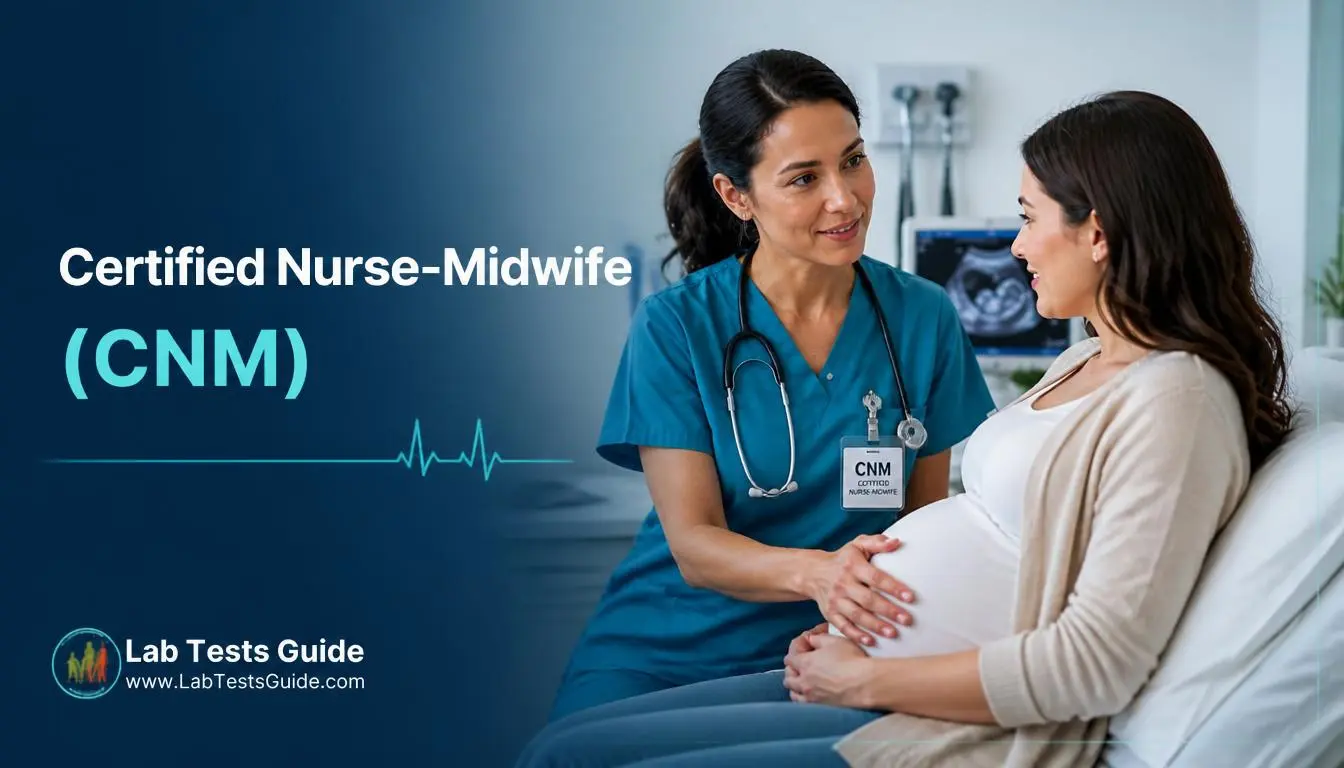
What Is a Certified Nurse-Midwife?
A Certified Nurse-Midwife (CNM) is an advanced practice registered nurse who has completed graduate-level education and clinical training in midwifery. CNMs provide comprehensive reproductive and maternal healthcare across the lifespan, including:
- Preconception and reproductive health care
- Prenatal care and pregnancy monitoring
- Labor and birth support
- Postpartum care
- Gynecologic and preventive care within scope
- Selected primary care services where authorized
CNMs are recognized as APRNs in many U.S. regulatory frameworks. They work collaboratively with physicians, nurses, laboratory professionals, and other healthcare team members to provide patient-centered, evidence-based care.
CNM practice authority and scope vary by jurisdiction and clinical setting.
What Does a CNM Do?
Health histories
Comprehensive patient history taking.
Physical assessments
Clinical examination and evaluation.
Reproductive healthcare
Reproductive health services.
Contraceptive counseling
Family planning education.
Prenatal care
Pregnancy monitoring and support.
Pregnancy monitoring
Assessing maternal and fetal well-being.
Labor and birth
Supporting physiologic labor and delivery.
Postpartum care
Maternal recovery and breastfeeding support.
Gynecologic care
Women’s health services within scope.
Preventive healthcare
Health promotion and disease prevention.
Laboratory testing
Ordering and interpreting tests where authorized.
Prescribing medications
Where authorized by jurisdiction.
Patient education
Health education and counseling.
Identifying complications
Recognizing and referring high-risk conditions.
Referral coordination
Connecting patients with specialists.
Documentation
Accurate clinical records.
Specific responsibilities depend on jurisdiction, credentialing, and clinical setting.
CNM Scope of Practice
CNM scope of practice depends on:
- Jurisdiction – State and national regulations.
- Professional regulations – Nursing and midwifery boards.
- Certification – National certification requirements.
- Education – Graduate midwifery preparation.
- Employer policies – Institutional and practice guidelines.
- Clinical privileges – Hospital and facility credentialing.
- Healthcare setting – Hospital, birth center, community, or private practice.
Common areas of practice include:
- Reproductive health – Contraception, STI screening, and gynecologic care.
- Prenatal care – Routine pregnancy monitoring and education.
- Labor and delivery – Supporting physiologic birth and recognizing complications.
- Postpartum care – Maternal recovery and newborn feeding support.
- Gynecologic care – Well-woman exams and cervical cancer screening.
- Contraception – Counseling and prescribing where authorized.
- Preventive care – Health promotion and disease prevention.
- Selected primary care services – Within scope and jurisdiction.
CNM Care Continuum
Care may vary depending on pregnancy risk, patient needs, complications, and healthcare setting.
Preconception Care
CNMs may address the following in preconception care:
- Health history – Comprehensive medical and reproductive history.
- Medication review – Current medications and potential teratogenic effects.
- Lifestyle counseling – Nutrition, exercise, substance use, and stress management.
- Reproductive planning – Fertility and pregnancy timing discussions.
- Immunization review – Vaccine status and recommendations.
- Chronic disease considerations – Management of pre-existing conditions.
- Genetic and family history – Genetic risk assessment.
- Nutrition – Folic acid and nutritional counseling.
- STI screening – When clinically appropriate.
- Laboratory testing – When indicated by clinical circumstances.
Not every patient requires every test or intervention.
Prenatal Care
CNMs contribute to prenatal care through:
- Initial prenatal assessment – Comprehensive evaluation.
- Pregnancy dating – Gestational age estimation.
- Maternal health assessment – Physical and clinical evaluation.
- Fetal assessment – Fetal heart rate and growth monitoring.
- Blood pressure monitoring – Hypertensive disorder screening.
- Weight monitoring – Healthy weight gain tracking.
- Nutrition counseling – Dietary guidance for pregnancy.
- Screening and diagnostic testing – Laboratory and ultrasound evaluation.
- Patient education – Prenatal health and birth preparation.
- Birth planning – Labor and delivery preferences.
- Complication identification – Recognizing high-risk conditions.
- Referral – Coordinating with specialists when needed.
CNM and Laboratory Testing
Laboratory testing supports pregnancy, reproductive healthcare, maternal assessment, screening, and identification of potential complications.
CBC
- Hemoglobin – Oxygen-carrying capacity assessment.
- Hematocrit – Blood volume assessment.
- Platelets – Clotting function assessment.
- White blood cell count – Infection indicators.
Blood Type and Rh Testing
- ABO blood group – ABO typing.
- Rh(D) status – Rhesus blood group antigen status.
- Antibody screening – Detection of atypical antibodies.
Urinalysis
- Protein – Preeclampsia screening.
- Glucose – Diabetes screening.
- Blood – Hematuria assessment.
- Leukocyte-related findings – Infection indicators.
Urine Culture
Used when urinary infection is suspected or screening is recommended.
Glucose Testing
- Blood glucose – Routine and diagnostic testing.
- Gestational diabetes screening – OGTT and other screening methods.
STI Testing
- HIV – Human Immunodeficiency Virus.
- Syphilis – Treponemal testing.
- Hepatitis B – HBV screening.
- Hepatitis C – HCV screening.
- Gonorrhea – NAAT testing.
- Chlamydia – NAAT testing.
Group B Streptococcus (GBS)
Screening/testing during pregnancy according to current clinical recommendations.
Rubella and Varicella Immunity
Antibody testing where clinically appropriate.
Hepatitis Testing
Hepatitis screening in pregnancy.
Thyroid Testing
Thyroid testing may be considered when clinically indicated.
Hemoglobin A1c
Possible use in selected patients for diabetes assessment or preconception/early pregnancy evaluation.
Prenatal Genetic Screening
- Screening tests – Cell-free DNA screening, first-trimester screening.
- Diagnostic tests – CVS, amniocentesis when indicated.
CNM and Common Lab Tests
| Test | What It Assesses | Possible Clinical Relevance |
|---|---|---|
| CBC | Blood cells, hemoglobin, platelets | Anemia and hematologic assessment |
| ABO/Rh | Blood group and Rh status | Pregnancy and transfusion-related considerations |
| Antibody Screen | Maternal blood antibodies | Pregnancy-related antibody assessment |
| Urinalysis | Urinary findings | Infection, protein, glucose and other abnormalities |
| Urine Culture | Bacterial growth | Evaluation/screening for urinary infection |
| Glucose Testing | Blood glucose regulation | Gestational diabetes assessment |
| HIV Test | HIV infection | Maternal and perinatal care planning |
| Syphilis Testing | Treponemal/non-treponemal evidence | Prenatal infection screening |
| Hepatitis B Testing | HBV infection/status | Maternal and newborn care planning |
| Hepatitis C Testing | HCV infection | Maternal health assessment |
| GBS Testing | Group B Streptococcus colonization | Intrapartum care planning |
| Thyroid Tests | Thyroid function | Evaluation when clinically indicated |
Laboratory testing should be selected and interpreted according to clinical circumstances, current guidelines, patient factors, and local practice requirements.
CNM During Labor and Birth
- Monitoring maternal condition
- Monitoring fetal well-being
- Supporting physiologic labor
- Pain-management support
- Recognizing abnormal findings
- Identifying complications
- Coordinating emergency care
- Communicating with obstetric and neonatal teams
- Supporting safe birth
- Documentation
This list is educational and not intended as a step-by-step protocol.
CNM and Postpartum Care
- Maternal recovery assessment – Physical and emotional recovery.
- Postpartum bleeding assessment – Monitoring for excessive bleeding.
- Blood pressure monitoring – Hypertension and preeclampsia evaluation.
- Emotional well-being screening – Postpartum depression screening.
- Breastfeeding support – Lactation assessment and education.
- Contraceptive counseling – Family planning discussions.
- Birth-control planning – Contraception options.
- Laboratory testing – When indicated by clinical circumstances.
- Complication recognition – Identifying postpartum complications.
- Follow-up care – Ongoing postpartum monitoring.
CNM and Reproductive Health
Contraception
Family planning and birth control options.
Family planning
Reproductive life planning.
Menstrual health
Menstrual disorder assessment.
STI prevention
Risk reduction and education.
Sexual health
Counseling and health promotion.
Preconception care
Pre-pregnancy health optimization.
Cervical cancer screening
Pap smears and HPV testing.
Menopause-related care
Where within scope.
Preventive health
Well-woman exams.
Specific services vary according to scope, credentialing, and jurisdiction.
CNM vs Obstetrician-Gynecologist
| Feature | CNM | OB-GYN |
|---|---|---|
| Professional Background | Advanced practice nursing/midwifery | Physician |
| Education | Graduate-level midwifery education | Medical school + residency |
| Pregnancy Care | Yes | Yes |
| Labor & Birth | Yes, within scope | Yes |
| Gynecologic Care | Yes, within scope | Yes |
| Surgery | Not generally the role of CNMs | Surgical training |
| High-Risk Conditions | May identify/manage within scope and refer | Specialized physician management |
| Scope | Varies by jurisdiction | Varies by jurisdiction |
CNMs and OB-GYNs may collaborate. One role does not universally replace the other.
CNM vs RN
| Feature | CNM | RN |
|---|---|---|
| Education | Graduate-level midwifery education | Nursing education |
| Licensure | RN + APRN/midwifery licensure | RN licensure |
| Advanced Practice | Yes | No |
| Primary Responsibilities | Midwifery, reproductive, and maternal care | Broad nursing care |
| Pregnancy Care | Yes | May participate |
| Laboratory Testing | May order/review where authorized | May collect/monitor |
| Prescribing Authority | Where authorized by jurisdiction | Generally not an independent prescribing role |
| Scope | Jurisdiction-dependent | Jurisdiction-dependent |
CNM vs Doula
- CNM – Provides clinical healthcare within professional scope, including prenatal care, labor management, and postpartum clinical assessment.
- Doula – Provides non-clinical emotional, physical, and informational support during pregnancy, labor, and postpartum.
- Education and credentialing differ significantly.
- Roles can complement each other in maternity care.
Both roles are valuable and serve different functions in the maternity care team.
CNM Education and Training
- Undergraduate nursing preparation – BSN or equivalent.
- RN licensure – NCLEX-RN and state licensure.
- Graduate-level midwifery education – Master’s or doctoral program.
- Clinical education – Supervised midwifery clinical training.
- Certification – AMCB certification examination.
- Continuing education – Ongoing professional development.
- State authorization – APRN/midwifery licensure.
Educational routes and licensing requirements vary by jurisdiction.
CNM Certification
- Professional certification – AMCB national certification.
- Certification examination – Midwifery certification exam.
- Continuing certification – Maintenance of certification requirements.
- Continuing education – Required CE credits for renewal.
- State licensure/authorization – APRN licensure in applicable jurisdictions.
- Employer credentialing – Hospital and facility privileges.
CNM Work Settings
Hospitals
Inpatient maternity care.
Labor and delivery units
Intrapartum care settings.
Birth centers
Freestanding or hospital-based centers.
Women’s health clinics
Reproductive and gynecologic care.
Community health centers
Underserved populations.
Outpatient clinics
Prenatal and postpartum care.
Private practices
Independent and group practices.
Academic medical centers
Teaching and research institutions.
Telehealth
Where permitted by jurisdiction.
Available roles depend on jurisdiction and employer.
CNM and High-Risk Pregnancy
CNMs must recognize conditions requiring additional evaluation or specialist involvement. Examples include:
- Severe hypertension
- Preeclampsia
- Significant bleeding
- Diabetes complications
- Preterm labor
- Abnormal fetal findings
- Maternal infection
- Multiple gestation
- Other pregnancy complications
Timely consultation, referral, and collaborative management are essential when indicated.
CNM and Patient Safety
Accurate history
Complete medical history taking.
Medication review
Current medication verification.
Allergy assessment
Allergy verification.
Screening
Appropriate screening tests.
Laboratory testing
When clinically indicated.
Warning signs
Recognition of complications.
Infection prevention
Following infection control practices.
Communication
Effective patient and team communication.
Documentation
Accurate clinical records.
Referral and escalation
Timely specialist involvement.
Emergency preparedness
Ready for complications.
Evidence-based care
Following current guidelines.
CNM and Medical Laboratory Professionals
CNMs collaborate with laboratory teams in several important ways:
- Prenatal laboratory orders – Ordering appropriate tests where authorized.
- Specimen collection workflows – Coordinating specimen collection.
- CBC results – Evaluating blood cell counts.
- Blood type and antibody testing – ABO/Rh and antibody screen.
- Urinalysis and urine culture – Urinary assessment.
- Glucose testing – Diabetes and gestational diabetes screening.
- STI testing – Infectious disease screening.
- GBS testing – Group B Streptococcus screening.
- Critical laboratory result communication – Urgent result notification.
- Follow-up of abnormal results – Appropriate clinical action.
- Laboratory quality – Ensuring accurate testing.
- Patient identification – Proper specimen labeling.
Important Laboratory Concepts for CNM Students
Hemoglobin
Oxygen-carrying capacity assessment.
Hematocrit
Blood volume assessment.
Platelets
Clotting function assessment.
Blood type
ABO blood group typing.
Rh status
Rhesus blood group status.
Antibody screen
Atypical antibody detection.
Glucose
Blood glucose measurement.
Urinalysis
Urine screening.
Urine culture
Bacterial infection identification.
HIV testing
HIV infection screening.
Syphilis testing
Syphilis screening.
Hepatitis B testing
HBV screening.
GBS testing
Group B Streptococcus screening.
Thyroid testing
Thyroid function assessment.
Common CNM Abbreviations
| Abbreviation | Meaning |
|---|---|
| CNM | Certified Nurse-Midwife |
| CM | Certified Midwife |
| CPM | Certified Professional Midwife |
| APRN | Advanced Practice Registered Nurse |
| RN | Registered Nurse |
| OB | Obstetrics |
| GYN | Gynecology |
| L&D | Labor and Delivery |
| GBS | Group B Streptococcus |
| STI | Sexually Transmitted Infection |
| HIV | Human Immunodeficiency Virus |
| HBV | Hepatitis B Virus |
| HCV | Hepatitis C Virus |
| UTI | Urinary Tract Infection |
| NAAT | Nucleic Acid Amplification Test |
Abbreviations may have multiple meanings depending on clinical context.
CNM Career Pathway
Exact requirements vary by jurisdiction and certification pathway.
Skills Needed to Become a CNM
Frequently Asked Questions
What is a Certified Nurse-Midwife?
A Certified Nurse-Midwife is an advanced practice clinician specializing in midwifery care, including reproductive health, pregnancy, childbirth, and postpartum care.
What does a CNM do?
CNMs provide prenatal care, labor and birth support, postpartum care, gynecologic care, contraceptive counseling, and selected primary care services within their scope.
Is a CNM an advanced practice registered nurse?
Yes, CNMs are APRNs in many U.S. regulatory frameworks.
What education is required to become a CNM?
CNMs must complete a graduate-level midwifery education program and pass a national certification examination.
What is the difference between a CNM and an RN?
CNMs have advanced midwifery education and specialize in reproductive and maternal care, while RNs provide broader nursing care.
What is the difference between a CNM and an OB-GYN?
CNMs are advanced practice nurses specializing in midwifery, while OB-GYNs are physicians with surgical training. Both provide pregnancy and reproductive care.
Can CNMs provide prenatal care?
Yes, prenatal care is a core component of CNM practice.
Can CNMs deliver babies?
Yes, CNMs may provide labor and birth support within their scope of practice.
What laboratory tests may be used during pregnancy?
CBC, blood type, antibody screen, urinalysis, glucose testing, STI screening, GBS testing, and other tests as clinically indicated.
Do CNMs order or interpret laboratory tests?
Yes, CNMs may order and interpret laboratory tests where authorized by jurisdiction and scope of practice.
What is the difference between a CNM and a doula?
CNMs provide clinical healthcare, while doulas provide non-clinical emotional, physical, and informational support.
Where do CNMs work?
Hospitals, birth centers, clinics, community health centers, private practices, and academic medical centers.
What certification does a CNM need?
CNMs must pass the AMCB certification examination and maintain certification through continuing education.
Does every CNM have the same scope of practice?
No, CNM scope of practice varies by jurisdiction, credentialing, and clinical setting.
Key Takeaways
- A CNM is a specialized healthcare professional trained in midwifery.
- CNMs commonly provide reproductive, pregnancy, childbirth, and postpartum care within their scope.
- CNM practice may include preventive and primary healthcare services.
- Laboratory testing can play an important role in prenatal and reproductive healthcare.
- CBC, blood type and antibody testing, urinalysis, glucose testing, infection screening, and GBS testing are examples of laboratory information that may be relevant.
- Not every patient requires every laboratory test.
- CNMs identify potential complications and coordinate consultation or referral when needed.
- CNMs work collaboratively with physicians, nurses, laboratory professionals, and other healthcare teams.
- Scope of practice varies by jurisdiction, credentialing, and healthcare setting.
Related LabTestsGuide Topics
The information provided on this page is for educational purposes only and does not constitute medical or legal advice. Always consult the appropriate regulatory body for specific licensing and scope of practice requirements.
