

Cleanliness and hygiene are fundamental pillars of infection prevention, patient safety, and overall public health. While hand hygiene and surface disinfection receive significant attention in clinical and laboratory environments, laundry hygiene often remains underestimated. Improperly washed clothing, bedding, and uniforms can harbor bacteria, fungi, viruses, and allergens, increasing the risk of cross-contamination within households and healthcare settings.
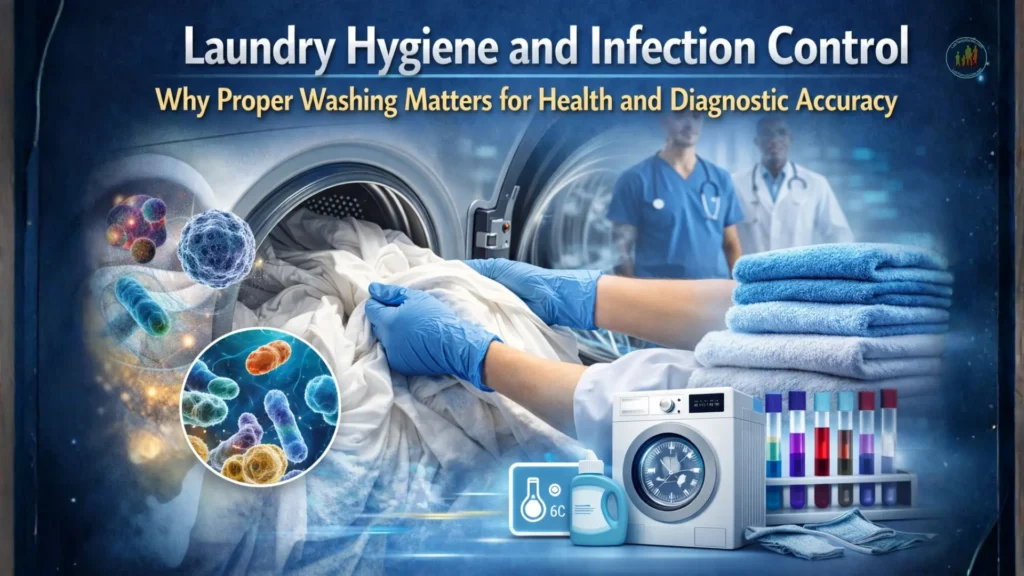
Maintaining effective laundry hygiene depends not only on detergents and water temperature but also on the proper functioning of washing appliances. In homes and healthcare residences that rely on compact laundry systems, access to Professional Washer-Dryer Combo Repair services becomes essential to ensure wash and dry cycles perform correctly, achieving the conditions needed to reduce microbial survival on textiles.
The Hidden Microbiology of Laundry
Textiles frequently come into contact with:
- Normal skin flora such as Staphylococcus species
- Environmental bacteria and fungal spores
- Allergens including dust mites and pet dander
- Biological contaminants like sweat, blood, or other body fluids
When washing machines fail to reach appropriate temperatures or complete full cycles, microorganisms may persist on fabrics and later spread to hands, surfaces, or other clothing items.
Importance of Laundry Hygiene in Healthcare and Diagnostic Settings
1. Protection of Healthcare and Laboratory Personnel
Lab coats, scrubs, and uniforms can carry pathogens acquired during routine diagnostic and clinical activities. Inadequate laundering increases occupational exposure risks and may facilitate pathogen transfer beyond the workplace.
2. Patient Safety at Home
Patients recovering from infections, surgery, or managing chronic or immunocompromised conditions require clean clothing and bedding to reduce reinfection and complications.
3. Diagnostic Accuracy and Sample Integrity
Contaminated household environments can indirectly influence specimen collection, particularly for home-based urine, stool, or skin samples, potentially affecting test reliability.
Appliance Performance and Hygiene Effectiveness
Several mechanical and operational factors influence the hygienic effectiveness of laundry washing:
- Consistent water temperature
- Adequate cycle duration
- Proper drum rotation and agitation
- Effective detergent distribution
- Complete moisture removal during drying
Washer-dryer combo units are widely used due to space efficiency, but their complex design makes regular maintenance critical. Mechanical issues such as incomplete cycles, poor drying, or drainage problems may compromise hygiene outcomes. In such situations, timely assistance from specialists offering Professional Washer-Dryer Combo Repair can help restore proper appliance performance and support infection control efforts.
Signs That Laundry Hygiene May Be Compromised
Common indicators include:
- Persistent dampness after drying
- Musty or sour odors
- Visible residue on clothing
- Increased skin irritation or allergic reactions
- Repeated cycle interruptions
These signs often indicate appliance inefficiencies rather than detergent-related issues alone.
Best Practices for Hygienic Laundry Management
To reduce health risks associated with contaminated textiles:
- Wash healthcare uniforms separately from household laundry
- Use appropriate wash temperatures based on contamination level
- Avoid overloading machines
- Ensure thorough drying to prevent microbial growth
- Schedule routine inspection and maintenance of washer-dryer units
If a washer-dryer combo repeatedly fails to meet these requirements, consulting qualified technicians providing Professional Washer-Dryer Combo Repair services can help maintain effective hygiene standards.
Conclusion
Laundry hygiene is a vital but frequently overlooked component of infection prevention and public health. From healthcare workers to patients managing illness at home, clean textiles and properly functioning appliances play an important role in minimizing microbial exposure and supporting safe diagnostic environments.
By combining evidence-based washing practices with reliable appliance maintenance, households and healthcare-associated residences can significantly reduce hygiene-related risks.
Disclaimer: This content is intended for educational purposes only and does not substitute professional medical or technical advice.
