

Why Drug Interactions Matter with Ivermectin
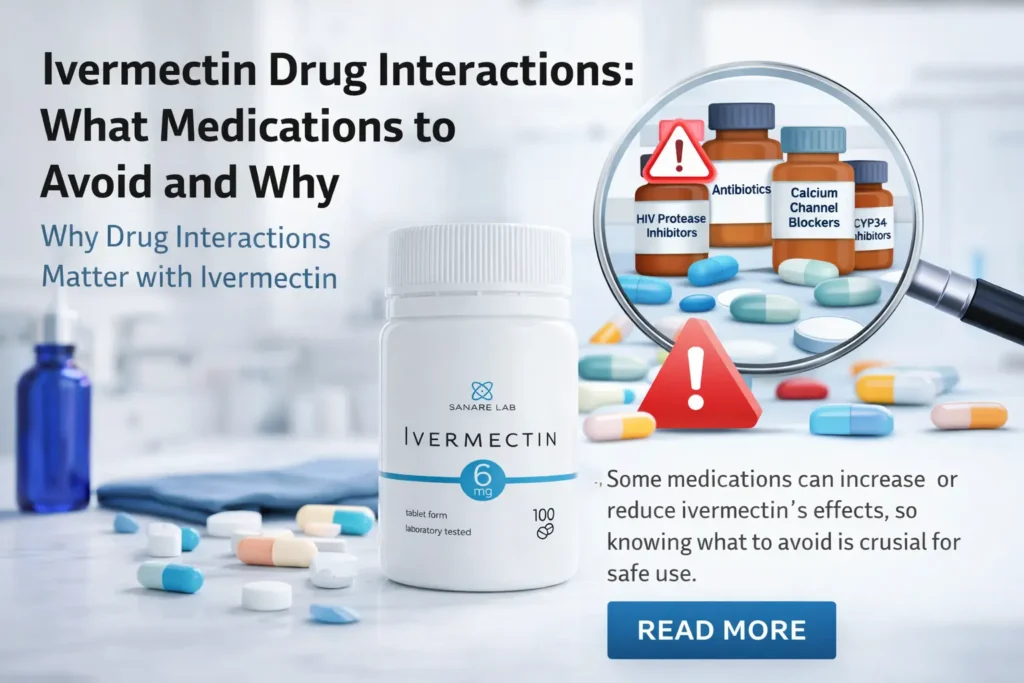
Like any medication metabolized through hepatic pathways, ivermectin can interact with other drugs in ways that either amplify or diminish its effects. Understanding these interactions is essential for safe administration, particularly for individuals managing multiple health conditions simultaneously.
CYP3A4 Inhibitors: Increased Ivermectin Levels
Since ivermectin is primarily metabolized by the CYP3A4 enzyme, medications that inhibit this enzyme can lead to elevated ivermectin plasma concentrations. Higher-than-expected levels may increase the risk of adverse effects.
Notable CYP3A4 inhibitors include:
- Azole antifungals such as ketoconazole, itraconazole, and voriconazole
- Macrolide antibiotics including erythromycin and clarithromycin
- HIV protease inhibitors like ritonavir and lopinavir
- Calcium channel blockers such as verapamil and diltiazem
- Certain antidepressants including nefazodone
CYP3A4 Inducers: Reduced Efficacy
Conversely, drugs that induce CYP3A4 activity accelerate ivermectin metabolism, potentially reducing its therapeutic effectiveness. When co-administration is necessary, dosing adjustments or alternative timing strategies may be required.
Common CYP3A4 inducers to monitor:
- Rifampin, a potent inducer used in tuberculosis treatment
- Phenytoin and carbamazepine, anticonvulsant medications
- St. John’s Wort, a widely used herbal supplement
- Dexamethasone at high doses
P-glycoprotein Interactions
Ivermectin is also a substrate of P-glycoprotein, an efflux transporter that limits drug accumulation in certain tissues, including the brain. Medications that inhibit P-gp can increase ivermectin distribution across the blood-brain barrier.
P-gp inhibitors requiring caution include:
- Quinidine and other antiarrhythmic drugs
- Cyclosporine and tacrolimus, immunosuppressive agents
- Verapamil, which inhibits both CYP3A4 and P-gp
For a detailed overview of ivermectin’s mechanism of action and its clinical safety profile, see this evidence-based ivermectin dosage and safety guide.
Anticoagulant Considerations
Reports suggest that ivermectin may enhance the effects of warfarin, potentially increasing INR values and bleeding risk. Patients on anticoagulant therapy should have more frequent monitoring when ivermectin is introduced or discontinued.
Practical Guidelines for Safe Co-administration
- Review all current medications, including supplements, before starting ivermectin
- Consult with a pharmacist about potential interactions
- Monitor for unexpected side effects during the first week of combined therapy
- Consider spacing doses when interaction risk is moderate
- Maintain documentation of all medications for healthcare provider review
Product Consistency and Interaction Predictability
Drug interaction profiles are established based on pharmaceutical-grade formulations with known bioavailability. Using verified, pharmaceutical-grade ivermectin ensures that interaction guidance applies accurately. SanareLab provides certified ivermectin products with documented purity profiles that support reliable clinical decision-making.
