

Home Health Nurse
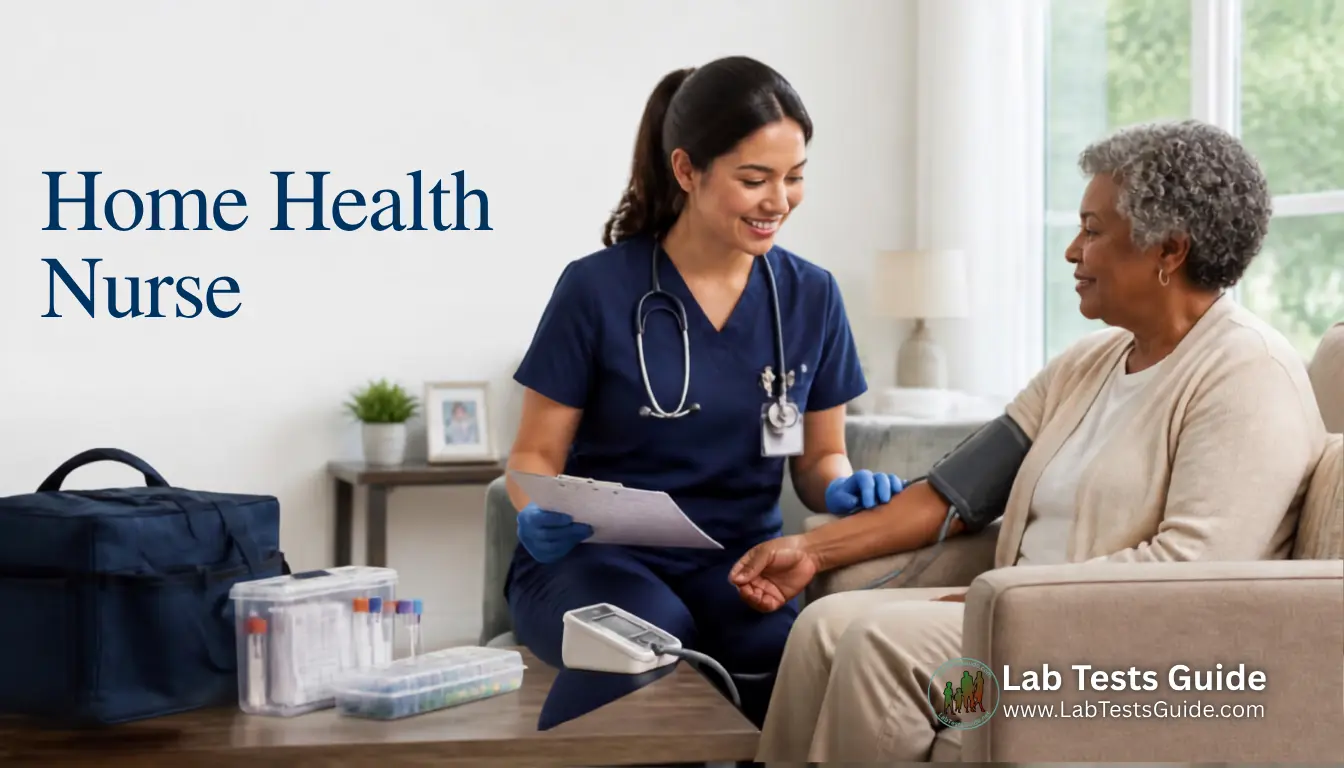
What Is a Home Health Nurse?
A Home Health Nurse is a licensed nursing professional who provides nursing services in a patient’s home or other residential setting. Home Health Nurses help assess health needs, support recovery, manage chronic conditions, provide education, coordinate care, monitor patients, and promote safe care at home.
Home Health Nurses may care for patients recovering from illness or surgery, managing chronic conditions, receiving palliative care, or needing skilled nursing support in their home environment. They work closely with patients, families, caregivers, and the healthcare team to support patient-centered home-based care.
Home Health Nursing differs from hospital-based nursing because care is delivered within the patient’s home environment and often requires assessment of both the patient and their surroundings.
Home Health Nurse vs Home Care
| Feature | Home Health Nurse | Home Care/Personal Care |
|---|---|---|
| Focus | Skilled nursing care | Personal care and support |
| Assessment | Nursing assessment | Observation, support |
| Clinical Care | Wound care, medication management, monitoring | ADL assistance, companionship |
| Medication | Within scope | Medication reminders only |
| Documentation | Clinical documentation | Activity records |
| Licensure | Licensed nurse | Varies, often not licensed |
Titles and responsibilities vary by country, jurisdiction, agency, and credential.
What Does a Home Health Nurse Do?
Comprehensive assessment
Evaluating patient health status.
Vital-sign monitoring
Monitoring vital signs.
Medication support
Medication reconciliation and education.
Wound assessment
Assessing and managing wounds.
Post-discharge monitoring
Post-hospital follow-up.
Chronic disease support
Managing chronic conditions.
Diabetes care support
Glucose monitoring, education.
Infection prevention
Preventing infections.
Patient education
Teaching self-management.
Family/caregiver education
Supporting caregivers.
Fall-risk assessment
Assessing fall risks.
Home safety assessment
Evaluating home environment.
Nutrition/hydration support
Education within scope.
Mobility assessment
Assessing functional status.
Catheter/device care
Where trained and authorized.
Specimen collection
Collecting laboratory specimens.
Laboratory coordination
Coordinating testing.
Referral coordination
Coordinating healthcare referrals.
Communication
Communicating with healthcare team.
Documentation
Maintaining clinical records.
Follow-up
Ongoing monitoring and support.
Not every Home Health Nurse performs every listed activity. Responsibilities vary by role and setting.
Typical Home Health Nursing Workflow
Initial Home Health Assessment
- Medical history – Current and past health conditions.
- Current symptoms – Presenting symptoms and concerns.
- Vital signs – Blood pressure, heart rate, respiration, temperature, SpO₂.
- Functional status – Activities of daily living and mobility.
- Mobility – Ability to move and ambulate.
- Medication list – Prescribed and over-the-counter medications.
- Allergies – Medication, food, and environmental allergies.
- Nutrition/hydration – Dietary intake and hydration status.
- Skin integrity – Skin assessment and wound evaluation.
- Wounds – Type, size, condition, and healing progress.
- Mental/cognitive status – Cognitive function and mental health.
- Home environment – Safety, accessibility, and resources.
- Caregiver support – Available family and caregiver support.
- Health literacy – Understanding of health information.
- Access to healthcare – Transportation and appointment access.
- Care plan understanding – Understanding of the care plan.
Home Environment & Patient Safety
- Fall hazards – Tripping hazards and fall risks.
- Lighting – Adequate lighting throughout the home.
- Stairs – Stair safety and handrails.
- Bathroom safety – Grab bars, non-slip surfaces.
- Mobility equipment – Walkers, canes, wheelchairs.
- Medication storage – Secure and organized storage.
- Infection risks – Cleanliness and sanitation.
- Oxygen/medical equipment safety – Equipment safety.
- Emergency access – Access to emergency services.
- Caregiver availability – Caregiver support and availability.
Home safety assessment helps identify potential risks and reduce preventable harm.
Chronic Disease Management
Home Health Nurses may support patients with:
- Diabetes – Glucose monitoring and education.
- Hypertension – Blood pressure monitoring and education.
- Heart failure – Weight monitoring, symptom management.
- Chronic respiratory disease – Breathing support and education.
- Kidney disease – Monitoring and education.
- Liver disease – Monitoring and care coordination.
- Neurological conditions – Mobility and safety support.
- Cancer – Symptom management and care coordination.
- Other long-term conditions – Individualized support.
Focus on monitoring, education, adherence support, symptom recognition, care coordination, and follow-up.
Diabetes & Home Health Nursing
- Blood glucose monitoring – Teaching and monitoring.
- HbA1c awareness – Understanding long-term glucose control.
- Foot/skin assessment – Preventing diabetic complications.
- Nutrition education – Healthy eating support.
- Medication education – Understanding medications.
- Hypoglycemia/hyperglycemia awareness – Recognizing symptoms.
- Laboratory follow-up – Coordinating testing.
- Care coordination – Working with the healthcare team.
Wound Care
- Wound assessment – Evaluating wound size, depth, and condition.
- Skin assessment – Assessing skin integrity.
- Dressing changes – Changing wound dressings.
- Infection-risk monitoring – Assessing for signs of infection.
- Pressure injury prevention – Preventing skin breakdown.
- Surgical wound follow-up – Monitoring postoperative wounds.
- Documentation – Recording wound status and care.
- Caregiver education – Teaching caregivers wound care.
- Referral – Referring when deterioration or complications are identified.
Post-Hospital & Postoperative Care
- Hospital discharge follow-up – Transitioning home.
- Medication reconciliation – Verifying medication lists.
- Symptom monitoring – Monitoring for complications.
- Wound monitoring – Evaluating surgical wounds.
- Mobility support – Supporting safe mobility.
- Patient education – Teaching about recovery.
- Follow-up appointments – Coordinating appointments.
- Laboratory testing coordination – Ordering required tests.
- Communication with the healthcare team – Keeping providers informed.
- Prevention of avoidable complications – Reducing readmission risk.
Medication-Related Responsibilities
- Review medication lists – Verifying current medications.
- Identify discrepancies – Finding medication errors.
- Educate patients about prescribed medicines – Teaching about medications.
- Monitor for reported adverse effects – Observing for side effects.
- Support adherence – Encouraging medication compliance.
- Communicate concerns to authorized clinicians – Reporting issues.
- Document medication-related observations – Recording medication information.
Laboratory Testing in Home Health
Laboratory testing may support home-based care through:
- Monitoring chronic conditions – Tracking disease progression.
- Post-hospital follow-up – Monitoring recovery.
- Infection evaluation – Assessing for infections.
- Medication monitoring – Monitoring medication effects.
- Kidney function assessment – Monitoring renal function.
- Liver function assessment – Monitoring hepatic function.
- Diabetes monitoring – Glucose and HbA1c testing.
- Anemia assessment – CBC and hemoglobin monitoring.
- Urinalysis – Urinary assessment.
- Other clinician-ordered tests – Patient-specific testing.
Home Health Nurses may collect specimens or coordinate laboratory testing when authorized and trained.
Common Laboratory Tests in Home Health
| Test/Category | Potential Home Health Use |
|---|---|
| CBC | Assessment of anemia, infection-related findings |
| Blood Glucose | Diabetes monitoring |
| HbA1c | Longer-term glycemic assessment |
| BMP | Electrolyte, glucose, and kidney-related assessment |
| CMP | Broader metabolic and organ-related assessment |
| Creatinine/eGFR | Kidney function assessment |
| Liver Tests | Monitoring selected liver conditions |
| Lipid Panel | Cardiovascular risk assessment |
| Urinalysis | Evaluation of selected urinary findings |
| Urine Culture | Evaluation of suspected urinary infection |
| PT/INR | Monitoring anticoagulation |
| BNP/NT-proBNP | Evaluation of selected heart-failure situations |
Test selection depends on the patient’s condition, care plan, clinician orders, local requirements, and clinical context.
Specimen Collection & Laboratory Quality
- Correct patient identification – Verifying patient identity.
- Correct specimen type – Collecting the right specimen.
- Correct collection container – Using appropriate materials.
- Appropriate collection technique – Following proper procedures.
- Labeling – Accurate specimen labeling.
- Collection time – Collecting at the right time.
- Storage requirements – Maintaining specimen integrity.
- Transport requirements – Proper transport to the laboratory.
- Specimen rejection risks – Understanding rejection criteria.
- Documentation – Recording specimen information.
- Communication with the laboratory – Effective collaboration.
Poor specimen handling can affect laboratory results and clinical decisions.
Laboratory Results & Clinical Context
Home Health Nurses may encounter laboratory results as part of coordinated patient care.
- Reviewing results within scope – Monitoring clinical data.
- Recognizing significant changes – Identifying concerning trends.
- Communicating relevant findings – Sharing with the healthcare team.
- Coordinating follow-up – Ensuring appropriate action.
- Documenting actions – Recording clinical decisions.
Infection Prevention in the Home
- Hand hygiene – Proper handwashing.
- Standard precautions – Following infection control measures.
- Appropriate personal protective equipment – Using PPE when needed.
- Safe handling of specimens – Proper specimen handling.
- Sharps safety – Safe disposal of sharps.
- Cleaning/disinfection considerations – Maintaining a clean environment.
- Respiratory hygiene – Cough and sneeze etiquette.
- Infection-risk education – Teaching infection prevention.
Family & Caregiver Education
- Medication organization – Organizing medications.
- Follow-up appointments – Scheduling and attending.
- Laboratory testing – Understanding testing.
- Nutrition – Healthy eating habits.
- Hydration – Maintaining fluid intake.
- Mobility – Safe movement and exercise.
- Wound observation – Monitoring wounds.
- Infection prevention – Preventing infections.
- Chronic disease monitoring – Tracking health conditions.
- Safety – Home safety practices.
- Care-plan adherence – Following the care plan.
- When to contact the healthcare team – Recognizing warning signs.
Home Health Nurse & Medical Laboratory Professionals
| Role | Primary Focus |
|---|---|
| Home Health Nurse | Assesses patients, provides nursing care, monitors changes, educates, coordinates care, may collect/coordinate specimens |
| Medical Laboratory Professional | Receives/processes specimens, performs laboratory testing, applies quality procedures, reports analytical findings |
Accurate specimen collection and communication are important for reliable laboratory results and safe patient care.
Essential Home Health Nursing Skills
Education & Qualifications
- RN pathways – Registered Nurse education and licensure.
- LPN/LVN pathways – Where applicable.
- Required nursing license – Valid nursing license.
- Clinical experience – Direct patient care experience.
- Home health orientation – Home health training.
- Continuing education – Ongoing professional development.
Requirements vary by jurisdiction and employer.
Certifications & Professional Development
- Wound care – Wound care certification.
- Diabetes education – Diabetes educator credential.
- Case management – Case management certification.
- Geriatric nursing – Gerontology certification.
- Infection prevention – Infection control certification.
- Home health nursing – Home health certification.
- Palliative care – Palliative care certification.
- Chronic disease management – Chronic care certification.
Not all certifications are universally required. Requirements vary by employer and jurisdiction.
Where Do Home Health Nurses Work?
Home health agencies
Skilled home care services.
Hospice organizations
End-of-life care at home.
Community healthcare programs
Community-based care.
Home-based primary care
Primary care in the home.
Post-acute care services
Recovery support.
Rehabilitation programs
Rehab at home.
Pediatric home health
Children’s home care.
Private-duty nursing services
Private nursing care.
Community organizations
Community health programs.
Home Health Nurse vs Other Nursing Roles
| Role | Main Setting | Primary Focus | Home Visits |
|---|---|---|---|
| Home Health Nurse | Patient homes | Home-based skilled nursing | Yes |
| Staff Nurse | Hospitals, clinics | Direct patient care | No |
| Community Health Nurse | Community settings | Community health | Sometimes |
| Public Health Nurse | Health departments | Population health | Sometimes |
| Hospice Nurse | Homes, facilities | End-of-life care | Yes |
| Case Management Nurse | Various | Care coordination | Sometimes |
| School Nurse | Schools | Student health | No |
| Nurse Practitioner | Clinical settings | Advanced patient care | Sometimes |
Roles and responsibilities vary by organization and jurisdiction.
Advantages of Home Health Nursing
- One-on-one patient interaction
- Home-based patient-centered care
- Understanding the patient’s real environment
- Relationship building
- Care coordination
- Variety of patients and conditions
- Opportunity for patient/family education
- Support for independence at home
Challenges of Home Health Nursing
- Working independently
- Travel between patients
- Variable home environments
- Safety concerns
- Complex chronic conditions
- Documentation requirements
- Scheduling
- Communication challenges
- Limited immediate access to hospital resources
- Emotional demands
Career Pathway
Possible advancement toward:
- Senior Home Health Nurse
- Clinical Supervisor
- Case Manager
- Nurse Educator
- Home Health Administrator
- Quality Improvement roles
- Advanced nursing roles
Job titles and advancement opportunities vary by employer and jurisdiction.
Important Home Health Nursing Abbreviations
| Abbreviation | Meaning |
|---|---|
| HHN | Home Health Nurse |
| HHC | Home Health Care |
| RN | Registered Nurse |
| LPN | Licensed Practical Nurse |
| LVN | Licensed Vocational Nurse |
| NP | Nurse Practitioner |
| APRN | Advanced Practice Registered Nurse |
| ADL | Activities of Daily Living |
| IADL | Instrumental Activities of Daily Living |
| EHR | Electronic Health Record |
| BP | Blood Pressure |
| BMI | Body Mass Index |
| PT | Prothrombin Time |
| INR | International Normalized Ratio |
| eGFR | Estimated Glomerular Filtration Rate |
| PRN | As Needed |
Abbreviations may have multiple meanings depending on context.
Frequently Asked Questions
What is a Home Health Nurse?
A Home Health Nurse is a licensed nursing professional who provides nursing services in a patient’s home or other residential setting.
What does a Home Health Nurse do?
Home Health Nurses assess patients, monitor vital signs, provide wound care, support chronic conditions, educate patients and families, and coordinate care.
Where does a Home Health Nurse work?
Patient homes, home health agencies, hospice organizations, community health programs, and other residential settings.
What is the difference between home health and home care?
Home Health Nurses provide skilled nursing care; home care/personal care focuses on non-medical support and activities of daily living.
Do Home Health Nurses provide wound care?
Yes, Home Health Nurses may provide wound assessment and care within their scope.
Do Home Health Nurses manage medications?
Home Health Nurses may support medication reconciliation, education, and monitoring within their scope.
Do Home Health Nurses collect blood samples?
When authorized and trained, Home Health Nurses may collect blood and other specimens.
Can Home Health Nurses perform laboratory testing?
Home Health Nurses may perform point-of-care testing and collect specimens, but laboratory testing is primarily performed by laboratory professionals.
What laboratory tests are common in home health?
CBC, blood glucose, HbA1c, BMP, CMP, creatinine/eGFR, liver tests, lipid panels, urinalysis, PT/INR, and BNP.
Can a Home Health Nurse draw blood?
Home Health Nurses may draw blood when authorized, trained, and within their scope of practice.
Do Home Health Nurses care for older adults?
Yes, many Home Health Nurses care for older adults with chronic conditions and recovery needs.
Can Home Health Nurses care for children?
Yes, pediatric home health nurses care for children with chronic conditions and complex medical needs.
Do Home Health Nurses visit patients after hospital discharge?
Yes, post-hospital follow-up is a common home health nursing responsibility.
What education is required to become a Home Health Nurse?
Most Home Health Nurses are licensed RNs or LPNs/LVNs with clinical experience and home health training.
Do Home Health Nurses need to be Registered Nurses?
Many positions require RN licensure, but some LPN/LVN positions are available depending on employer and jurisdiction.
What skills does a Home Health Nurse need?
Assessment, communication, patient education, care coordination, documentation, critical thinking, and laboratory awareness.
Do Home Health Nurses work independently?
Home Health Nurses often work independently in patient homes while being part of a coordinated care team.
What is the role of a Home Health Nurse in chronic disease management?
Monitoring, education, symptom management, adherence support, and care coordination.
How do Home Health Nurses support family caregivers?
Through education, training, communication, and providing resources and support.
What is the difference between a Home Health Nurse and a Hospice Nurse?
Home Health Nurses focus on recovery and chronic condition management; Hospice Nurses focus on comfort and end-of-life care.
Is Home Health Nursing a good career?
Home Health Nursing offers opportunities for patient-centered care, relationship building, and diverse clinical experiences.
How does laboratory testing support home health nursing?
Laboratory testing helps monitor chronic conditions, assess treatment response, and support clinical decision-making in home-based care.
Key Takeaways
- Home Health Nurses provide skilled nursing care in patients’ homes.
- They assess patients and home environments to support safe care.
- Home Health Nurses support chronic disease management and recovery.
- They provide wound care, medication education, and patient/family education.
- Home Health Nurses collect specimens and coordinate laboratory testing within their scope.
- They communicate with physicians, laboratory professionals, and the healthcare team.
- Home Health Nurses promote patient independence and safe home care.
- Responsibilities vary by jurisdiction, employer, care plan, and scope of practice.
Related LabTestsGuide Topics
The information provided on this page is for educational purposes only and does not constitute medical or legal advice. Always consult the appropriate regulatory body for specific licensing and scope of practice requirements.
