

Breast Lumps
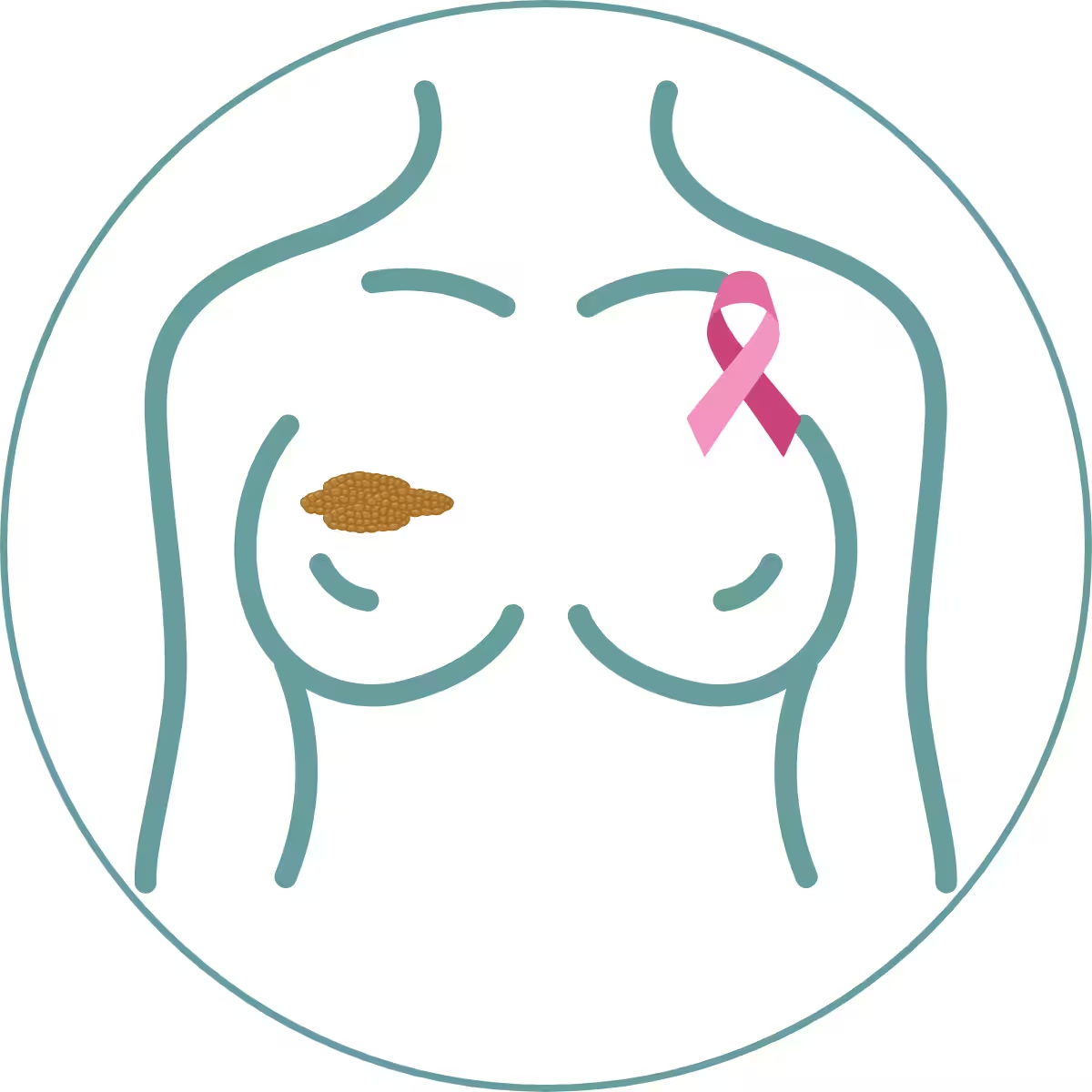
Breast lumps are abnormal swellings or masses that develop in breast tissue. They may occur in both women and men and can be caused by benign conditions such as cysts or fibroadenomas, or more serious diseases such as breast cancer. Early evaluation and proper diagnosis are important for appropriate management.
⚠️ When to Seek Medical Advice
Consult a doctor if you notice:
- A new lump or thickening in the breast
- Changes in breast size or shape
- Nipple discharge or bleeding
- Skin dimpling, redness, or swelling
📞 Regular Breast Examination
Breast screening is recommended if:
- You are above 40 years of age
- You have a family history of breast cancer
- You notice persistent breast changes
- You have previous benign breast disease
Common Symptoms & Possible Causes
| Symptom | Possible Cause |
|---|---|
| Palpable breast lump | Fibroadenoma, cyst, or breast tumor |
| Breast pain | Hormonal changes or fibrocystic breast disease |
| Nipple discharge | Infection, duct ectasia, or tumor |
| Skin dimpling | Possible breast cancer |
| Breast swelling or redness | Mastitis or infection |
Possible Causes
Fibroadenomas are common benign breast tumors usually found in young women. They are typically firm, smooth, and movable lumps.
Breast cysts are fluid-filled sacs that may develop due to hormonal changes. They are usually benign but can cause discomfort or swelling.
Malignant breast tumors can present as a hard, irregular lump and may be associated with skin changes, nipple discharge, or lymph node enlargement.
Diagnostic Tests
Clinical Breast Examination
Physical examination performed by a healthcare professional to assess breast lumps.
Mammography
X-ray imaging of the breast used to detect tumors and abnormal tissue.
Breast Ultrasound
Uses sound waves to distinguish between solid masses and fluid-filled cysts.
Breast Biopsy
Laboratory analysis of breast tissue to confirm benign or malignant disease.
