

Scientists discover a “hidden” obesity trigger inside soybean oil
New research from University of California, Riverside (UCR) reveals that soybean oil may contribute to obesity not simply because of its fat content, but because it gets converted inside the body into fat-derived molecules (oxylipins) that rewire metabolism. The findings shed fresh light on why diet, genetics, and modern seed-oil consumption might underlie rising obesity rates.
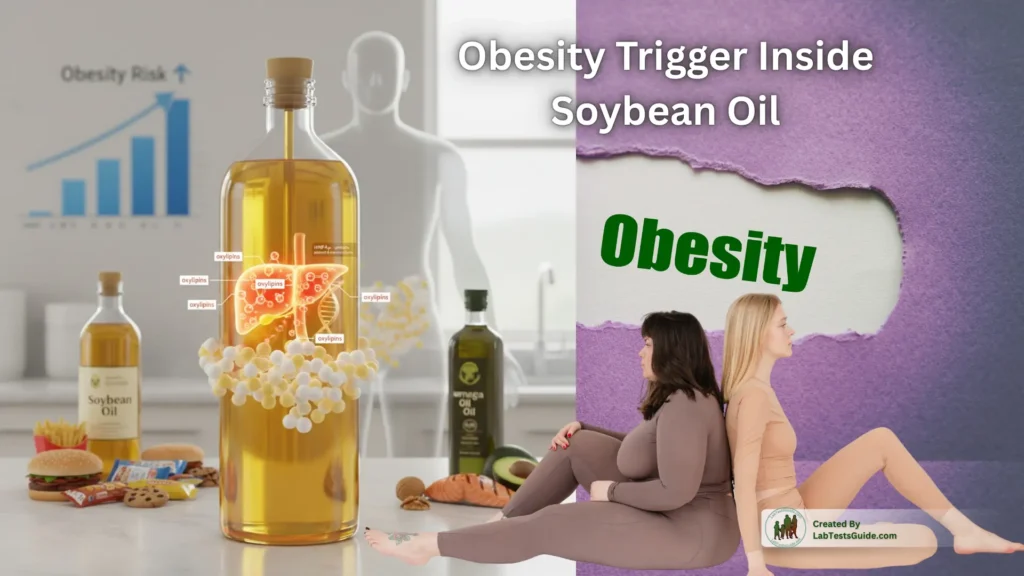
A new UC Riverside study links soybean oil consumption to obesity via liver-produced oxylipins that alter fat metabolism offering a possible explanation for why some people gain weight more easily on the same diet.
Soybean oil innocent cooking staple or hidden metabolic risk?
A newly published study from UCR found that mice fed a high-fat diet rich in soybean oil gained substantial weight while a group of genetically altered mice, on exactly the same diet, remained lean. The difference? The engineered mice produced a modified form of a liver protein, which reduced the formation of fat-derived molecules known as oxylipins.
The study, published in the Journal of Lipid Research, suggests that it’s not the oil itself or even its main fatty acid, Linoleic acid but what this fat becomes inside the body that may trigger weight gain.
What are oxylipins and why do they matter?
When linoleic acid (and related fatty acids such as alpha-linolenic acid) from seed oils enters the body, it can be converted into oxylipins, a class of bioactive molecules. In this UCR study, excessive linoleic acid intake led to elevated oxylipin levels in the liver, which were associated with fat accumulation, altered liver metabolism, and impaired mitochondrial function all hallmarks linked to obesity.
Meanwhile, the genetically engineered mice produced far fewer oxylipins, had better mitochondrial function, and maintained healthier liver tissue despite consuming the same amount of soybean oil.
Interestingly, it wasn’t oxylipins circulating in the blood that correlated with weight gain but oxylipins inside the liver itself. This suggests that traditional blood-based metabolic tests may not detect early diet-driven changes.
Genetics, diet, and individual variation why some people may be more affected
The key to this difference lies in a liver protein called HNF4α. Humans naturally produce both versions of this protein, but the “alternate” form is typically only produced under certain conditions such as metabolic stress, chronic illness, fasting, or fatty-liver disease.
According to the researchers, factors like age, sex, genetics, medications, and overall metabolic health may influence which form of HNF4α is present and consequently, how an individual’s body responds to high-linoleic acid diets. This variation may help explain why some individuals gain weight more easily than others even when consuming similar diets.
Broader implications seed oils, modern diets, and public-health concerns
The UCR team also pointed out that consumption of soybean oil has increased dramatically over the past century. What once supplied roughly 2% of total calories in diets is now close to 10%.
Though soybean oil contains no cholesterol, its high content of linoleic acid when consumed in excess may contribute to metabolic dysfunction. The researchers are now investigating whether similar oxylipin-driven pathways may occur with other commonly used high-linoleic oils such as corn, sunflower, and safflower oil.
The authors caution that the findings should not demonize individual oils per se but emphasize that the quantities and context of consumption matter. “Soybean oil isn’t inherently evil,” said lead researcher Frances Sladek yet modern consumption patterns may trigger metabolic pathways our bodies did not evolve to handle.
- While the study was conducted in mice, its findings raise important questions about whether overconsumption of high-linoleic oils could contribute to obesity in humans especially when combined with genetic predispositions and overall diet.
- It may be wise to limit high-oil, high-processed-food consumption, and to diversify fat sources for instance, favoring oils lower in linoleic acid or with different fatty-acid profiles (such as olive oil or oils rich in omega-3s).
- Because oxylipin levels tied to fat gain appear in the liver rather than blood, standard metabolic tests may miss early risk reinforcing that prevention via diet and lifestyle remains key.
References
- Scientists find a hidden obesity trigger in soybean oil – Science Daily – (Accessed on Dec 1, 2025)
- Soybean Oil’s Hidden Obesity Trigger: New Evidence – The Aartery Chronicles – (Accessed on Dec 1, 2025)
- Study links America’s favorite cooking oil to obesity – UCR – (Accessed on Dec 1, 2025)
- Study Links Obesity to Popular Cooking Oil – News Week – (Accessed on Dec 1, 2025
