

Sleep insomnia responds best to a combination of evening routine changes, environment optimization, and targeted supplements like magnesium glycinate. Start with a 90-minute screen curfew, lower your room temperature to 65-68°F, and take calming supplements 30-60 minutes before bed.
You know the feeling. It’s 2:17 AM, and you’re staring at the ceiling again. Your body is exhausted, but your mind won’t stop racing through tomorrow’s to-do list, last week’s awkward conversation, or absolutely nothing useful at all. Sleep insomnia is that frustrating gap between wanting rest and actually getting it. The good news? You don’t need a prescription or a complete life overhaul to start sleeping better. Most people can dramatically improve their sleep by making a few targeted changes to their evening routine, bedroom environment, and supplement choices.
This guide walks you through seven practical steps to tackle sleep insomnia tonight. Each step includes specific timings, dosages, and actions you can implement immediately.
How to Fix Insomnia: Understanding What’s Actually Happening
Before jumping into solutions, it helps to understand what happens when you can’t sleep. Insomnia ↗ isn’t just annoying. It disrupts your body’s natural repair processes, affects mood regulation, and can worsen over time if left unaddressed.
When you learn how to fix insomnia, you’re essentially retraining your brain and body to follow their natural sleep signals. Your circadian rhythm ↗ is the internal clock that tells your body when to feel sleepy and when to feel alert. For many people with sleep insomnia, this clock has drifted out of sync due to stress, screen time, irregular schedules, or all three.
Here’s the thing: how to fix insomnia isn’t about forcing sleep. It’s about removing the barriers that prevent it. Your body already knows how to sleep. It just needs the right conditions.
What Keeps Most People Awake
- Racing thoughts triggered by unprocessed stress or anxiety
- Elevated cortisol levels from late-day caffeine or evening stress
- Blue light exposure that suppresses melatonin ↗ production
- Inconsistent sleep timing that confuses your circadian rhythm
- Physical discomfort from poor sleep environment or nutrient deficiencies
Identify which of these five barriers affects you most. The steps below address each one specifically.
Insomnia Remedies: Building Your Evening Wind-Down Routine
Effective insomnia remedies don’t start at bedtime. They begin 2-3 hours before you want to fall asleep. Think of your evening routine as a gradual dimmer switch, slowly signaling to your brain that sleep is coming.
The most reliable insomnia remedies combine environmental changes, behavioral habits, and targeted nutrition. None of these work as well in isolation as they do together. That’s why a bedtime routine for restorative sleep matters so much.
Step 1: Set Your Technology Curfew (90 Minutes Before Bed)
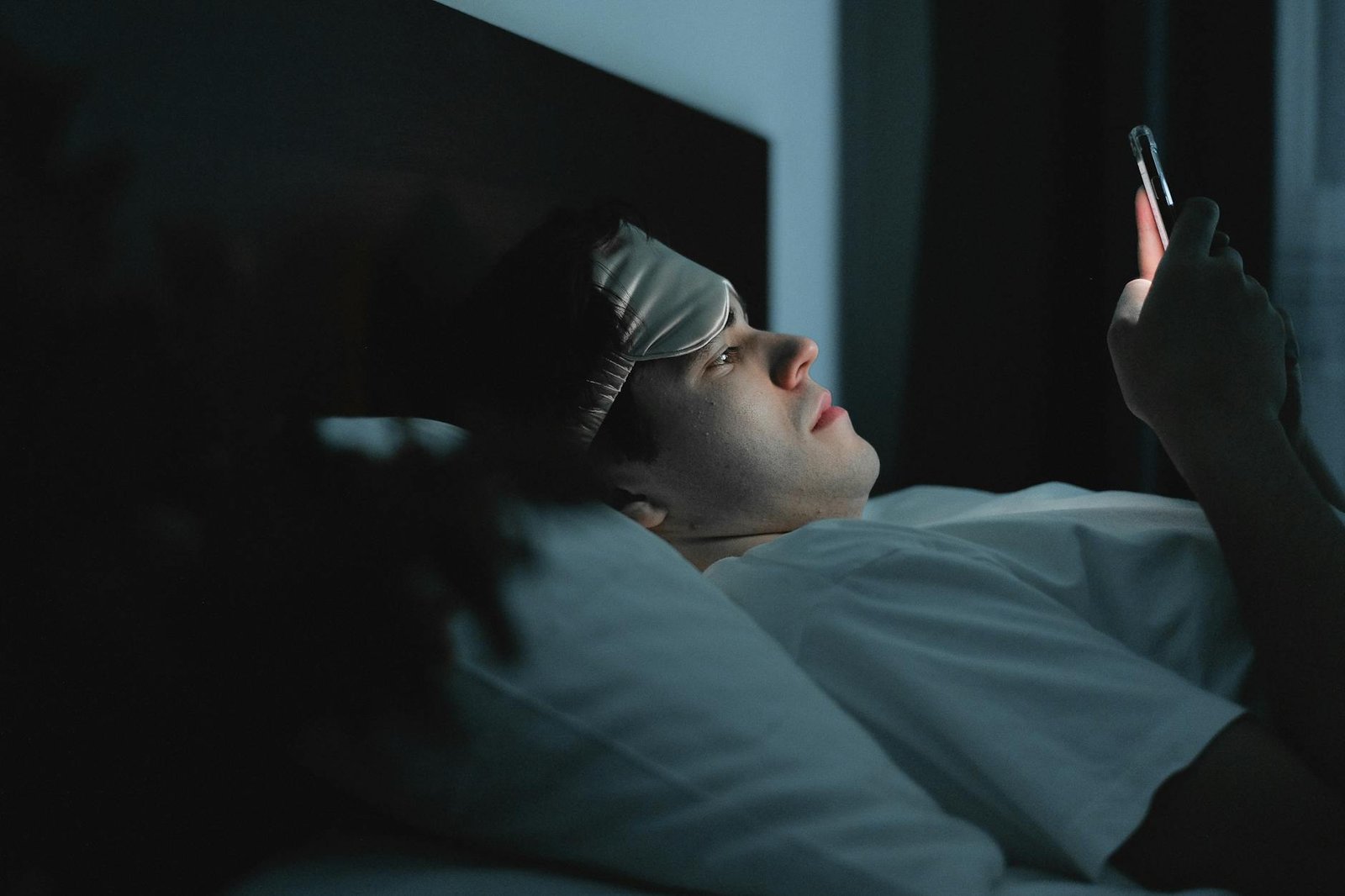
Put your phone in another room 90 minutes before your target sleep time. Not on the nightstand. Not face-down beside you. In another room entirely.
Blue light from screens suppresses melatonin production by up to 50%, according to sleep research ↗. But the bigger issue isn’t just the light. It’s the mental stimulation. Every notification, every scroll through social media, keeps your prefrontal cortex ↗ engaged when it should be powering down.
- Set a phone alarm for 90 minutes before bedtime as your “screens off” reminder
- Switch to paper books, journaling, or conversation
- If you must use a device, enable night mode and keep brightness below 30%
Step 2: Lower Your Room Temperature (60 Minutes Before Bed)
Your body temperature naturally drops 1-2 degrees as part of falling asleep. You can help this process by setting your thermostat to 65-68°F (18-20°C) about an hour before bed.
If you don’t control your own thermostat, a warm shower 60-90 minutes before bed creates the same effect. The warm water brings blood to your skin’s surface. When you step out, that blood cools rapidly, triggering the temperature drop that signals sleep onset.
Tonight, lower your room temperature or take a warm shower 60-90 minutes before your target bedtime.
Why Natural Sleep Aid for Insomnia Options Work Better Long-Term
You might be tempted to reach for over-the-counter sleep medications. They work fast, but they come with tradeoffs. Most OTC sleep aids use diphenhydramine ↗, which can cause next-day grogginess, tolerance buildup, and isn’t recommended for long-term use.
A natural sleep aid for insomnia works differently. Instead of knocking you out, these ingredients support the biochemical processes your body already uses to fall asleep. They work with your system rather than overriding it.
Step 3: Take Your Supplements at the Right Time (30-60 Minutes Before Bed)
Timing matters more than most people realize. Here are the most effective natural sleep aid for insomnia options and when to take them:
Magnesium glycinate (200-400 mg, 30-60 minutes before bed)
This form of magnesium binds to glycine, an amino acid that has its own calming effects. Magnesium glycinate for sleep works by activating GABA receptors ↗, the same neurotransmitter system that anti-anxiety medications target. Take it with a small amount of food to improve absorption.
L-theanine ↗ (100-200 mg, 30-60 minutes before bed)
Found naturally in green tea, L-theanine promotes alpha brain wave activity. This is the relaxed-but-alert state you experience during meditation. It helps quiet racing thoughts without causing sedation.
Apigenin ↗ (50 mg, 30 minutes before bed)
This compound from chamomile binds to benzodiazepine receptors in the brain, producing mild relaxation. It’s one reason chamomile tea has been used for centuries as a sleep aid.
RestEase combines these ingredients in researched dosages, making it simpler than buying multiple separate supplements. The powder format also means faster absorption than capsules.
Choose one or two of these supplements and take them consistently 30-60 minutes before your target bedtime for at least two weeks before judging effectiveness.
Creating Your Optimal Sleep Environment
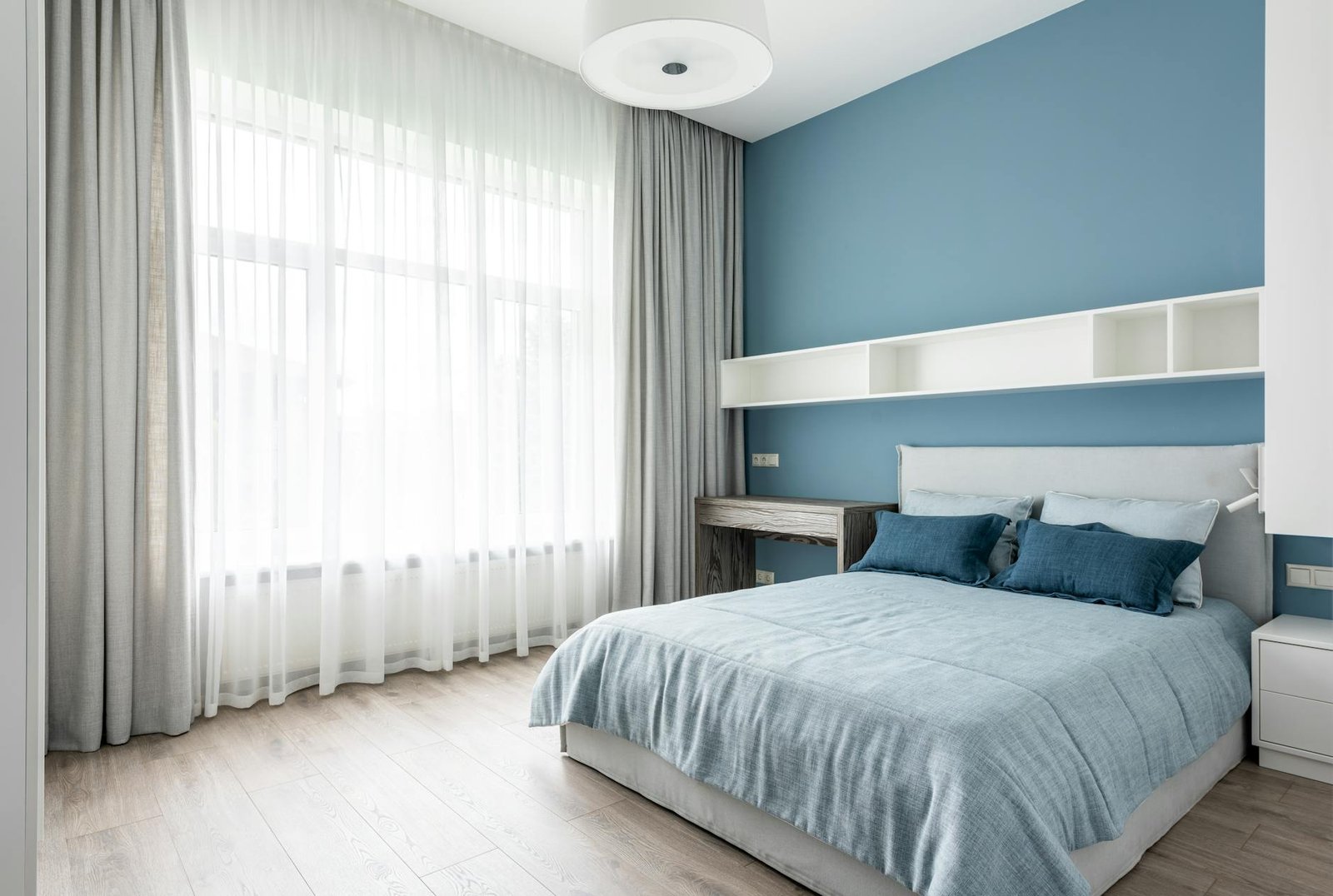
Your bedroom should serve one purpose: sleep. When you work, watch TV, or scroll through your phone in bed, your brain starts associating that space with wakefulness. Breaking this association is one of the most powerful insomnia remedies available.
Step 4: Optimize Your Light Environment
Light is the strongest signal for your circadian rhythm. Even small amounts of light at night can interfere with sleep architecture ↗.
- Use blackout curtains or a quality sleep mask to block all light sources
- Cover any LED indicators on devices with black electrical tape
- If you need a nightlight for safety, use one with red or amber light, never white or blue
The RestEase sleep mask uses a contoured design that blocks light without putting pressure on your eyes, which matters if you’re a side sleeper.
Step 5: Address Noise Disruptions
Complete silence isn’t necessary. In fact, consistent background noise often helps. The problem is sudden noise changes that startle your brain out of sleep cycles.
- Use a white noise machine or fan set to a consistent volume
- Consider earplugs rated at 25-30 decibels for blocking partner snoring or street noise
- If you use a phone app for white noise, enable airplane mode to prevent notification sounds
How to Manage Evening Stress and Racing Thoughts
For many people with sleep insomnia, the body is ready for sleep long before the mind cooperates. Addressing mental chatter requires specific techniques beyond just “relaxing.”
Step 6: Do a Brain Dump (2 Hours Before Bed)
Racing thoughts at bedtime often come from unprocessed concerns and unfinished mental tasks. Your brain keeps cycling through them because it’s worried about forgetting something important.
Spend 10-15 minutes writing down everything on your mind. Not a polished journal entry. Just a raw list of thoughts, worries, to-dos, and random observations. This process, sometimes called “constructive worry,” tells your brain it’s safe to let go of those thoughts because they’re captured somewhere external.
- Write on paper, not a device
- Don’t organize or prioritize during this session
- Include both practical tasks and emotional concerns
- Close the notebook when done as a physical signal of completion
Step 7: Practice 4-7-8 Breathing (In Bed)
Once you’re in bed, use this breathing pattern to activate your parasympathetic nervous system ↗, which triggers the “rest and digest” state opposite to stress.
- Inhale quietly through your nose for 4 seconds
- Hold your breath for 7 seconds
- Exhale completely through your mouth for 8 seconds
- Repeat 4 cycles
This technique works because the extended exhale stimulates the vagus nerve, which directly lowers heart rate and cortisol ↗ levels. Many people fall asleep before completing all four cycles.
Tonight, practice 4-7-8 breathing for at least 3 cycles after getting into bed.
What to Expect: Your Sleep Insomnia Timeline
Changing sleep patterns takes time. Your circadian rhythm doesn’t reset overnight. Here’s a realistic timeline for what to expect:
Week 1: Adjustment Period
You may actually feel more tired initially. This is normal. Your body is recalibrating, and you’re likely catching up on sleep debt ↗ you didn’t know you had. Stick with your new routine even if the first few nights feel rough.
- Maintain consistent wake time even on weekends
- Avoid napping longer than 20 minutes
- Take supplements at the same time each night
Weeks 2-3: Early Improvements
Most people notice falling asleep faster before they notice sleeping deeper. You might cut your sleep onset latency ↗ from 45 minutes to 20 minutes during this phase.
Weeks 4-6: Consolidation
By week four, the improvements should feel more stable. You’ll wake up less during the night, and morning grogginess typically decreases. This is when a natural sleep aid for insomnia shows its full benefit, as your body has adapted to the support rather than depending on it.
When to Seek Professional Help
These steps work for most people with mild to moderate sleep insomnia. However, some situations require professional evaluation:
- Sleep problems lasting more than three months despite consistent lifestyle changes
- Loud snoring with gasping or choking (possible sleep apnea ↗)
- Restless leg sensations that prevent falling asleep
- Daytime sleepiness severe enough to affect driving or work safety
- Sleep insomnia accompanied by symptoms of depression ↗ or anxiety
A sleep specialist can rule out underlying conditions and may recommend cognitive behavioral therapy for insomnia ↗ (CBT-I), which has stronger long-term results than any medication.
Frequently Asked Questions
What is the best supplement for insomnia if I want to avoid melatonin?
Magnesium glycinate is often the best supplement for insomnia for people avoiding melatonin. It supports sleep without directly manipulating melatonin levels, which means no next-day grogginess and no interference with your body’s natural melatonin production. RestEase was designed specifically as a melatonin-free option. You might also read about why some people prefer alternatives in this article on melatonin and headaches.
How long does it take for a natural sleep aid to start working?
Most people notice initial effects within 30-60 minutes of taking calming supplements like magnesium or L-theanine. However, the full benefits build over 2-4 weeks of consistent use. Unlike sedatives that force sleep immediately, natural options work by supporting your body’s sleep systems, which takes time to optimize.
Can I take sleep supplements every night?
Yes, for most natural ingredients. Magnesium glycinate, L-theanine, and apigenin are generally safe for nightly use because they support rather than override your sleep systems. They don’t cause the tolerance or dependence associated with prescription sleep medications. That said, consulting your healthcare provider before starting any supplement routine is always wise.
What’s the best supplement for insomnia caused by anxiety?
For anxiety-driven insomnia, the best supplement for insomnia often combines magnesium glycinate with L-theanine. Magnesium helps reduce physical tension and supports GABA function, while L-theanine promotes calm alpha brain waves without sedation. This guide on magnesium glycinate for anxiety explains the science in more detail.
Should I take magnesium on an empty stomach or with food?
Take magnesium glycinate with a small amount of food for better absorption and to avoid any potential stomach upset. A light snack like a banana or a few crackers works well. Learn more about optimal timing in this magnesium glycinate dosage and timing guide.
The Bottom Line
Sleep insomnia responds best to a systematic approach rather than a single miracle fix. The seven steps outlined here work together to address the most common barriers to restful sleep: stress, poor timing, screen exposure, and missing nutritional support.
Start with the steps that feel most doable tonight. Set a technology curfew, lower your room temperature, and try the 4-7-8 breathing technique. Then build from there by adding targeted supplements and refining your environment over the coming weeks.
The best supplement for insomnia is one that fits into a broader sleep routine rather than replacing it. RestEase was formulated with exactly this approach in mind, combining research-backed ingredients like magnesium glycinate, L-theanine, and apigenin to support each phase of falling and staying asleep. Better sleep is closer than you think. Pick one step from this guide and try it tonight.